Applicazione: Production

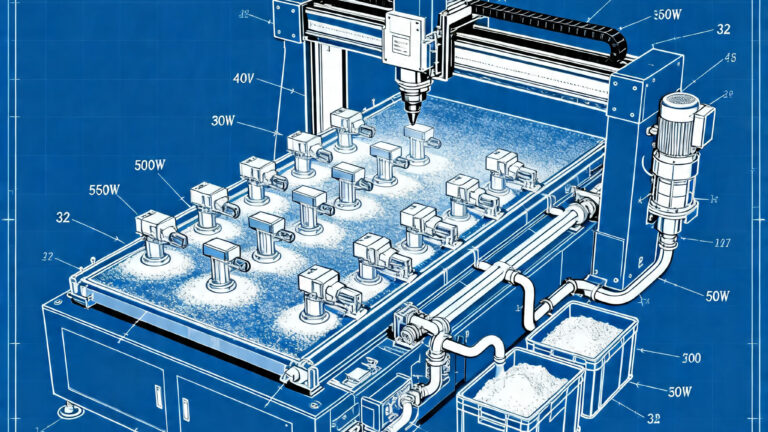
32 laser, 500W each: where does it break?

32 laser, 500W each: where does it break?

Multi-laser systems with 32 units of 500W each represent the state of the art in metal 3D printing, offering build volumes of up to 3862 liters. While increasing productivity and automation, these plants present thermal limits, powder management issues, and geometric constraints that affect actual production feasibility. Integration with MES and automated systems enables scalability

Two nozzles, a real advantage? Here's how the Bambu X2D works

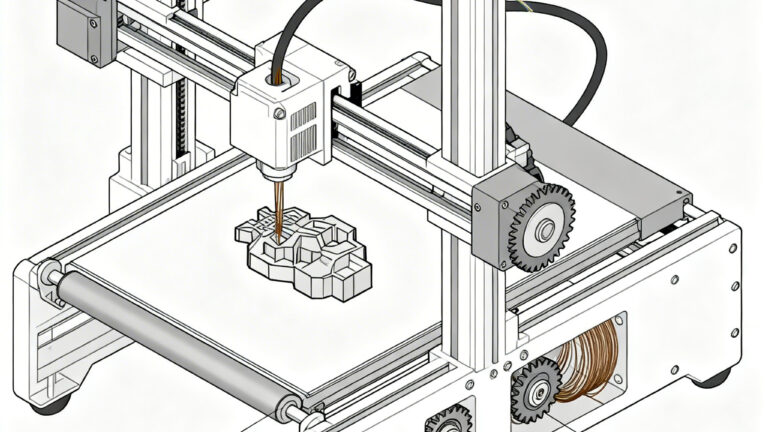
Two nozzles, a real advantage? Here's how the Bambu X2D works

The Bambu Lab X2D introduces a dual nozzle system with mechanical switching to improve precision and support removal. One nozzle prints the model, the other handles supports with dedicated material, reducing post-processing and waste. The absence of additional motors on the head increases reliability and precision, with over a million change cycles tested. Main Extruder

Metrology in 3D Scanning: How Integrated Processing Works and Its Industrial Applications

Metrology in 3D Scanning: How Integrated Processing Works and Its Industrial Applications

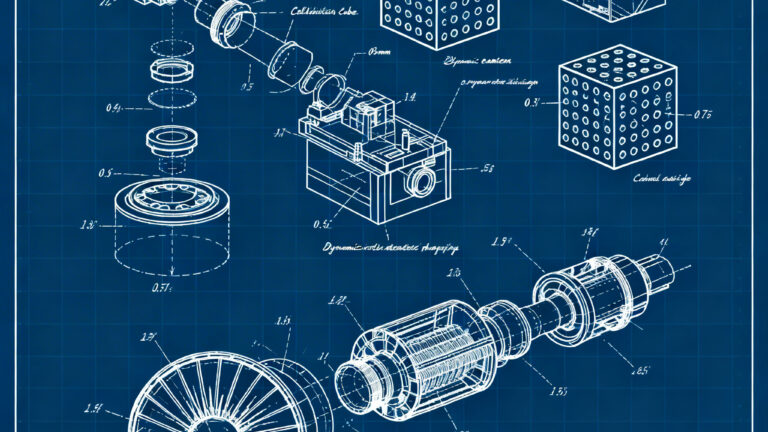
Integrated metrology in 3D scanners enables real-time quality control, reducing time and costs. Thanks to advanced sensors, geometric algorithms, and connectivity, these systems process dimensional data directly during scanning, integrating with metrology platforms and production processes. Despite some technological limitations, they represent a breakthrough for high-

Polyamide for 3D printing: why traditional PA is no longer enough (and what to use today)

Polyamide for 3D printing: why traditional PA is no longer enough (and what to use today)

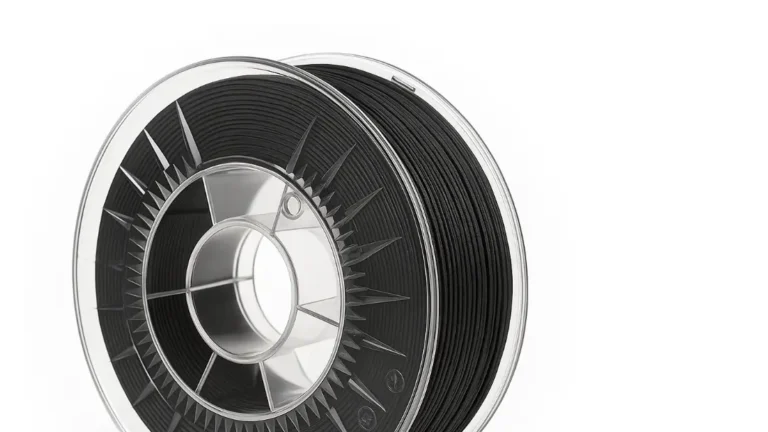
Technical polyamides offer excellent performance, but their printing complexity often makes them impractical. SP4 CF15 from 3DBooster was created to solve this paradox: 8.5 GPa rigidity, thermal resistance up to 180°C, and open-air printability without advanced setups.

3D Micropile for Immunotherapy? Here's How It Works

3D Micropile for Immunotherapy? Here's How It Works

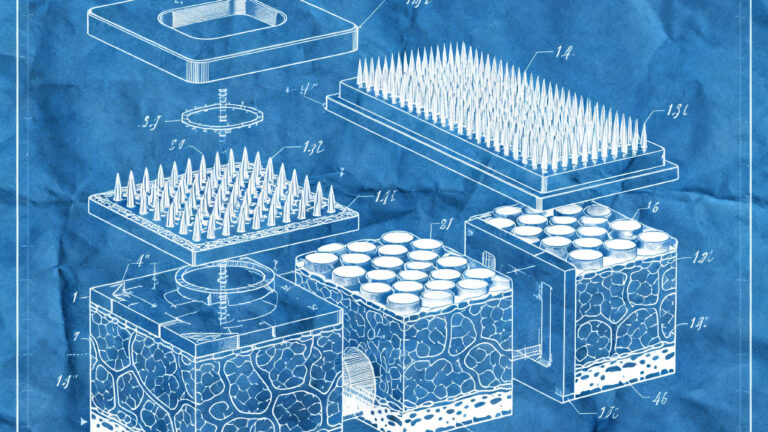
3D microneedles based on polysaccharides represent a new frontier for cancer immunotherapy. These biodegradable structures penetrate the skin to release drugs directly into the tumor microenvironment, reducing side effects and increasing therapeutic efficacy. Thanks to 3D printing, it is possible to customize their shape and composition for targeted and controlled release. I

Can AM revolutionize the transport of nuclear fuel?

Can AM revolutionize the transport of nuclear fuel?

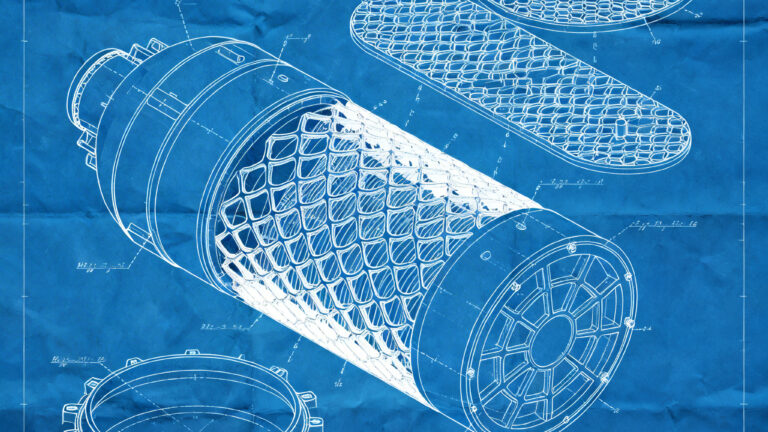
Additive manufacturing could revolutionize the transport of spent nuclear fuel, reducing costs and production times for critical components such as impact limiters. Technologies like FFF and PBF allow for complex geometries and savings of up to $1.7 million per cask. Studies by Orano and UNC Charlotte confirm technical feasibility, but specific regulatory standards are still lacking.

High-temperature ceramics: which AM process to choose?

High-temperature ceramics: which AM process to choose?

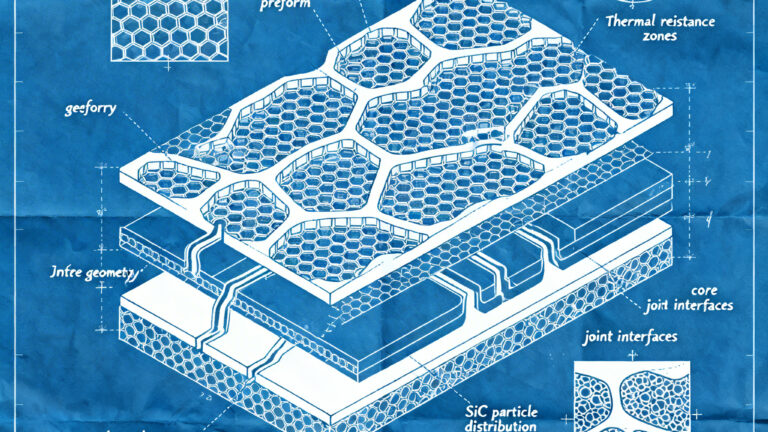
Additive manufacturing of high-temperature resistant ceramics requires careful selection of the process: melt-infiltration, CVI, or PIP, each with advantages and limitations in terms of cost, speed, and complexity. Cellular structures reduce weight and material but can compromise structural integrity. Advanced materials such as SiC and multi-oxide composites offer high performance but at

Transparent and Special: How Do They Really Work?

Transparent and Special: How Do They Really Work?

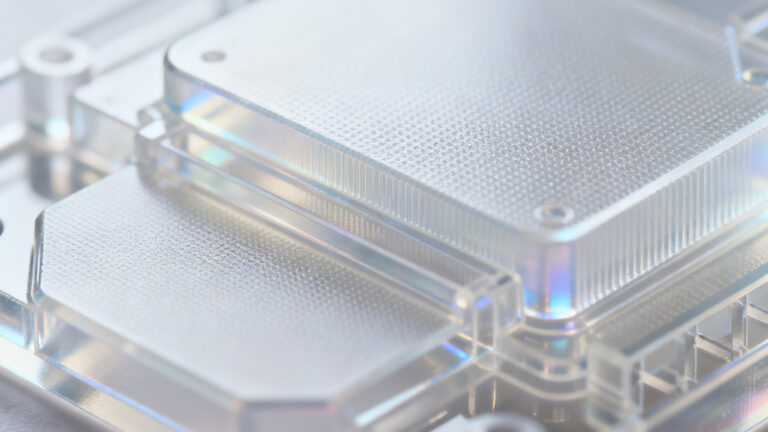
Transparent and special photopolymers are revolutionizing industrial 3D printing thanks to light transmittance greater than 90%, biocompatibility, and micrometric precision. Used in sectors such as medical, microfluidics, and jewelry, these materials offer advanced optical and mechanical properties but require specific knowledge for effective use.

Who wins in 2026 among FDM toolchangers?

Who wins in 2026 among FDM toolchangers?

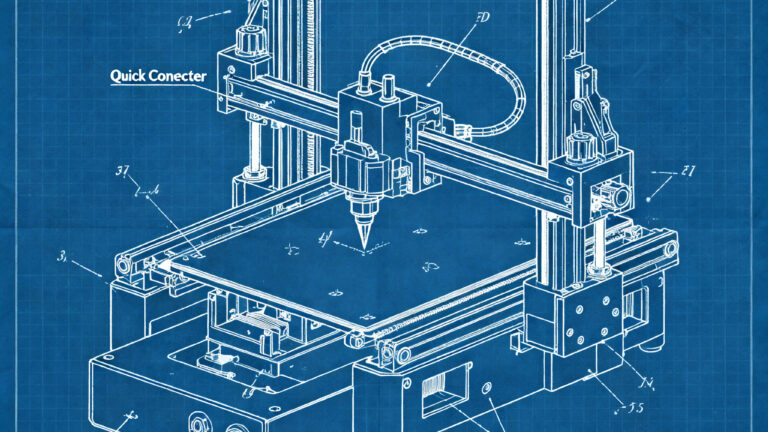
In 2026, the FDM toolchanger market has consolidated: here is the solution that stands out for performance, reliability, and software integration. The best choice depends on the specific workload.

FullSpectrum and Toolchanger: How Advanced Color 3D Printing Really Works

FullSpectrum and Toolchanger: How Advanced Color 3D Printing Really Works

Advanced color 3D printing is evolving with FullSpectrum and intelligent toolchangers, combining optical mixing and rapid tool changing to achieve realistic gradients and shades, reducing waste and downtime. Technologies like Snapmaker Orca Full Spectrum and multi-nozzle toolchangers open new possibilities for aesthetic prototyping and multicolor design, maintaining high productivity.

Fixing on the fly: how patents promise to revolutionize 3D printing

Fixing on the fly: how patents promise to revolutionize 3D printing

New real-time quality control systems promise to revolutionize 3D printing, correcting errors during the production process. Optical and thermal sensors monitor calibration elements printed together with the component, enabling immediate corrections to parameters. This reduces waste and improves precision, especially for complex geometries such as aerospace ones. The patent

How Lightweight Reticulated and Foamed Structures Work: A Technical Overview of Advanced Composite Materials

How Lightweight Reticulated and Foamed Structures Work: A Technical Overview of Advanced Composite Materials

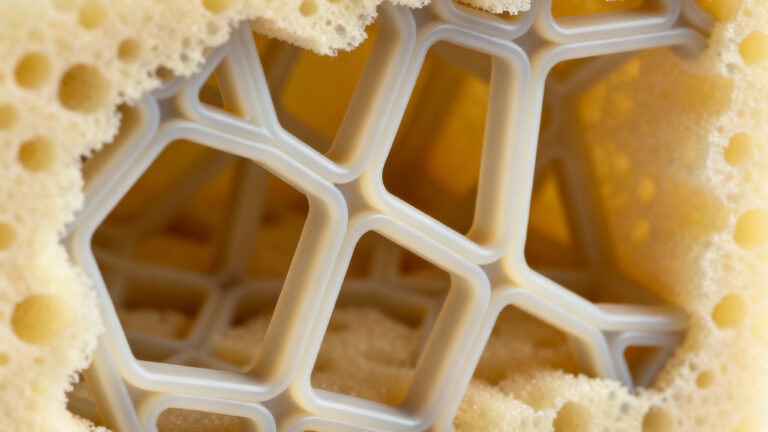
New IFAM technique combines foam and 3D structures for lightweight, high-performance, low-cost composites, with energy absorption up to 10x higher.

/