Settore Industriale: Medical

Metamaterials in Nitinol for Medical Applications and Actuators: How Geometric Design Restores Superelasticity

Metamaterials in Nitinol for Medical Applications and Actuators: How Geometric Design Restores Superelasticity

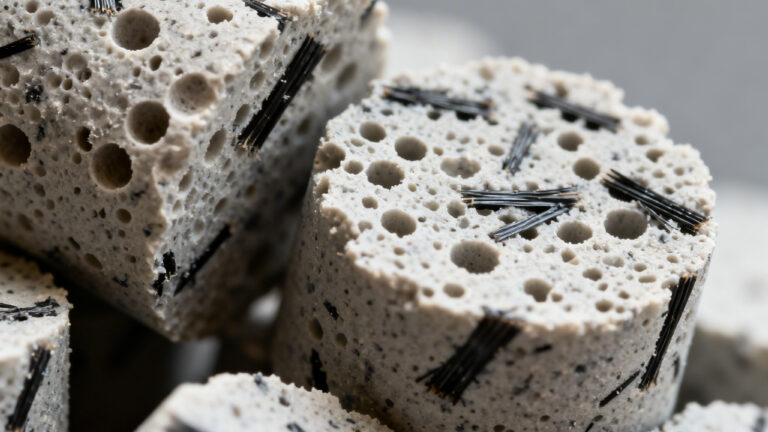
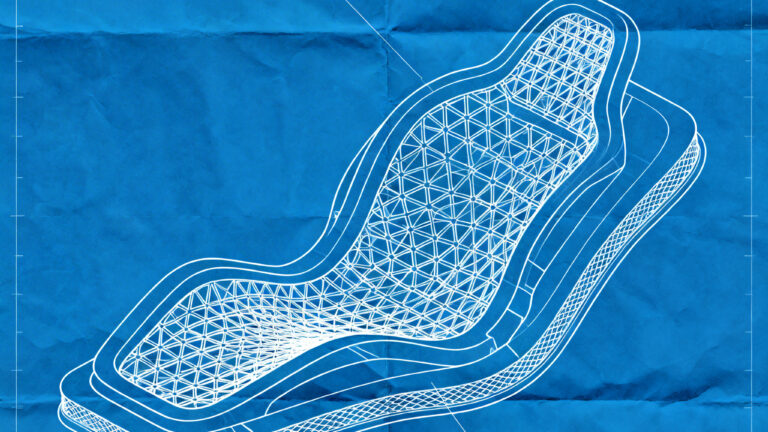
Researchers from IMDEA Materials Institute and UPM have developed metamaterials in 3D printed Nitinol with interwoven structures that restore superelasticity, overcoming the limits of traditional 3D printing. Thanks to geometries inspired by fabrics, it is possible to obtain advanced biomedical devices and smart actuators, opening new perspectives for clinical and engineering applications

Post-Processing and Debinding: How Key Additive Manufacturing Technologies Work

Post-Processing and Debinding: How Key Additive Manufacturing Technologies Work

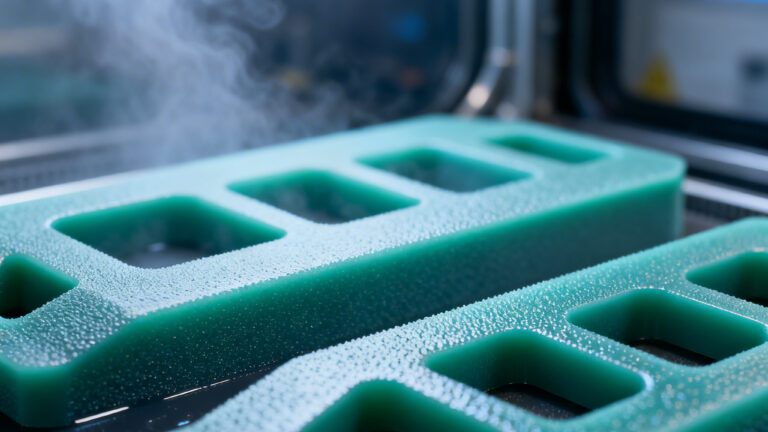
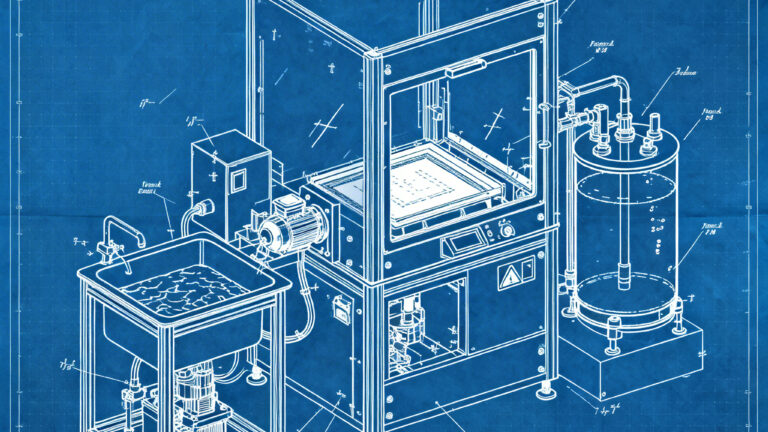
Post-processing and debinding are crucial stages in additive manufacturing that determine the quality, strength, and finish of components. Technologies such as vapor smoothing and chemical debinding improve surface and structural properties, making parts ready for industrial use.

How 3D Anatomical Models Work in Surgical Planning for Medical Education

How 3D Anatomical Models Work in Surgical Planning for Medical Education

Surgical planning with 3D anatomical models is revolutionizing medical education, offering realistic and personalized simulations for surgeon training. Thanks to multi-layer printing technology and radiological data, it is possible to faithfully recreate human tissues, allowing for simulated interventions without risk to patients. Models, used in university and cli

New Era for Formlabs: Leadership Change with Entry of Rob Willett

New Era for Formlabs: Leadership Change with Entry of Rob Willett

Formlabs announces a leadership change with Rob Willett joining the board, while Carl Bass leaves after eight years. Willett, former CEO of Cognex, brings expertise in automation and machine vision, marking a strategic shift for the company aiming to expand its influence in professional additive manufacturing and prepare for a potential IPO.

Real-Time Intelligent Control: How AI Optimizes Industrial 3D Printing

Real-Time Intelligent Control: How AI Optimizes Industrial 3D Printing

Artificial intelligence is revolutionizing industrial 3D printing, enabling real-time controls, automatic corrections, and waste reduction. Through advanced sensing and predictive models, AI systems monitor and optimize parameters such as temperature and speed, improving production quality, efficiency, and reliability.

Implementing Software Workflow Automation in Industrial 3D Printing: A Practical Guide to Critical Prerequisites

Implementing Software Workflow Automation in Industrial 3D Printing: A Practical Guide to Critical Prerequisites

Workflow automation in industrial 3D printing requires governance, standardized models, and clear control criteria. Only with these foundations can automation reduce times and costs, improving quality and repeatability.

Why the Industry is Finally Adopting Large-Scale 3D Printing

Why the Industry is Finally Adopting Large-Scale 3D Printing

In 2025-26, 3D printing moves beyond experimentation: aerospace, medical, automotive, and defense integrate it into main lines, driven by investments, geopolitics, and reliable standards. Market from 40 to 250 billion by 2035: those who train and scale now will lead the manufacturing of the future.

3D Scanning: How the Technology that Transforms Reality into Digital Actually Works

3D Scanning: How the Technology that Transforms Reality into Digital Actually Works

3D scanning transforms real objects into editable and printable digital models, accelerating reverse engineering and production with precision up to 50 µm.

How 3D Printing Transforms Product Innovation: Speed, Materials, and Digital Collaboration

How 3D Printing Transforms Product Innovation: Speed, Materials, and Digital Collaboration

How 3D Printing Transforms Product Innovation: Speed, Materials, and Digital Collaboration 3D printing is not just an emerging technology: it is a tool that is redefining the early stages of innovation in...

Liver Bioprinting: A Decisive Step Towards Temporary Liver Regeneration

Liver Bioprinting: A Decisive Step Towards Temporary Liver Regeneration

Carnegie Mellon leads the $28.5 million LIVE project to print temporary liver tissue: a “biological bridge” that supports the liver in regeneration, avoids transplantation, and reduces waiting lists within 5 years.

Intelligent Thermal Management in 3D Printing: How Heat Control Improves Reliability and Productivity

Intelligent Thermal Management in 3D Printing: How Heat Control Improves Reliability and Productivity

Intelligent thermal control in 3D printing: adaptive pauses and real-time sensors reduce defects by up to 47%, cutting waste and time even in aerospace and medical fields.

Metal and Ceramic Additive Manufacturing: Innovations Transforming Industrial Production

Metal and Ceramic Additive Manufacturing: Innovations Transforming Industrial Production

In 2025, additive manufacturing of metals and ceramics enters industrial production: DED heads without chamber, LFAM for large structures, 3D ceramics for medtech and semiconductors.

/