Category: Innovations

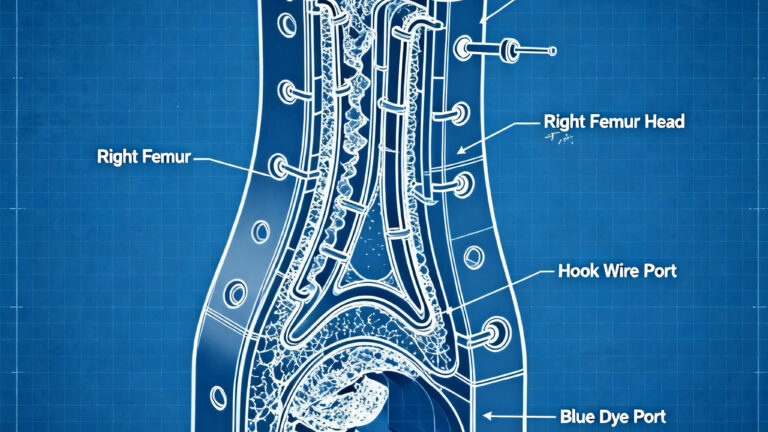
How a Custom 3D Surgical Guide Works for Tumor Localization

How a Custom 3D Surgical Guide Works for Tumor Localization

The Breast Cancer Locator by Cairn Surgical is a customized 3D guide obtained from magnetic resonance imaging to precisely locate breast tumors during lumpectomies. Created using 3D printing with biocompatible materials, it improves surgical margins, reduces reoperations, and offers millimetric positioning of the guide wire and dye. The device, created based on the anatomy
PreFlight and the Architecture of the Future: A New Approach to Slicing for FFF/FDM

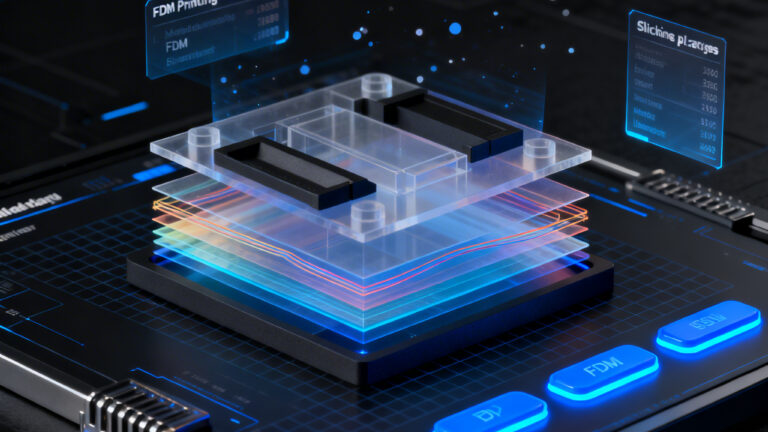
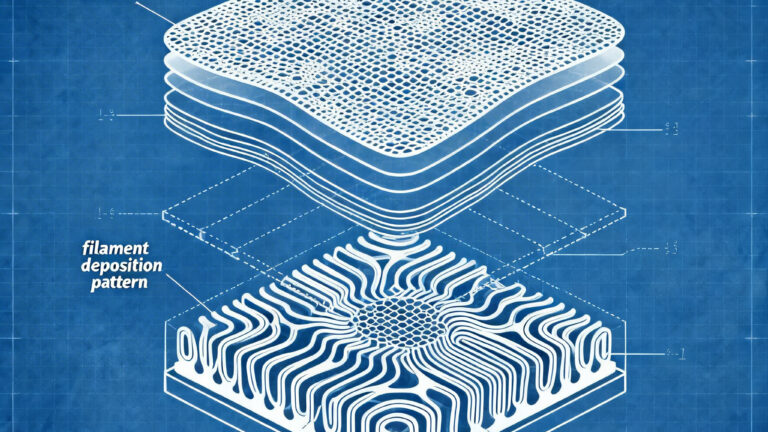
PreFlight and the Architecture of the Future: A New Approach to Slicing for FFF/FDM

PreFlight is a new open-source slicer for FFF/FDM developed by oozeBot, designed to overcome the architectural limitations of traditional software. With a native 64-bit architecture and modern stack (C++20, OpenCASCADE, CGAL), it aims to ensure greater reliability, precision, and scalability in professional slicing. It introduces advanced features such as Athena Perimeter Generator and Interlocking Per

Medical Bioprinting with Chitosan: Design and Implementation of Personalized Therapies for Chronic Ulcers

Medical Bioprinting with Chitosan: Design and Implementation of Personalized Therapies for Chronic Ulcers

Chitosan bioprinting allows the creation of customized patches for chronic ulcers, combining mechanical barrier, antibacterial release, and support for tissue regeneration. Studies from the University of Mississippi show promising results in accelerating healing and reducing infections, thanks to the biocompatible and multifunctional properties of chitosan. The technol

How to Transform Lunar Regolith into Printable Electronic Components

How to Transform Lunar Regolith into Printable Electronic Components

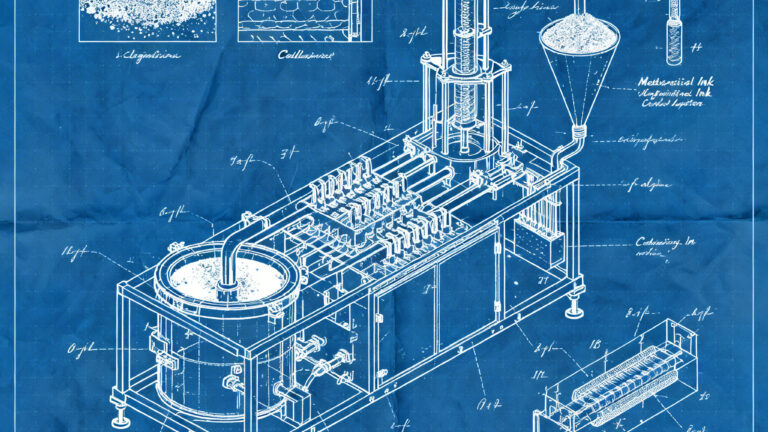
An ESA project is studying how to transform lunar regolith into conductive materials to print electronic components in space, reducing dependence on Earth-based supplies.

How 3D printing is revolutionizing fashionwearable: the AMISS case

How 3D printing is revolutionizing fashionwearable: the AMISS case

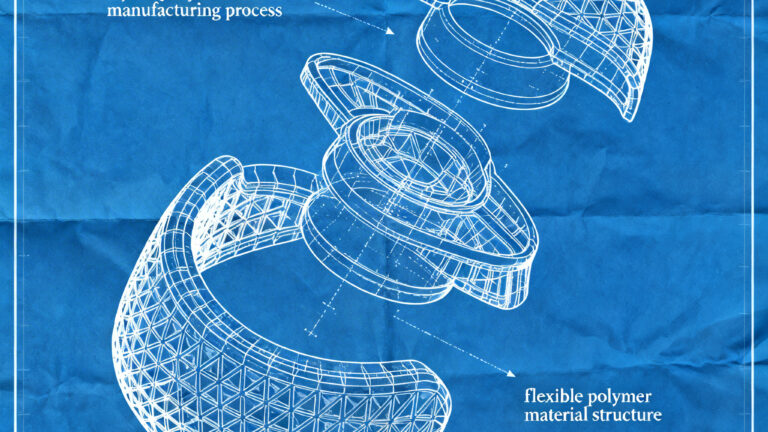
3D printing is revolutionizing wearable fashion, as demonstrated by the case of AMISS, an Australian brand that has integrated this technology into its creative workflow. By collaborating with Creality, AMISS has drastically reduced production times and costs, eliminating outsourcing and accelerating the creative cycle. Through a complete digital process, from design to final printing, the brand has

Medical Implants and Metal Sensitivity: Balancing Biocompatibility, Durability and Costs

Medical Implants and Metal Sensitivity: Balancing Biocompatibility, Durability and Costs

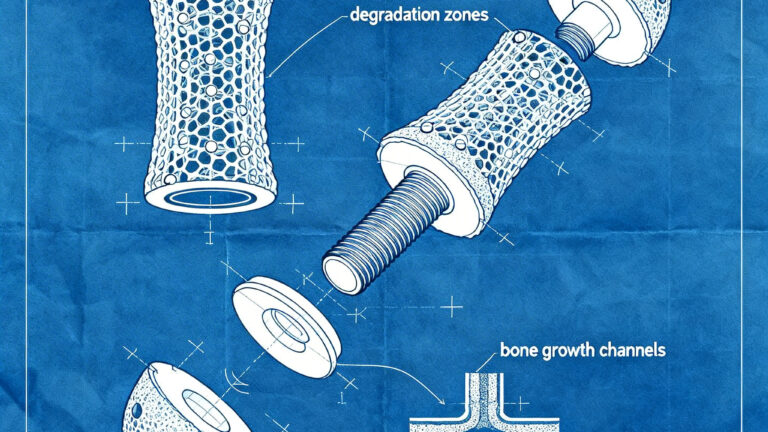
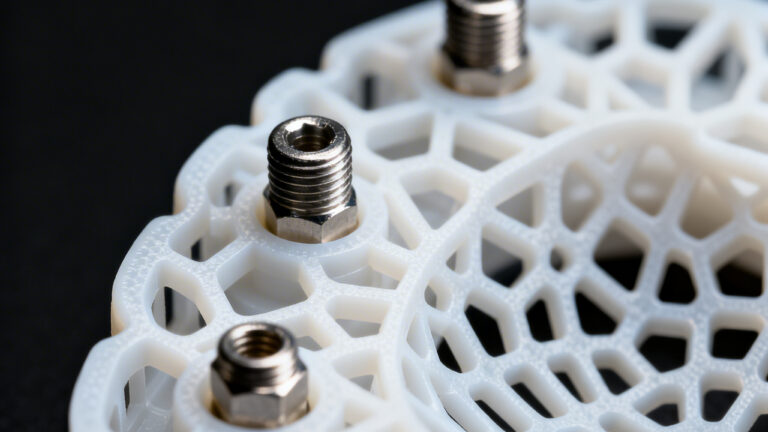
The choice of materials for medical implants requires a balance between biocompatibility, durability and costs. Titanium, PEEK and bioresorbable materials such as magnesium offer different solutions with specific advantages. Innovations such as TPMS structures and AI improve bone integration and reduce operating times. Customization enables better results, albeit with higher initial costs

Smart heat exchangers: thermal efficiency comes from patents

Smart heat exchangers: thermal efficiency comes from patents

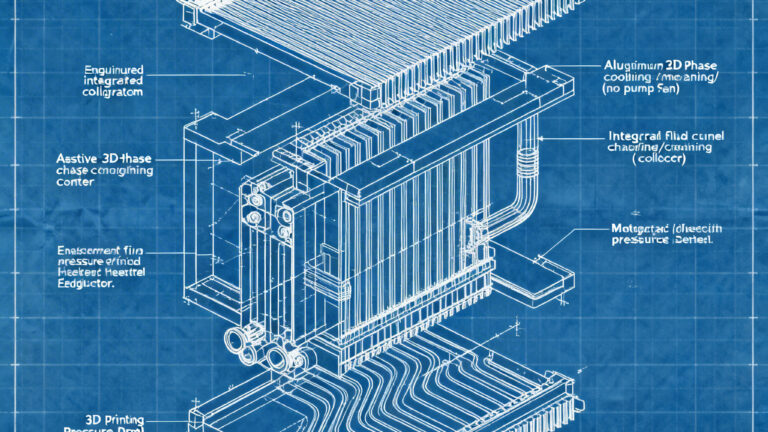
New smart heat exchangers, made with 3D printing technologies and patented, offer greater thermal efficiency without pumps or fans. Thanks to innovative geometries such as partial fins and preloaded integration in engines, weight, costs and consumption are reduced, improving reliability and facilitating assembly. Applications in data centers and aerospace confirm adva

Innovation in Materials and Advanced Recycling: Solutions for a Sustainable Future

Innovation in Materials and Advanced Recycling: Solutions for a Sustainable Future

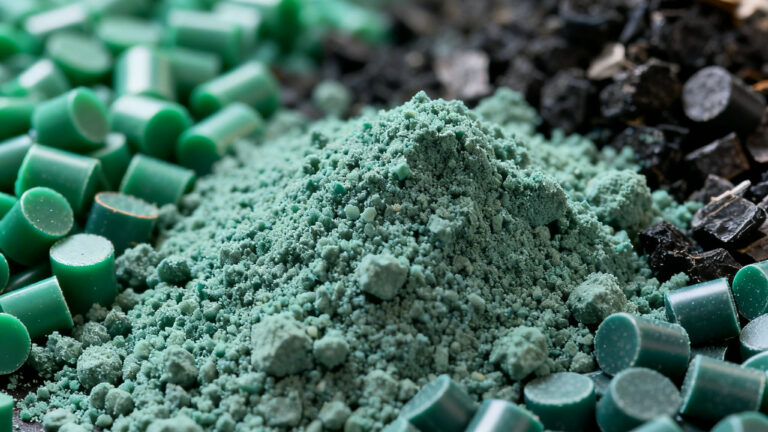
Innovation in materials and advanced recycling are transforming the manufacturing industry. Arkema, with the Virtucycle® program, promotes the use of recycled polymers without compromising performance. Technologies such as chemical recycling and 3D printing with recovered powders reduce environmental impact and costs. Strategic collaborations and bio-based materials open new paths towards an econ

Cutting-Edge University Labs: How 3D Printing Transforms Research and Education

Cutting-Edge University Labs: How 3D Printing Transforms Research and Education

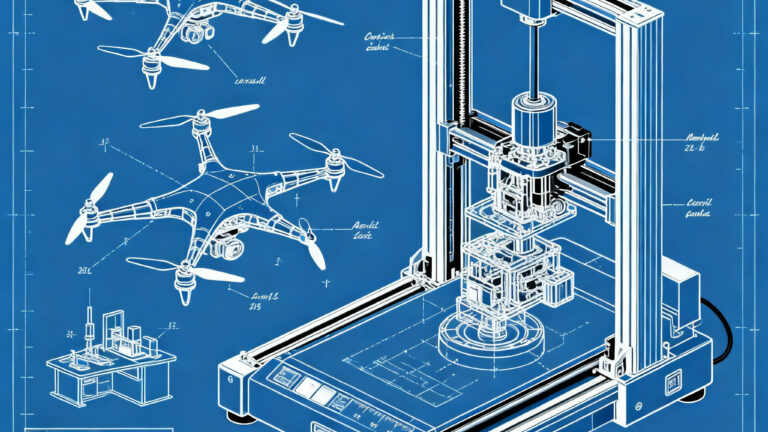
3D printing is revolutionizing university laboratories, integrating into teaching and research processes. A key tool for rapid prototyping, it allows students to translate theory into practice, accelerating learning. Case studies such as drones and aerospace components demonstrate the real-world application of the technology, supported by advanced motion capture systems and workflow

How 3D Printing Is Transforming Dentistry: Technologies, Materials and Clinical Applications

How 3D Printing Is Transforming Dentistry: Technologies, Materials and Clinical Applications

3D printing is revolutionizing dentistry, enabling rapid and customized production of dental devices directly in the office. Thanks to technologies such as SLA, DLP and PolyJet and biocompatible materials, it is possible to create crowns, surgical guides, orthodontic models and prostheses in reduced times, with greater precision and lower costs compared to traditional methods. The integr

How Uptool is digitizing workshops with the help of AI

How Uptool is digitizing workshops with the help of AI

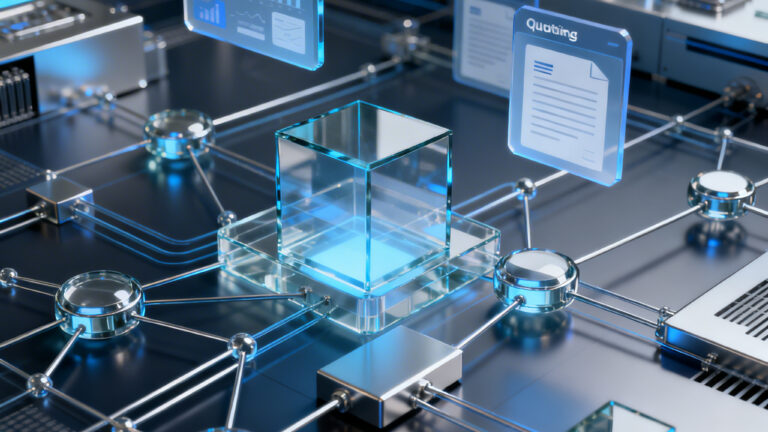
Uptool, a startup founded in 2024, uses AI to automate administrative processes for small manufacturing workshops, reducing the time for quotes by up to 60%. With $6 million in funding, the platform promises to increase the efficiency and competitiveness of companies, allowing them to focus on growth and customer relationships.

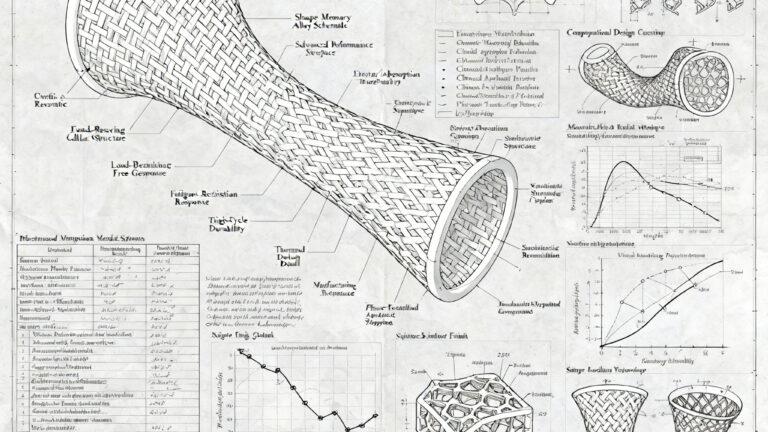
Nitinol Metamaterials for Medical Applications and Actuators: How Geometric Design Restores Superelasticity

Nitinol Metamaterials for Medical Applications and Actuators: How Geometric Design Restores Superelasticity

Researchers from IMDEA Materials Institute and UPM have developed 3D-printed Nitinol metamaterials with intertwined structures that restore superelasticity, overcoming the limitations of traditional 3D printing. Thanks to tissue-inspired geometries, it is possible to obtain advanced biomedical devices and smart actuators, opening new perspectives for clinical and engineering applications

/