Building the Future: How 3D Printing Works in Architecture
3D printing is revolutionizing architecture: models and concrete houses in days, zero waste, recycled materials and circular design for a sustainable future.

 Innovations
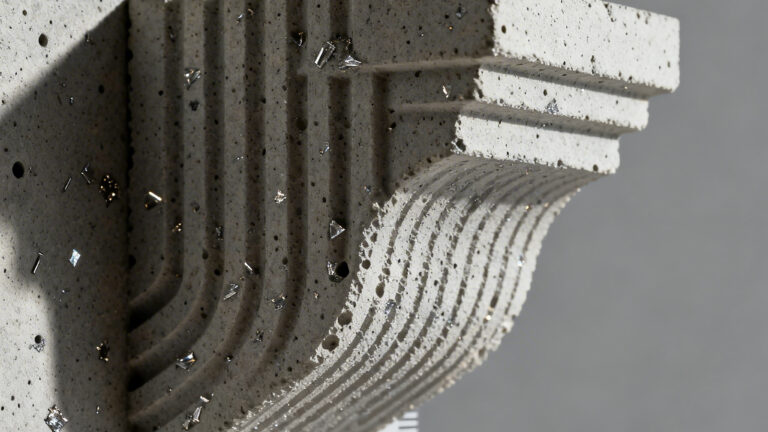
 3D printing is revolutionizing architecture: models and concrete houses in days, zero waste, recycled materials and circular design for a sustainable future.
 Tutorial
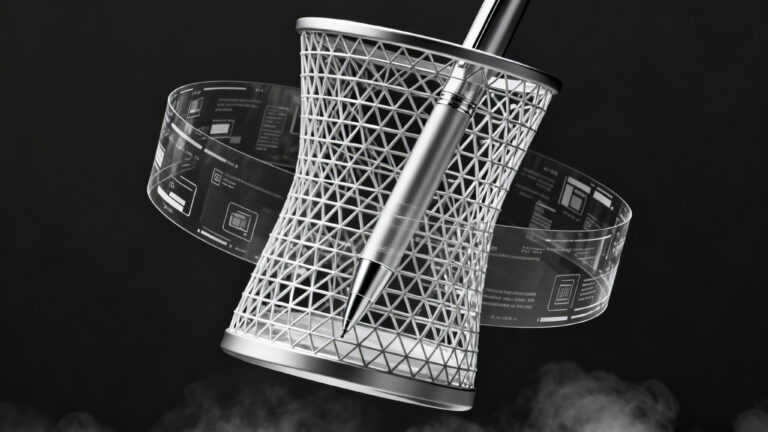
 Quick guide: choose the right CAD to 3D print without errors. From free models (Tinkercad, Fusion 360) to modeling rules, you'll achieve optimized printing in just a few hours.
 Tutorial
 3D post-processing failures cause scrap and costs. Identifying causes (washing, curing, finishing) and applying visual/metrology diagnostics reduces errors, optimizes processes, and cuts scrap.
 Manufacturing
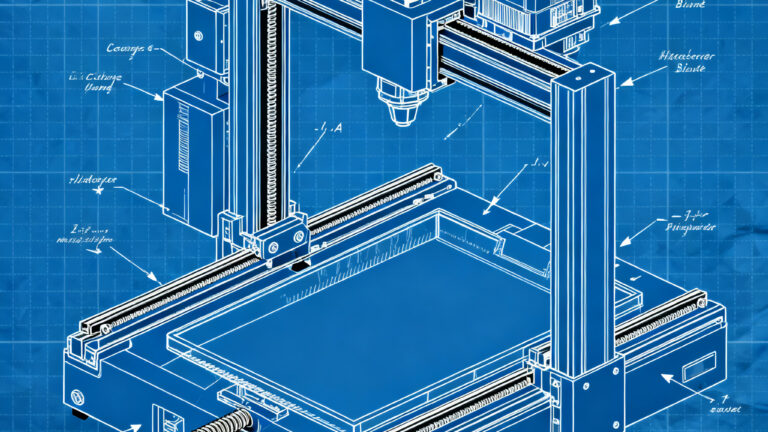
 Industrial SLA 3D printing reduces costs and setup times by up to 75%, transforming tooling and prototyping in automotive and aerospace with micrometric precision and savings up to 200,000 $ per project.
 Innovations
 3D printing revolutionizes fashion: rapid prototyping, custom-made garments and sustainable on-demand production. Challenges regarding materials and comfort remain, but the future is personalized, distributed and zero-impact.
 Manufacturing
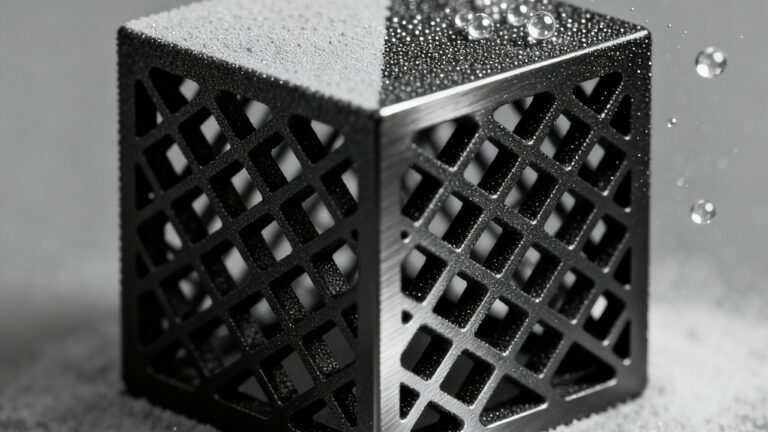
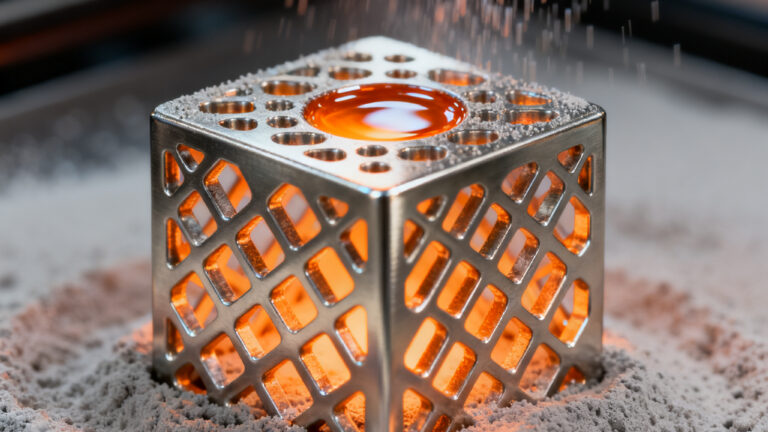
 Post-processing is key for 3D printing: automates supports, polishing, chemical finishes, and quality control to produce efficient and precise end-use components.
 Manufacturing
 Industrial 3D printing grows beyond 20% annually, moving from 40 to 250 billion dollars by 2035. Automation, aerospace, and defense adopt it for critical parts, cutting costs and times. Challenges: scalability, regulations, skills.
 Manufacturing
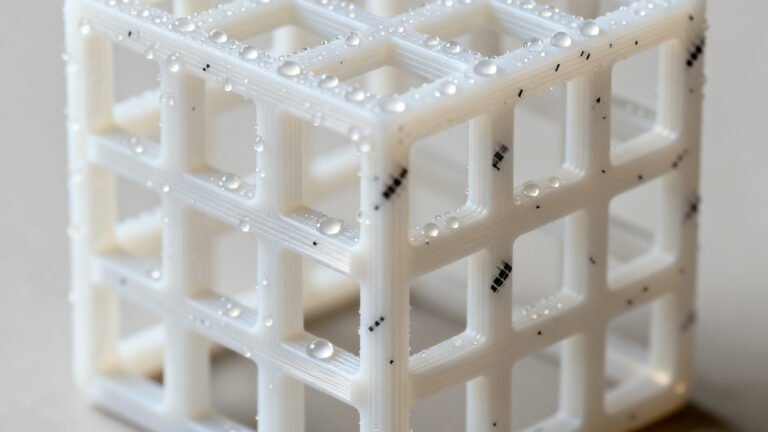
 Accessories and post-processing techniques transform 3D printing into professional production: automated washing, chemical smoothing, polymerization, and coloring guarantee industrial-quality finishes on every material.
 Maker
Maker Practical guide to software development and open source repository for 3D printing: formats, slicing, security, versioning, and cloud and industrial integration.
 Maker
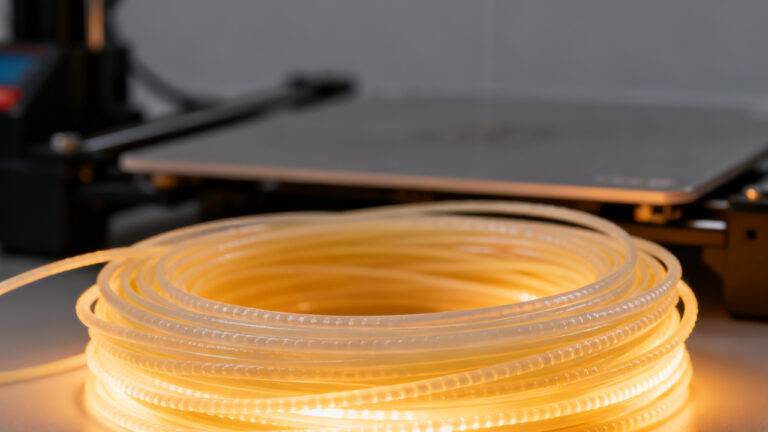
Maker In 2026, consumer 3D printing becomes mainstream: AI, recycled materials, and DIY systems like ExtrudeX lower costs and technical barriers, promoting sustainability and domestic autonomy.
 Manufacturing
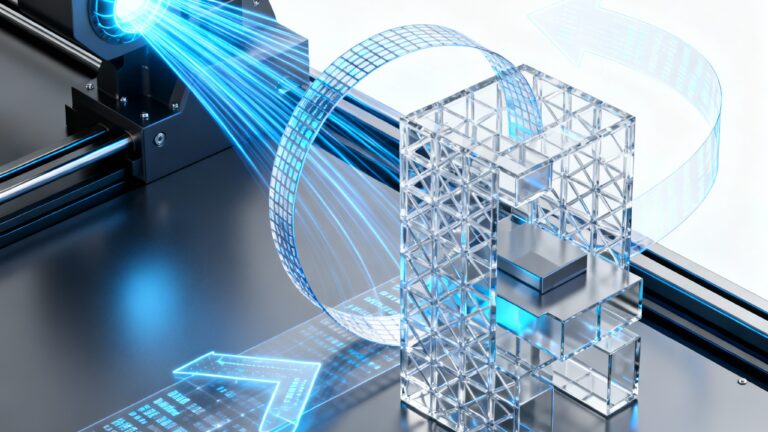
 Automation, sensors, and AI are transforming 3D printing into efficient production: fewer supports, in-house recycling, real-time monitoring, and intelligent software for optimized workflows.
 Maker
Maker In 2026, consumer 3D printing explodes: +181% shipments of entry-level, China leads with 5 million units, Bambu Lab and Creality at 571%. Low prices, AI, and STEM are pushing the market towards 250 billion.