Metal FFF Optimization: From Printing to Sintering for Precision Metal Components
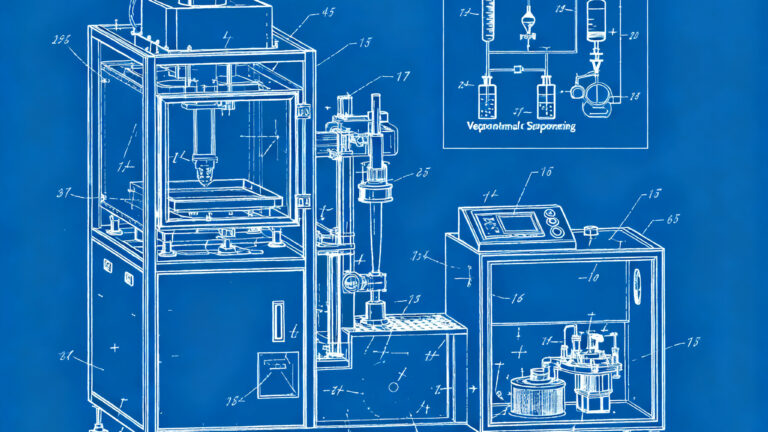
Metal FFF: safe 3D printing with metal filaments, washing and sintering for dense and complex components without loose powders.
Manufacturing Metal FFF: safe 3D printing with metal filaments, washing and sintering for dense and complex components without loose powders.
Innovations 3D printing revolutionizes fashion: rapid prototyping, custom-fit garments, and sustainable on-demand production. Challenges regarding materials and comfort remain, but the future is personalized, distributed, and zero-impact.
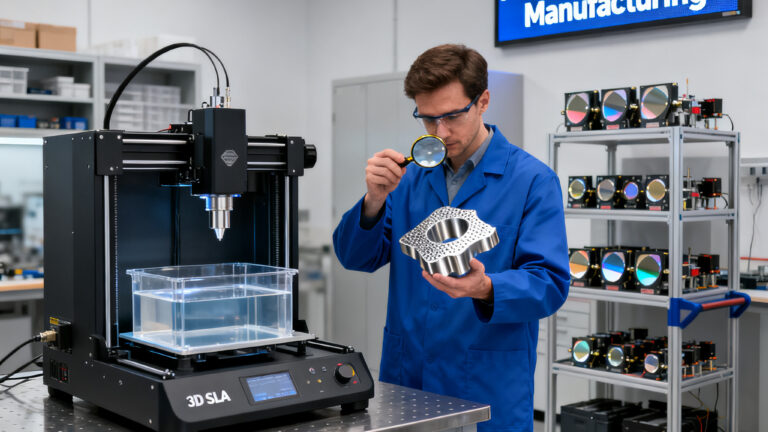
Manufacturing Post-processing is key for 3D printing: automates supports, polishing, chemical finishes, and quality control to produce efficient and precise end-use components.
Manufacturing Industrial 3D printing grows beyond 20% annually, moving from 40 to 250 billion dollars by 2035. Automation, aerospace, and defense adopt it for critical parts, cutting costs and times. Challenges: scalability, regulations, skills.
Innovations Protecting intellectual property in the digital realm is challenging: copyable 3D files, abusive patents, weak DRM. Patent licenses (OCL), blockchain, on-demand production, and shared standards are being experimented with to track usage and royalties.
Manufacturing Additive manufacturing is revolutionizing automotive and heavy industry: new materials, cloud-native CAD, AI, and digital traceability enable flexible batches and resilient supply chains.
Manufacturing In 2026, industrial automation focuses on cyber-physical systems, predictive AI, digital twins, and cobots for flexible, safe, and data-driven production flows, overcoming the limitations of traditional lines.
Manufacturing The lack of skills is slowing the growth of additive manufacturing: universities, industry, and certifications converge to rapidly train 4.0 professionals.
Manufacturing The EU pushes for shared standards for autonomous systems and additive manufacturing: rigorous qualification, traceability, and ISO/AS certifications to accelerate industrial adoption and reduce risks.
Maker Practical guide to software development and open source repository for 3D printing: formats, slicing, security, versioning, and cloud and industrial integration.
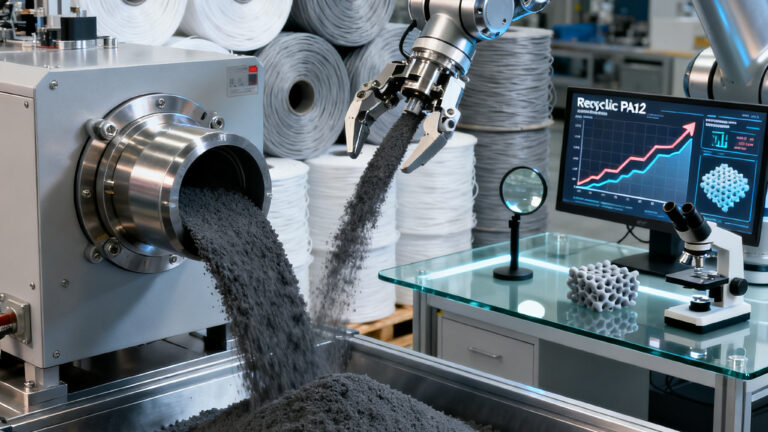
Maker In 2026, consumer 3D printing becomes mainstream: AI, recycled materials, and DIY systems like ExtrudeX lower costs and technical barriers, promoting sustainability and domestic autonomy.
Manufacturing The metal 3D printing market is projected to grow by 251% in 2025, driven by aerospace, defense, and China. New PBF and FFF technologies make production more accessible, efficient, and sustainable. Forecasts: $170-250 billion by 2035.