Applicazione: Research

Press TCT 2026: new frontiers of industrial additive manufacturing

Press TCT 2026: new frontiers of industrial additive manufacturing

The TCT Awards 2026 highlight the growing role of additive manufacturing in strategic sectors such as aerospace, defense, and automotive, with projects that integrate optimized structures, advanced materials, and cross-sector collaborations.
Additive Manufacturing for Hypersonic Vehicles: How 3D Printing is Changing the Aerospace Game

Additive Manufacturing for Hypersonic Vehicles: How 3D Printing is Changing the Aerospace Game

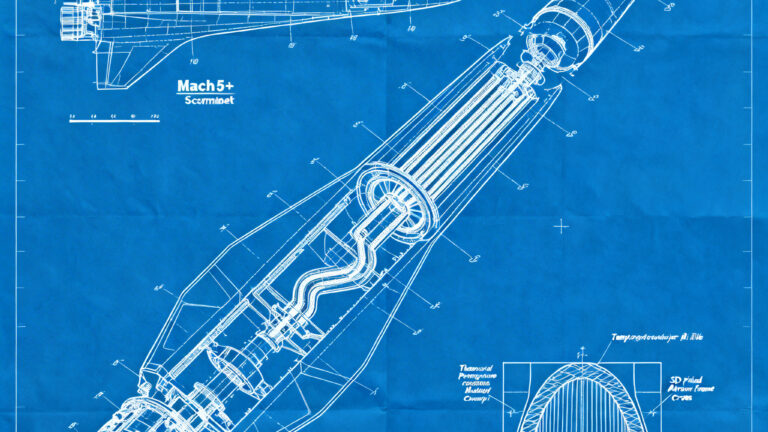
3D printing is revolutionizing the development of hypersonic vehicles, reducing costs and production times. Programs like the Pentagon's HyCAT focus on rapid and reusable test platforms, such as Hypersonix's DART AE demonstrator, entirely 3D printed. Additive manufacturing allows for complex geometries and the use of advanced materials resistant to high temperatures, accelerating

Medical Bioprinting with Chitosan: Design and Implementation of Personalized Therapies for Chronic Ulcers

Medical Bioprinting with Chitosan: Design and Implementation of Personalized Therapies for Chronic Ulcers

Chitosan bioprinting allows the creation of customized patches for chronic ulcers, combining mechanical barrier, antibacterial release, and support for tissue regeneration. Studies from the University of Mississippi show promising results in accelerating healing and reducing infections, thanks to the biocompatible and multifunctional properties of chitosan. The technol

How to Transform Lunar Regolith into Printable Electronic Components

How to Transform Lunar Regolith into Printable Electronic Components

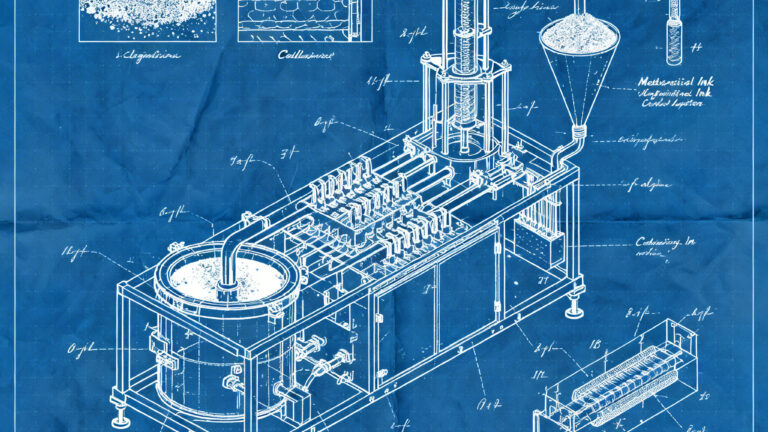
An ESA project is studying how to transform lunar regolith into conductive materials to print electronic components in space, reducing dependence on Earth-based supplies.

Innovative Materials for Industry 4.0: Advanced Solutions in Technical Ceramics and Reinforced Polymers

Innovative Materials for Industry 4.0: Advanced Solutions in Technical Ceramics and Reinforced Polymers

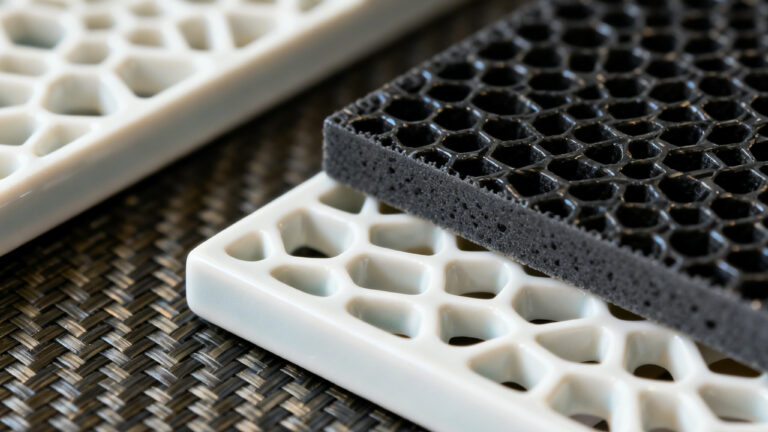
Innovative materials such as technical ceramics and reinforced polymers are revolutionizing Industry 4.0, offering high-performance solutions for sectors like automotive, aerospace, and additive manufacturing. With advanced sintering and production technologies, these materials enable complex geometries and structural applications, also thanks to specialized centers like AMPP. The implementation

Lightweight Robotics and Multimaterial 3D Printing: How to Build a Soft Humanoid

Lightweight Robotics and Multimaterial 3D Printing: How to Build a Soft Humanoid

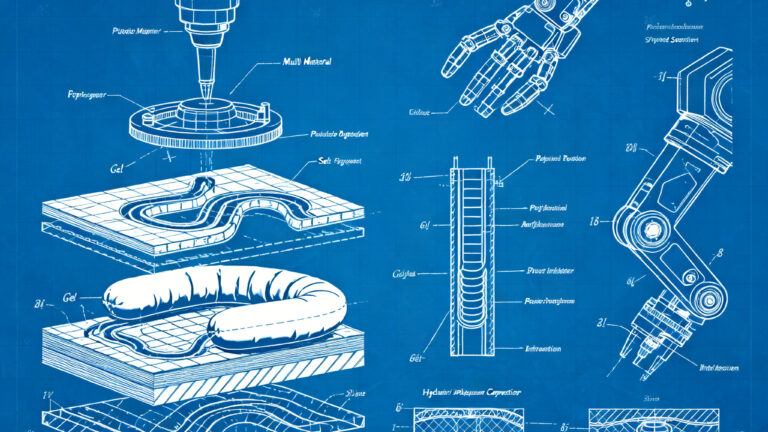
Soft robotics and multi-material 3D printing are revolutionizing automation, enabling the creation of lightweight, flexible, and safe robots. Thanks to an innovative process developed at Harvard University, it is now possible to build soft humanoids without molds, integrating rigid and gel-like materials in a single printing process. This technology opens new avenues for applications

Cutting-Edge University Labs: How 3D Printing Transforms Research and Education

Cutting-Edge University Labs: How 3D Printing Transforms Research and Education

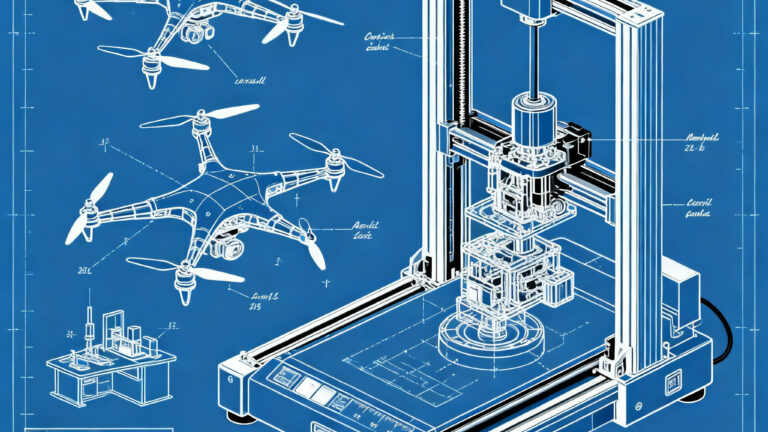
3D printing is revolutionizing university laboratories, integrating into teaching and research processes. A key tool for rapid prototyping, it allows students to translate theory into practice, accelerating learning. Case studies such as drones and aerospace components demonstrate the real-world application of the technology, supported by advanced motion capture systems and workflow

Advanced Photopolymerization: When Speed Meets Precision

Advanced Photopolymerization: When Speed Meets Precision

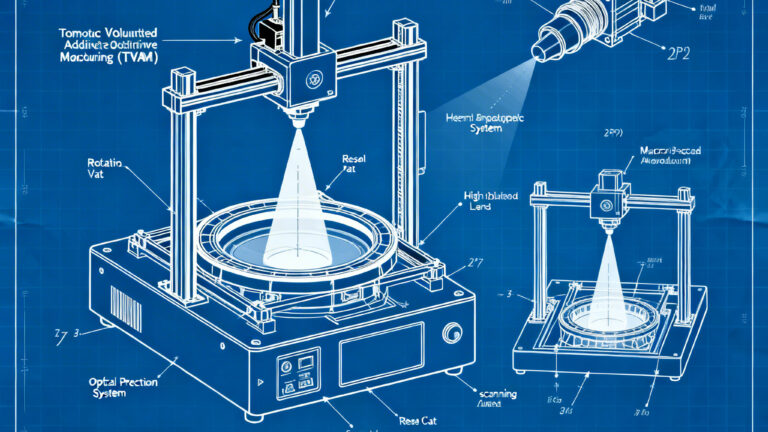
Advanced photopolymerization in 3D printing includes technologies such as TVAM, fast but less precise, and 2PP, extremely detailed but slow. Both offer complementary advantages: TVAM for rapid volumes, 2PP for micro-details. Hybrid solutions integrate the two technologies to maximize productivity and precision, opening new possibilities in fields such as bioengineering and micro-optics.

Nitinol Metamaterials for Medical Applications and Actuators: How Geometric Design Restores Superelasticity

Nitinol Metamaterials for Medical Applications and Actuators: How Geometric Design Restores Superelasticity

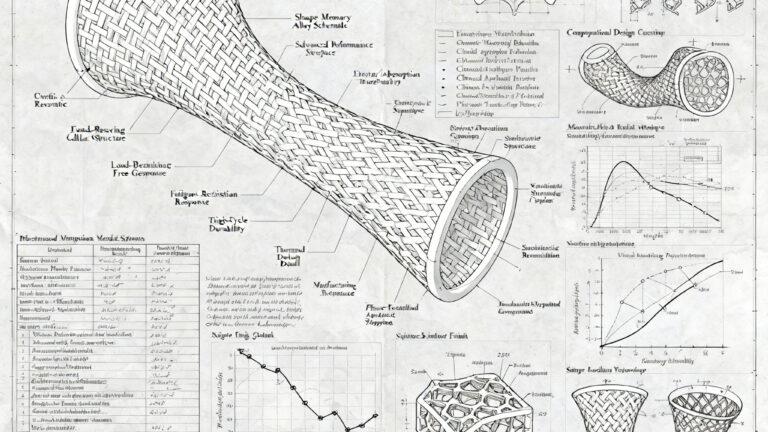
Researchers from IMDEA Materials Institute and UPM have developed 3D-printed Nitinol metamaterials with intertwined structures that restore superelasticity, overcoming the limitations of traditional 3D printing. Thanks to tissue-inspired geometries, it is possible to obtain advanced biomedical devices and smart actuators, opening new perspectives for clinical and engineering applications

How 3D Anatomical Models Work in Surgical Planning for Medical Education

How Surgical Planning Works with 3D Anatomical Models in Medical Education

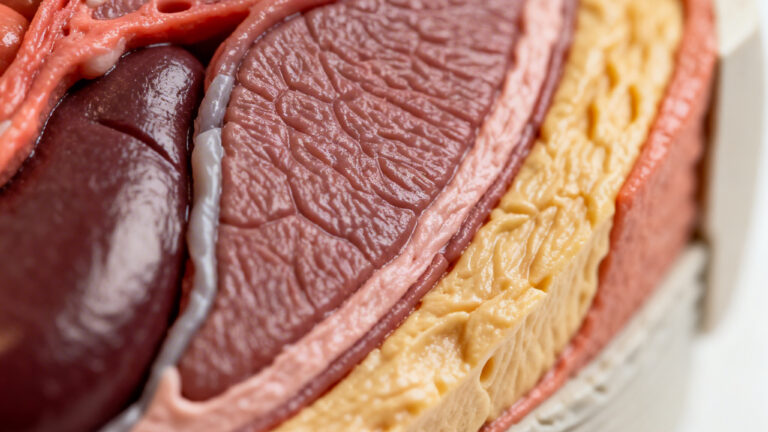
Surgical planning with 3D anatomical models is revolutionizing medical education, offering realistic and customized simulations for surgeon training. Thanks to multilayer printing technologies and radiological data, it is possible to faithfully recreate human tissues, enabling simulated procedures without risks to patients. The models, used in university and cli

How 3D Printing Transforms Product Innovation: Speed, Materials, and Digital Collaboration

How 3D Printing Transforms Product Innovation: Speed, Materials, and Digital Collaboration

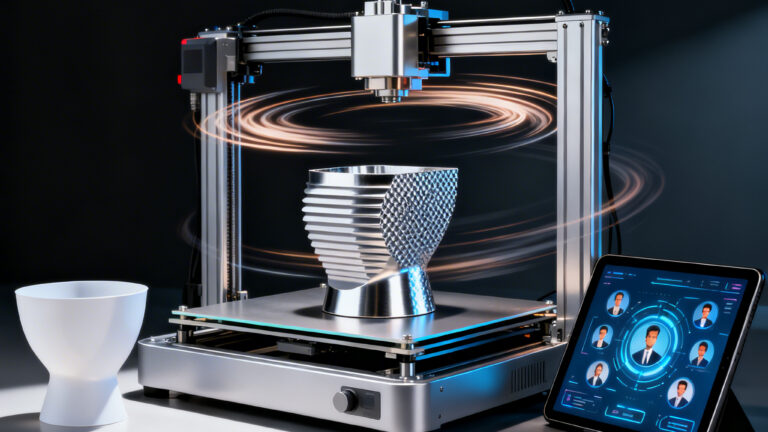
How 3D Printing Transforms Product Innovation: Speed, Materials, and Digital Collaboration 3D printing is not just an emerging technology: it is a tool that is redefining the early stages of innovation in...

Liver Bioprinting: A Decisive Step Towards Temporary Liver Regeneration

Liver Bioprinting: A Decisive Step Towards Temporary Liver Regeneration

Carnegie Mellon leads the $28.5 million LIVE project to print temporary liver tissue: a “biological bridge” that supports the liver in regeneration, avoids transplantation, and reduces waiting lists within 5 years.

/