Applicazione: Prototyping

Functional and Adaptive Filaments: Mechanisms of Fracture and Thermomechanical Stability

Functional and Adaptive Filaments: Mechanisms of Fracture and Thermomechanical Stability

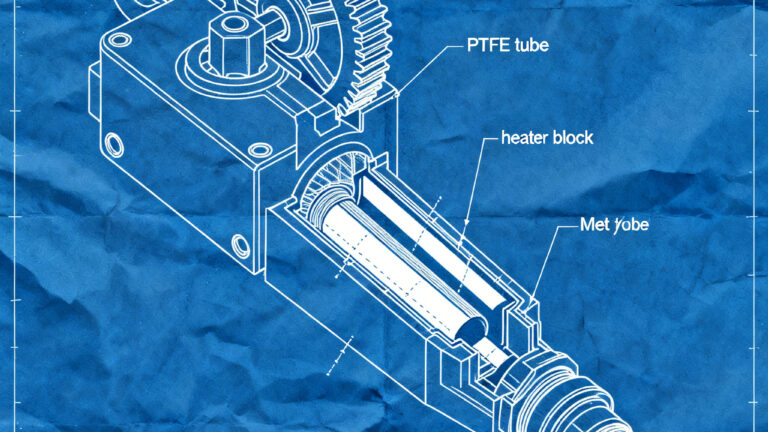
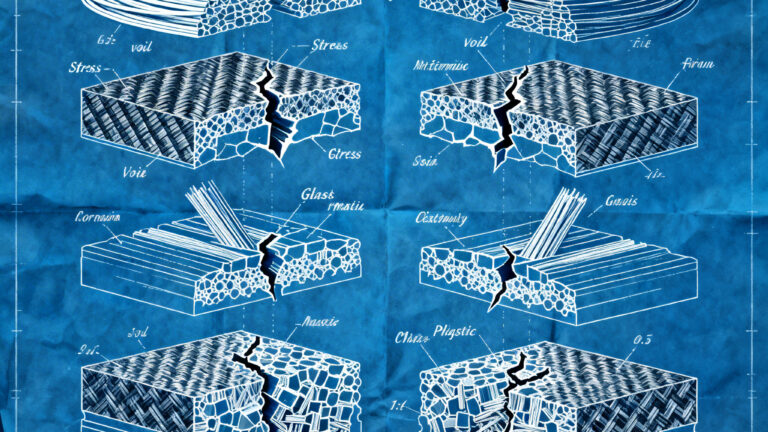
Composite filaments for FDM 3D printing, enriched with carbon or glass fibers, exhibit brittleness and risk of breakage during printing due to poor integration between additives and the polymer matrix. Heating the chamber does not improve the situation and can worsen the problem. Structural discontinuities generate localized stresses, especially in the curves of the filament path
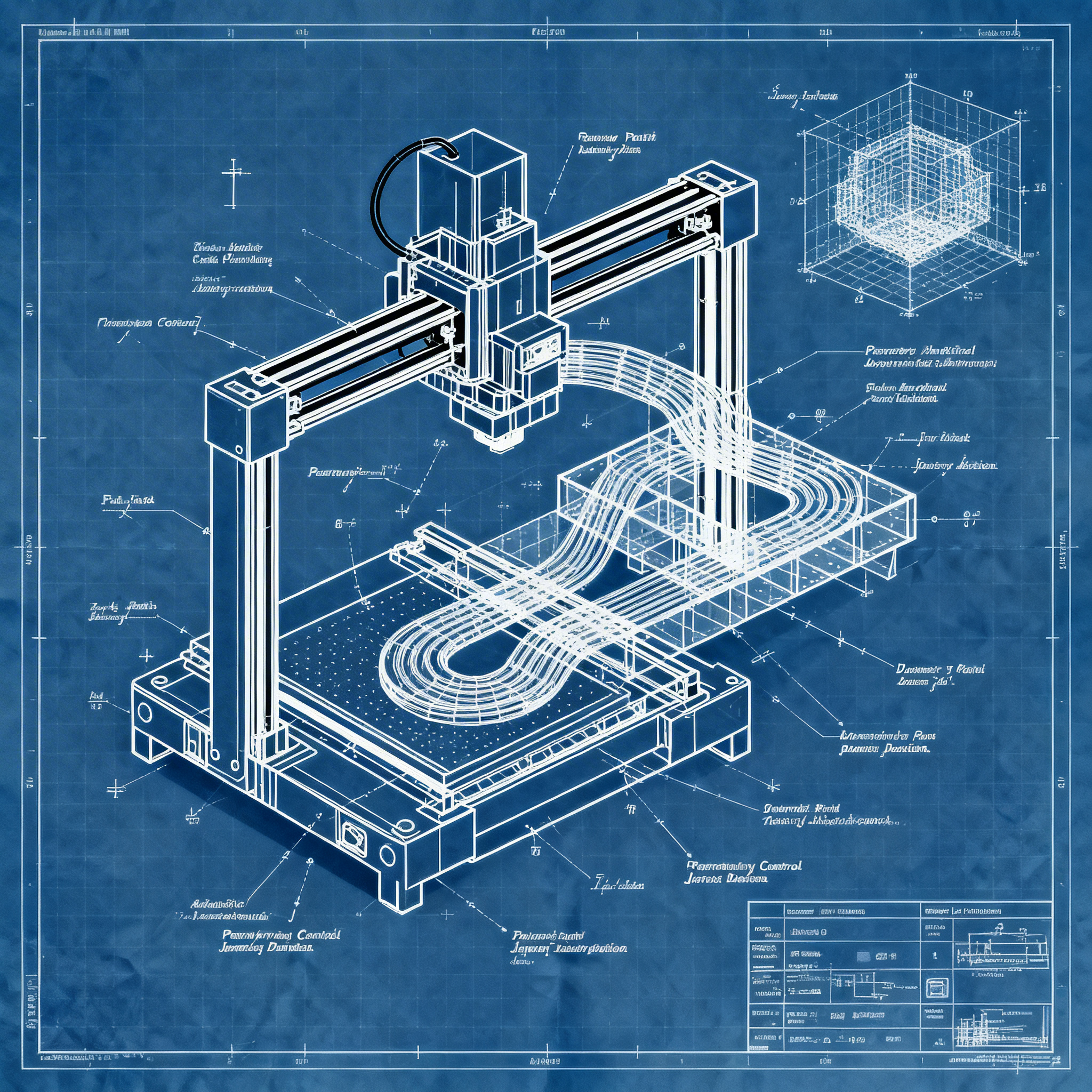
Beyond Traditional Slicing: Advanced Architectures for Path Planning in Industrial 3D Printing

Beyond Traditional Slicing: Advanced Architectures for Path Planning in Industrial 3D Printing

The article explores how advanced software architectures, such as 64-bit systems and modern geometric libraries, are revolutionizing path planning in slicers for industrial 3D printing, improving precision, reliability, and efficiency.

Photopolymer Resin Safety in SLA Printers: Process Standardization and Informed Choices

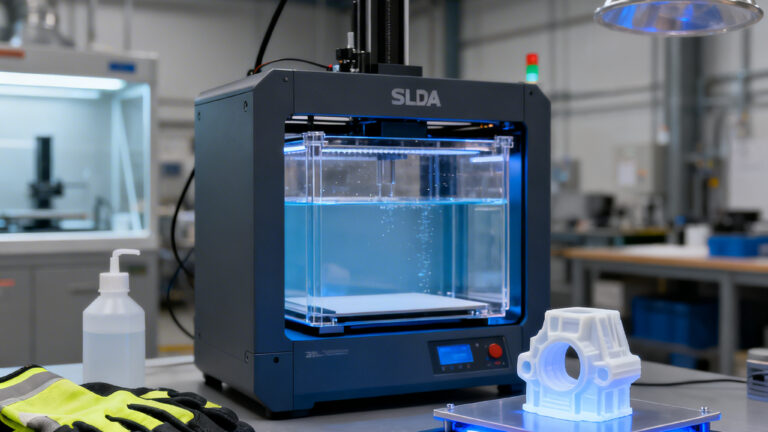
Photopolymer Resin Safety in SLA Printers: Process Standardization and Informed Choices

SLA 3D printing with photopolymer resins requires attention to chemical risks. Material selection, operational safety, and disposal are fundamental for health and compliance.

Nozzle and Gcode: Advanced Techniques for Precision in 3D Printing

Nozzle and Gcode: Advanced Techniques for Precision in 3D Printing

Optimizing the nozzle and G-code is essential for precise 3D prints. The choice of nozzle diameter, extrusion calibration, and correct use of G1, M109/M104 commands make it possible to avoid defects and improve quality. Advanced techniques such as Blender simulation and custom nozzles open up new possibilities in fields such as food or ceramics.

Comparison of 3D Printing Technologies for Polymers: FDM, SLA, SLS, and MJF Compared

Comparison of 3D Printing Technologies for Polymers: FDM, SLA, SLS, and MJF Compared

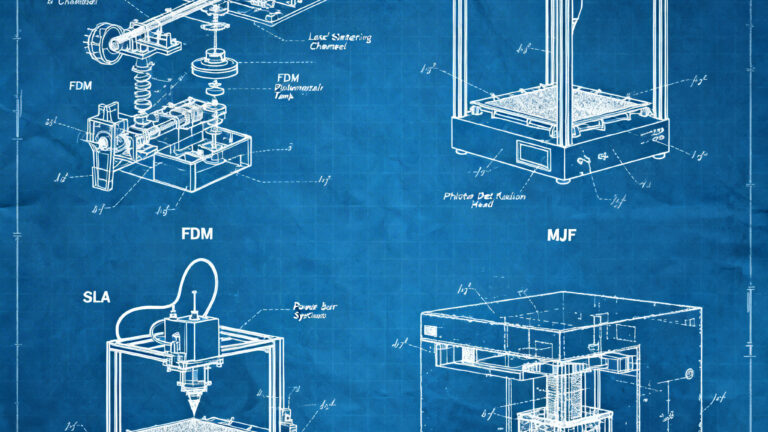
Comparison of 3D printing technologies for polymers: FDM, SLA, SLS, and MJF. Each technology offers specific advantages in terms of precision, mechanical strength, surface finish, and industrial applications. The evolution of materials is expanding the operational boundaries in advanced sectors such as aerospace, automotive, and medical.

How the New CAD Cloud-Native Is Revolutionizing Design for 3D Printing

How the New CAD Cloud-Native Is Revolutionizing Design for 3D Printing

The new cloud-native CAD revolutionizes design for 3D printing, overcoming the limits of traditional systems. Thanks to hybrid modeling, simulation integration, and automation, it enables rapid and precise modifications, reducing times and errors. Ideal for scalable and innovative additive productions.

Integration of 3D Printing in Hospitals: An Operational Guide for Safe and Efficient Clinical Implementation

Integration of 3D Printing in Hospitals: An Operational Guide for Safe and Efficient Clinical Implementation

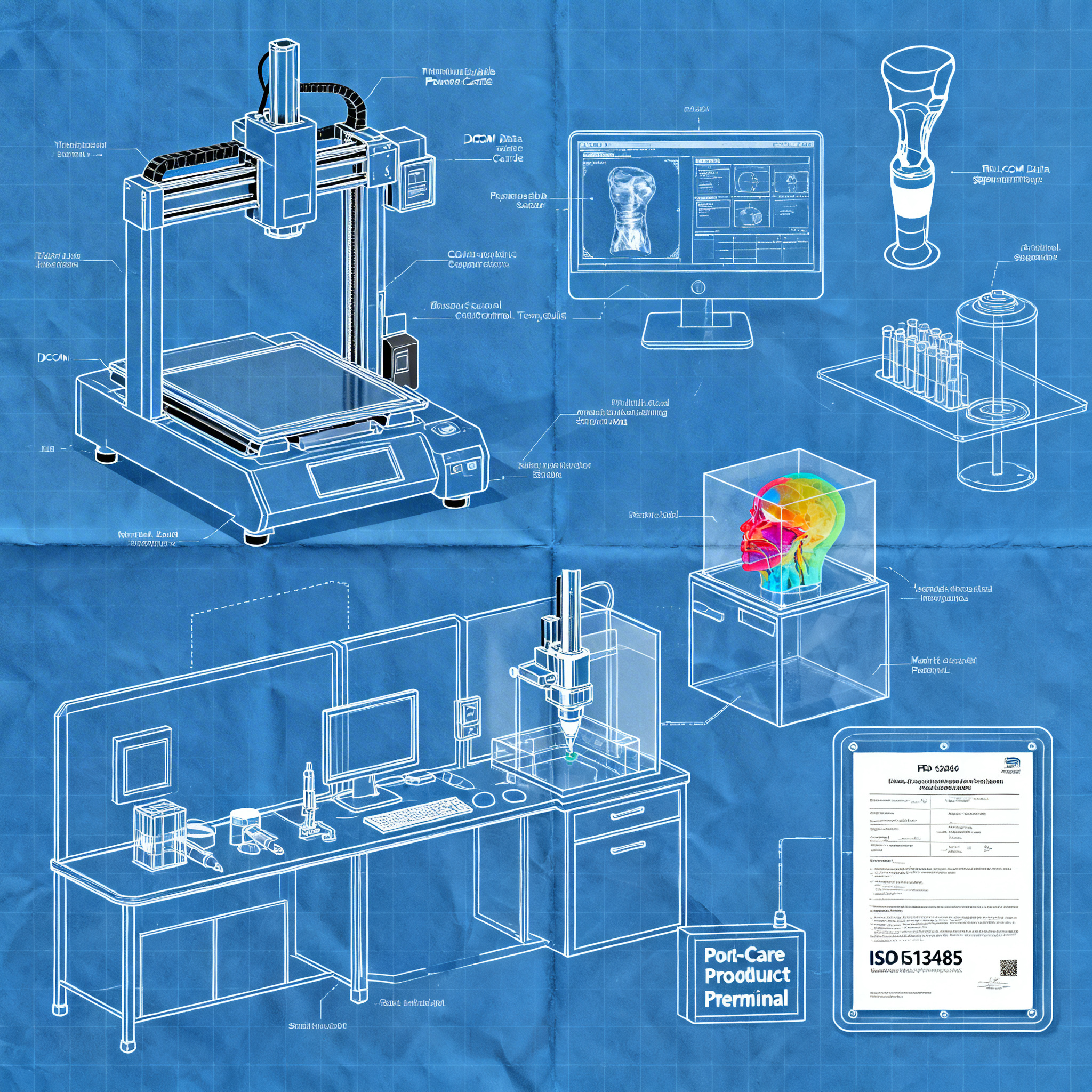
3D printing in hospitals is becoming an essential resource for personalized medicine, with applications ranging from anatomical models to custom implants. Integration requires adequate technologies, biocompatible materials, standardized workflows, and trained staff. Benefits include shorter waiting times, greater clinical precision, and cost reduction. Leading hospitals

Advanced Training for Industrial 3D Printing: How Companies Build Scalable Competencies

Advanced Training for Industrial 3D Printing: How Companies Build Scalable Competencies

Advanced training in industrial 3D printing is now strategic for bridging the skills gap and ensuring the growth of the sector. Structured programs, academic partnerships, and hybrid learning models are preparing professionals capable of integrating technology and productive practice.

Additive Manufacturing vs Plastic Injection: Trade-offs in Industrial and Aerospace Contexts

Additive Manufacturing vs Plastic Injection: Trade-offs in Industrial and Aerospace Contexts

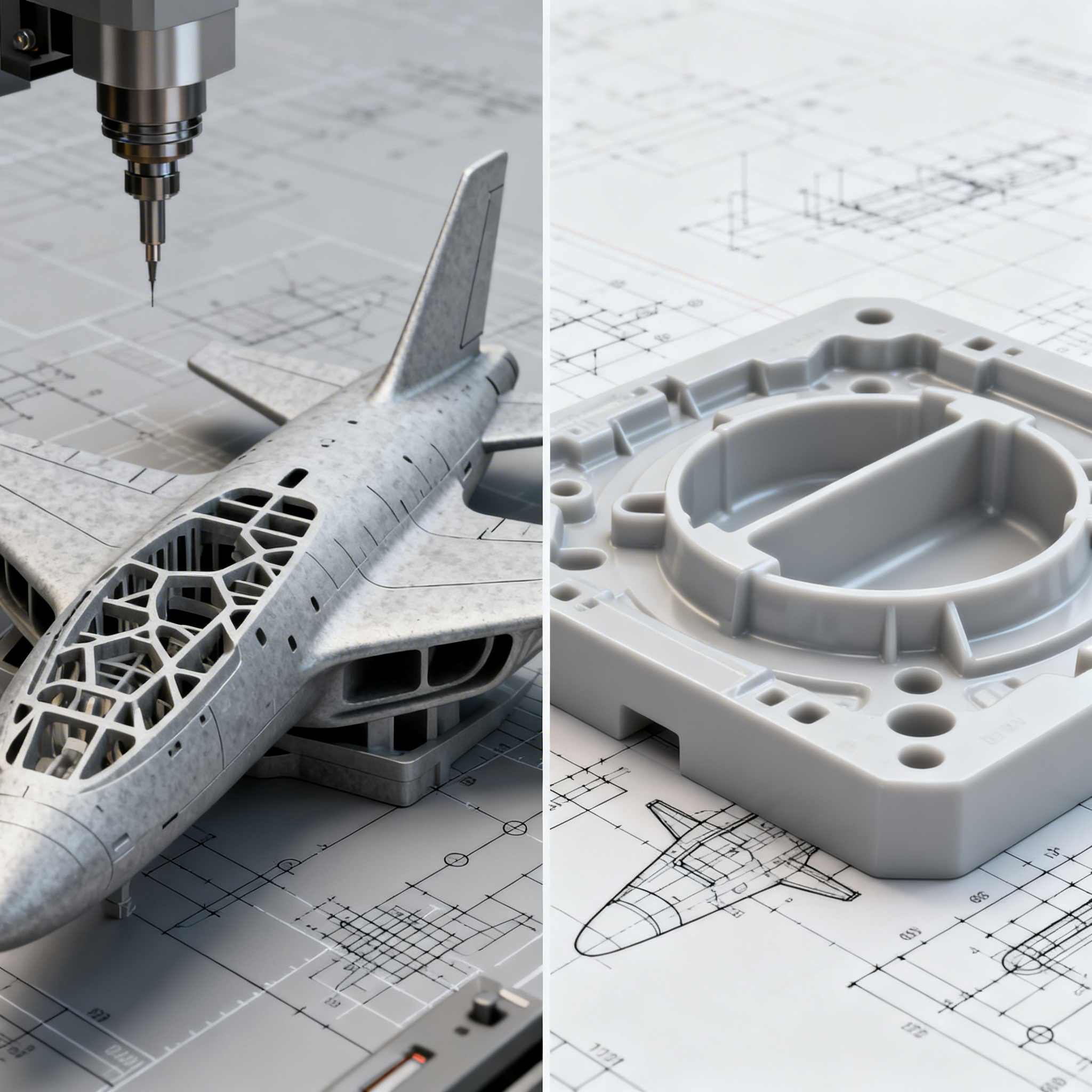
The choice between 3D printing and plastic injection depends on volume, customization, and operational context. Injection dominates in high volumes, while 3D printing is preferred for small batches and complex geometries. Both are complementary.

Industrial 3D Printing: Contract Clauses at Risk and How to Avoid Them

Industrial 3D Printing: Contract Clauses at Risk and How to Avoid Them

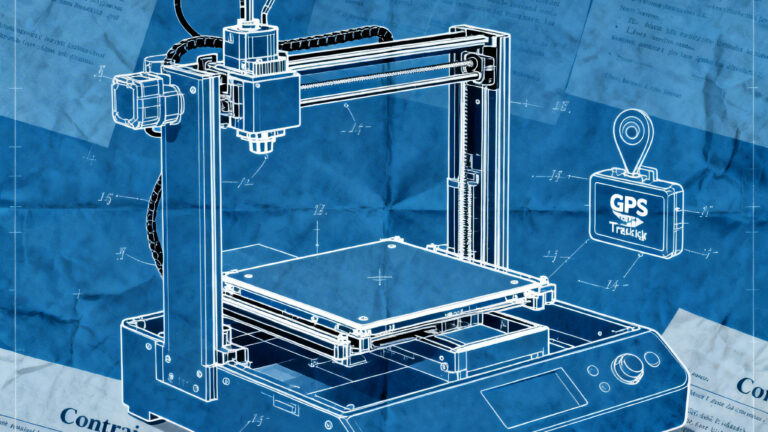
Industrial 3D printing presents often underestimated contractual risks, with clauses that unilaterally shift liability and costs onto clients. Key points include: GPS tracking, geographic limits, training obligations, vague definitions of “failure”, and choice of jurisdiction. It is essential to negotiate fair contracts to avoid legal constraints and ensure safe operations.

Managing Software and Firmware Updates for Printers: A Technical Operational Guide

Managing Software and Firmware Updates for Printers: A Technical Operational Guide

Updating printer firmware and software is essential to prevent errors, optimize materials, and improve efficiency. Neglecting them can cause waste, interruptions, and a drop in quality. Following an accurate procedure, with testing and backups, allows you to fully leverage technological advantages and extend the life of the machines.

How 3D Printing is Revolutionizing Luxury Jewelry Production

How 3D Printing is Revolutionizing Luxury Jewelry Production

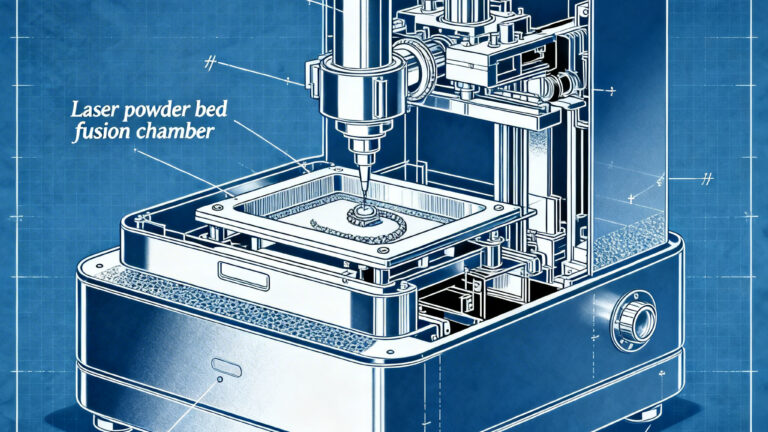
3D printing is revolutionizing luxury jewelry, enabling complex shapes, reduced production times, and less waste of precious metals. Thanks to digital design and technologies like SLA and LPBF, designers can create details impossible to achieve with traditional methods, accelerating prototyping and production. Integration with lost-wax casting maintains the high quality

/