Tecnologia: DMLS/SLM

In-Process Inspection for Metal 3D Printing: How Calibrated Measurement-Based Quality Control Works

In-Process Inspection for Metal 3D Printing: How Calibrated Measurement-Based Quality Control Works

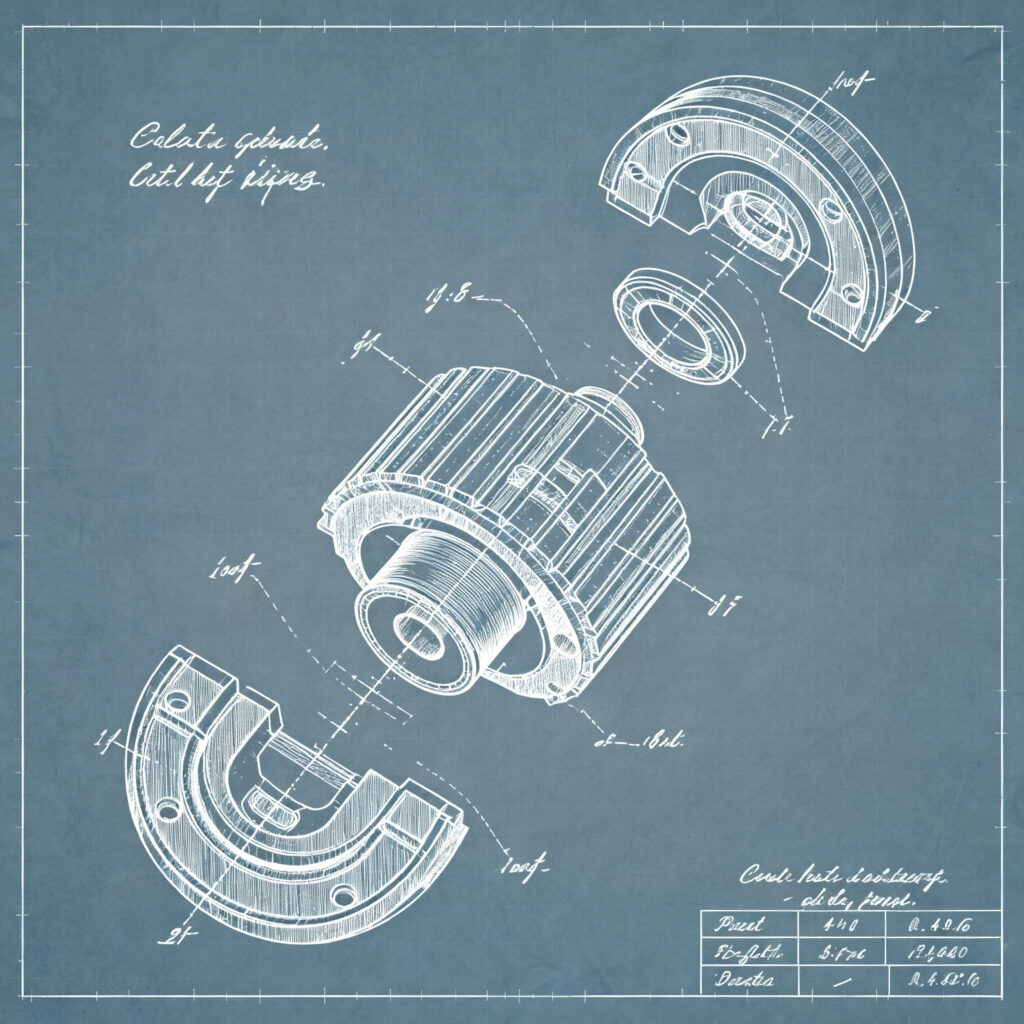
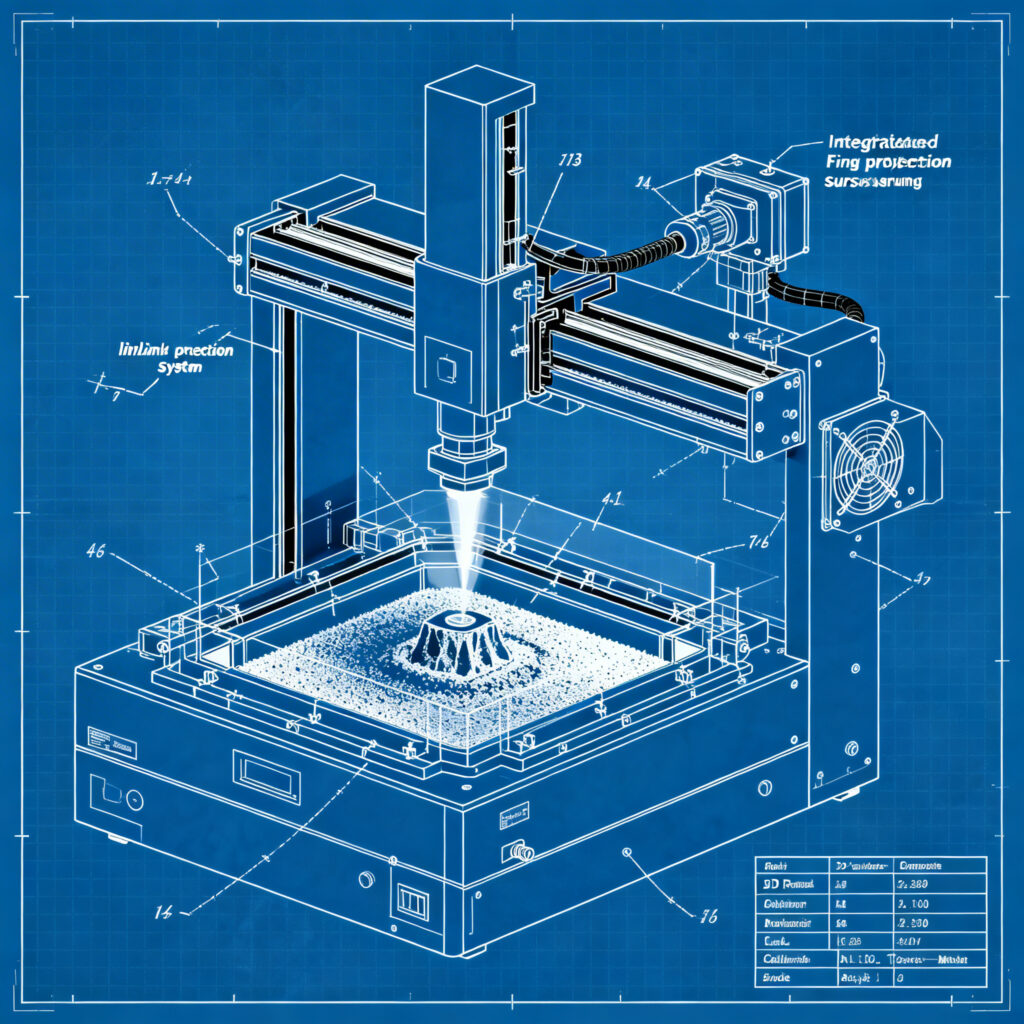
In-process inspection based on calibrated measurements is revolutionizing quality control in metal 3D printing, replacing expensive post-production checks with precise, proactive monitoring during the process. Technologies like structured light fringe projection allow for real-time measurement of critical parameters such as layer thickness and surface roughness, mi
Ultrafast and High Precision in Industrial Additive Processes: How It Really Works

Ultrafast and High Precision in Industrial Additive Processes: How It Really Works

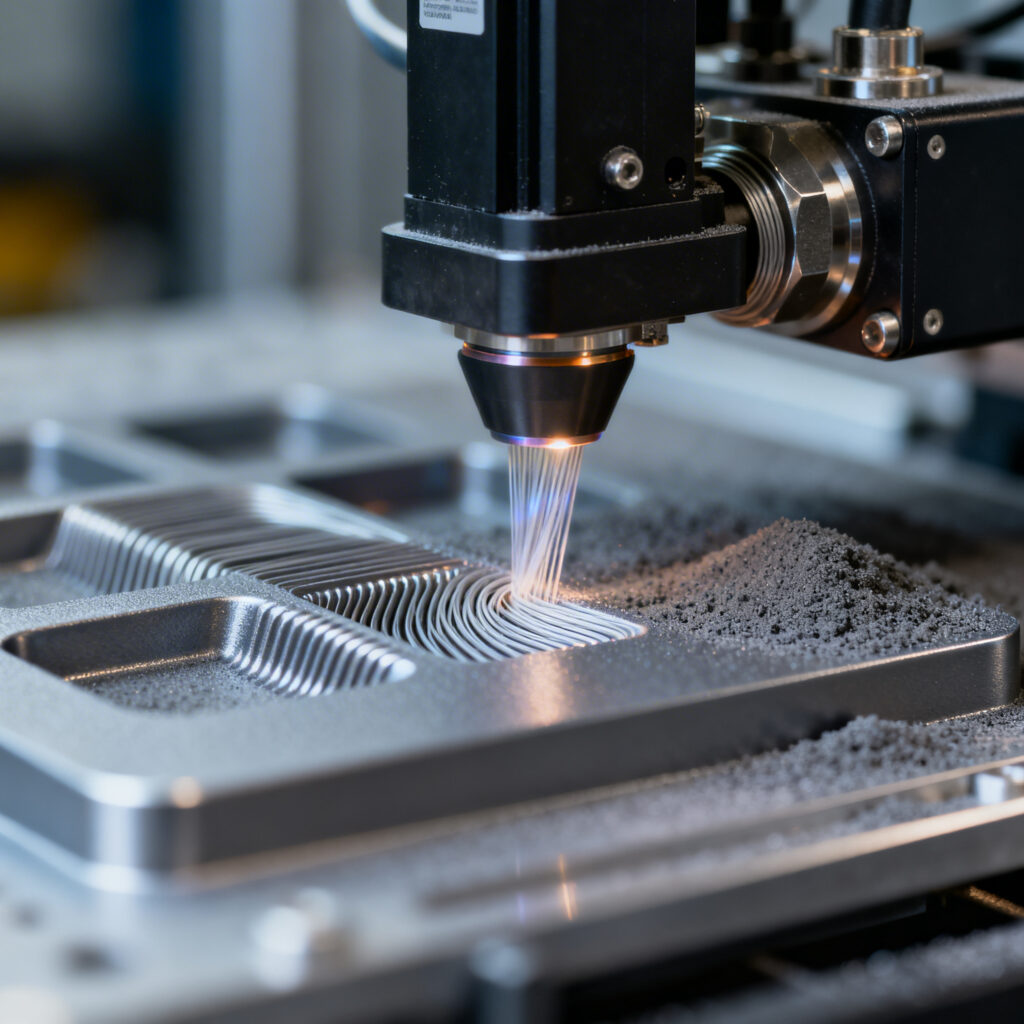
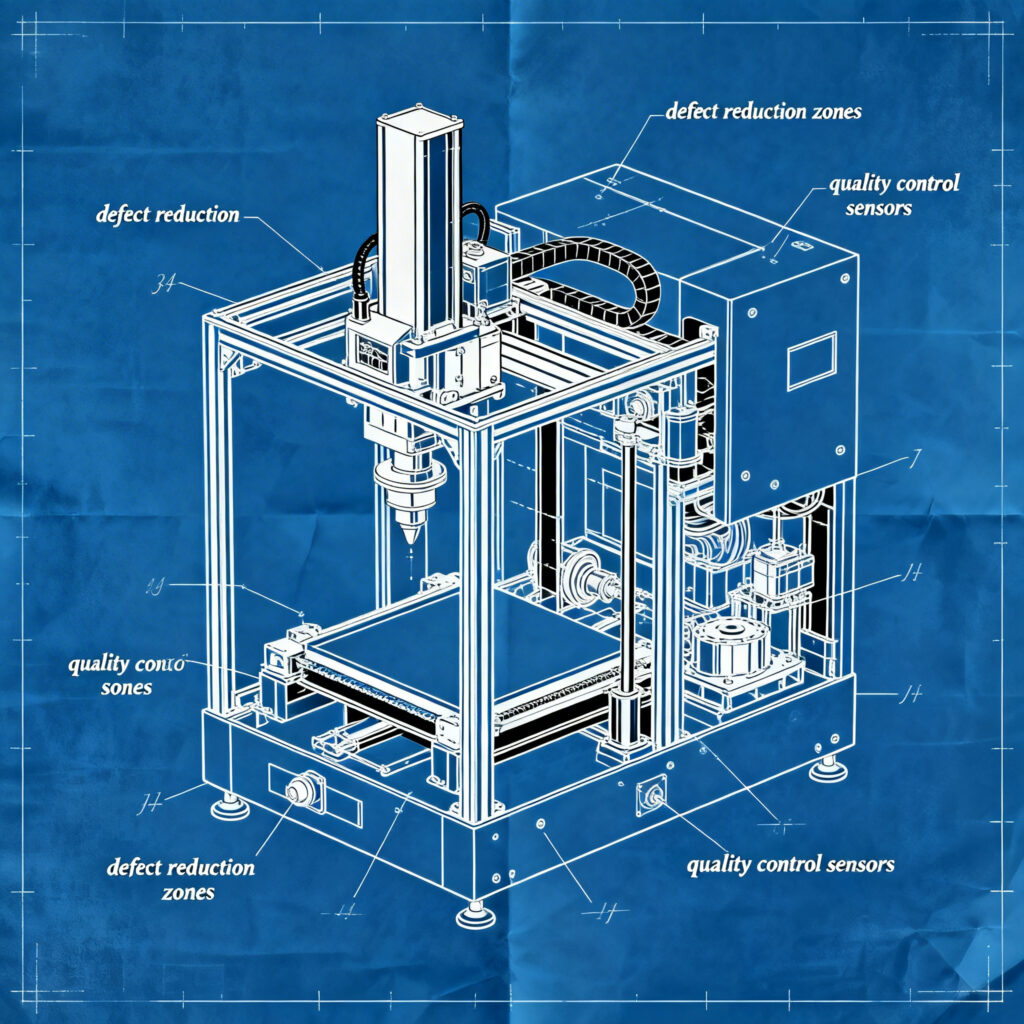
Industrial additive manufacturing today combines speed and precision thanks to advanced technologies such as multi-laser, AI and automated post-processing. Systems like SSLM and TVAM drastically reduce production times while maintaining high quality. High-performance materials – technical polymers, metal alloys and composites – expand applications. Automation in vapor smoothing and depowdering m

Industrial Performance Benchmarking: When 3D Printing Surpasses Traditional Manufacturing

Industrial Performance Benchmarking: When 3D Printing Surpasses Traditional Manufacturing

3D printing surpasses traditional manufacturing in terms of production times, quality, and internal defects. An EPRI project shows how convergent manufacturing reduces times from 30 months to 3 months, maintaining or improving mechanical properties. Additive manufacturing offers significant advantages for highly regulated sectors, thanks to fewer defects, more precise controls, and reduced

How Additive Manufacturing is Redefining the Regional Infrastructure for Resilient Public Services

How Additive Manufacturing is Redefining the Regional Infrastructure for Resilient Public Services

Australia is using additive manufacturing to build more resilient public infrastructure, reducing dependence on foreign suppliers and strengthening local production thanks to collaborations between research, industry, and government.

Post-Prototype Operational Models in the Advanced Metal Industry

Post-Prototype Operational Models in the Advanced Metal Industry

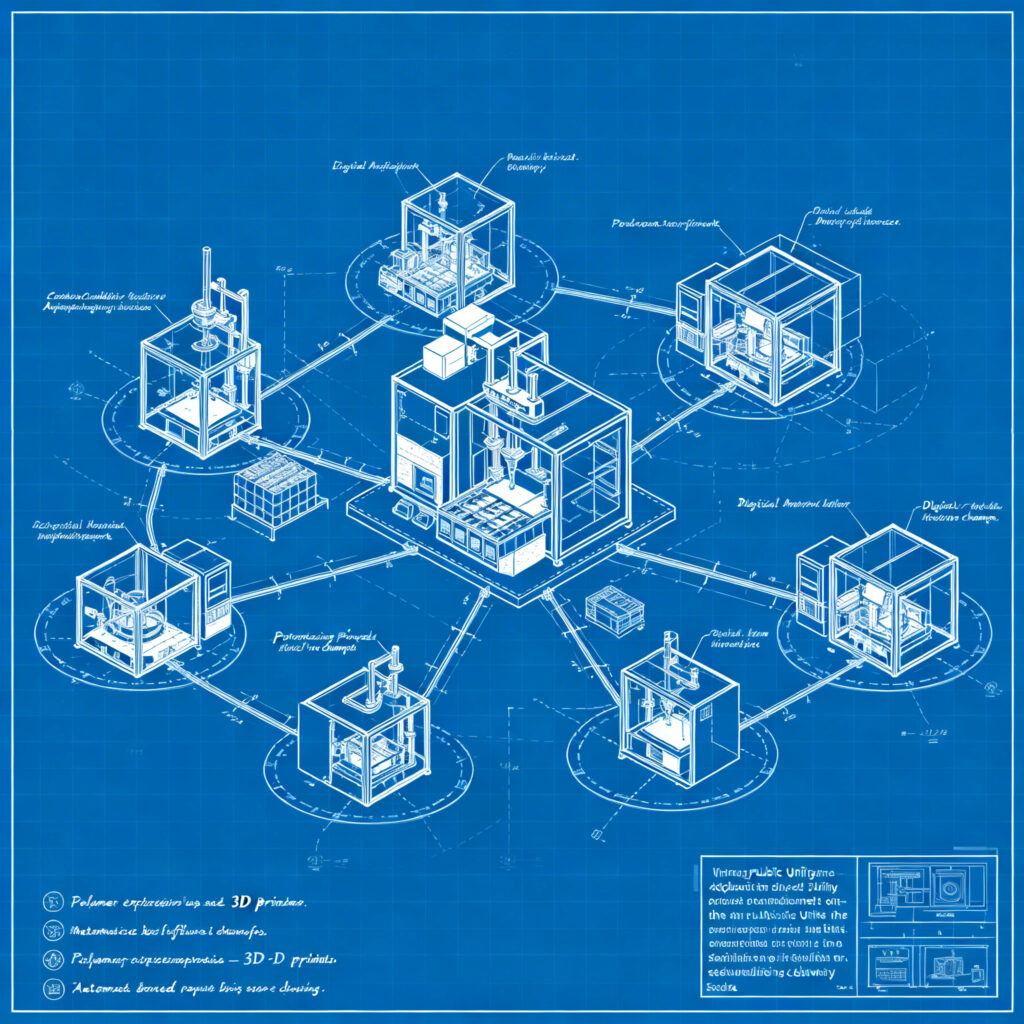
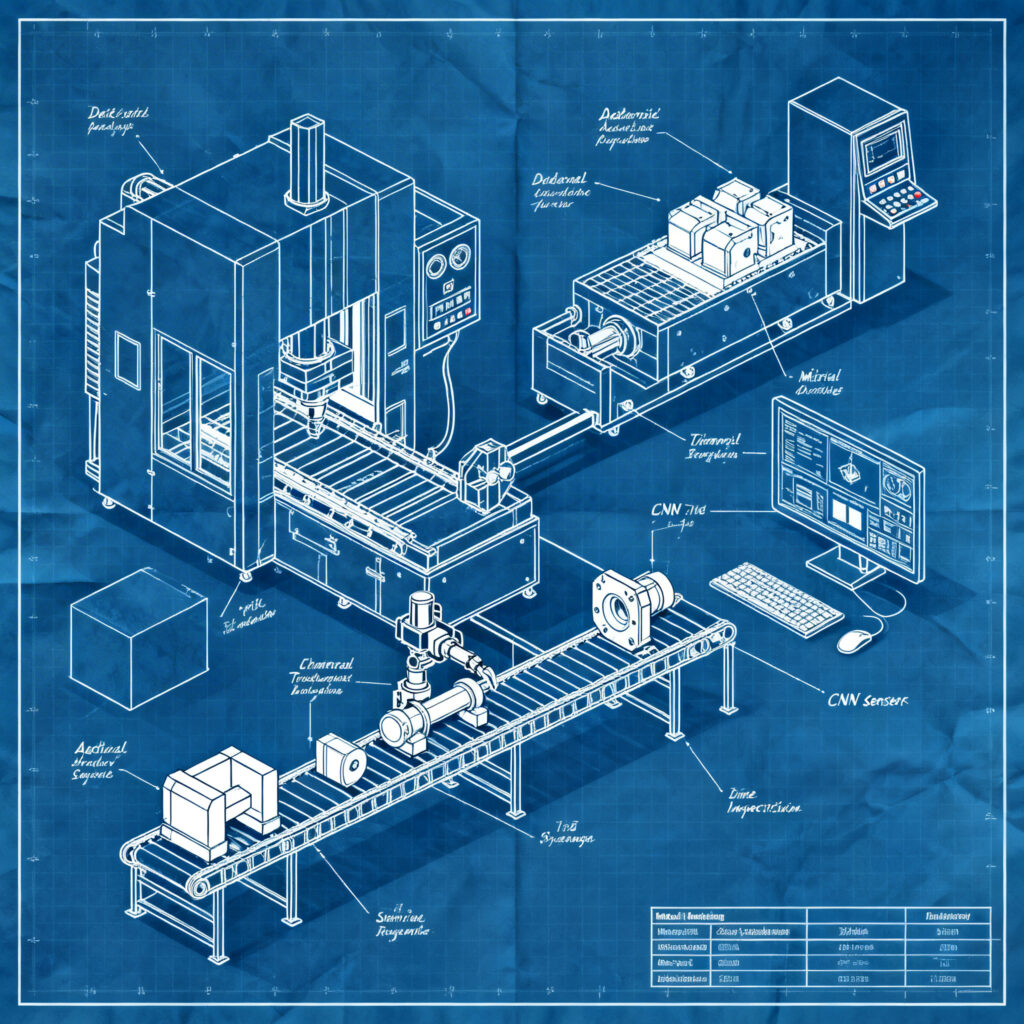
The advanced metal industry is evolving towards integrated production systems, where every stage of production collaborates in real time. Overcoming the traditional model of isolated departments, a connected architecture emerges that unifies additive, machining, heat treatment, and inspection. This approach reduces inefficiencies, improves stability and productivity, and enables a rapid response p

Sustainability in Industrial 3D Printing: Understanding Environmental and Technological Trade-offs

Sustainability in Industrial 3D Printing: Understanding Environmental and Technological Trade-offs

Industrial 3D printing can reduce environmental impact, but it requires strategic choices on materials, energy efficiency and life cycle management. Although it offers advantages such as less waste and simplification of the supply chain, the real benefit depends on sustainable feedstocks, efficient processes and recovery policies. Studies show that the use of recycled material and energy sources

Implementing Innovations in Mechanical Testing and Quality Assurance: An Operational Plan for Advanced Industry

Implementing Innovations in Mechanical Testing and Quality Assurance: An Operational Plan for the Advanced Industry

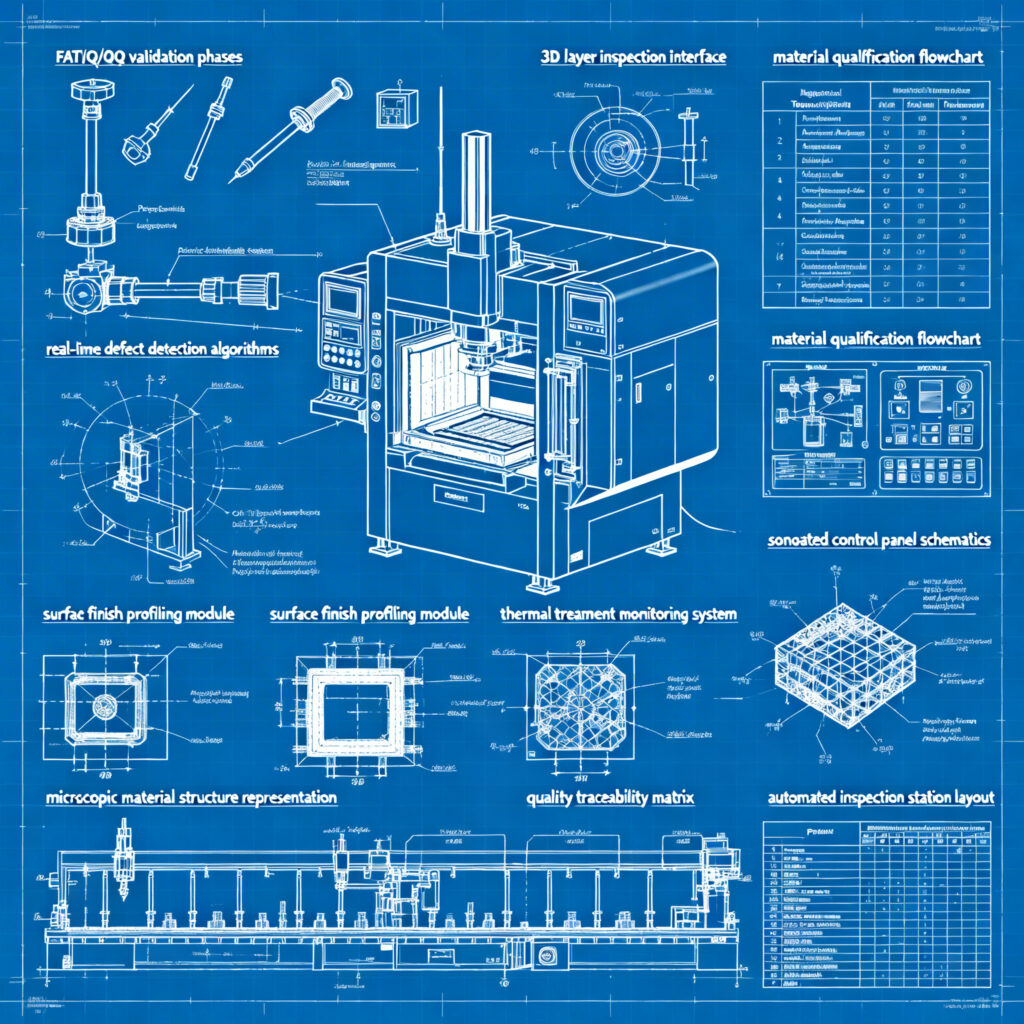
The article presents an operational plan to integrate innovations in mechanical testing and quality assurance in the advanced industry, particularly in metal additive production. The importance of qualifying feedstock, machinery, and production processes from the initial stages is emphasized to ensure reliability, traceability, and compliance in critical sectors such as aerospace and defense. Ve

Microscale Mechanical Analysis: How MultiScale Technology Revolutionizes Non-Destructive Testing

Microscale Mechanical Analysis: How MultiScale Technology Revolutionizes Non-Destructive Testing

Plastometrex's MultiScale technology revolutionizes non-destructive testing through microscale mechanical analysis. It enables the characterization of thin or complex components, with thicknesses up to 0.75 mm, without damaging them. Using indenters of different sizes and a spacing of 1.5 mm, it generates high-resolution maps of mechanical properties, revealing local variations invisible to the

Metamaterials in Nitinol for Medical Applications and Actuators: How Geometric Design Restores Superelasticity

Metamaterials in Nitinol for Medical Applications and Actuators: How Geometric Design Restores Superelasticity

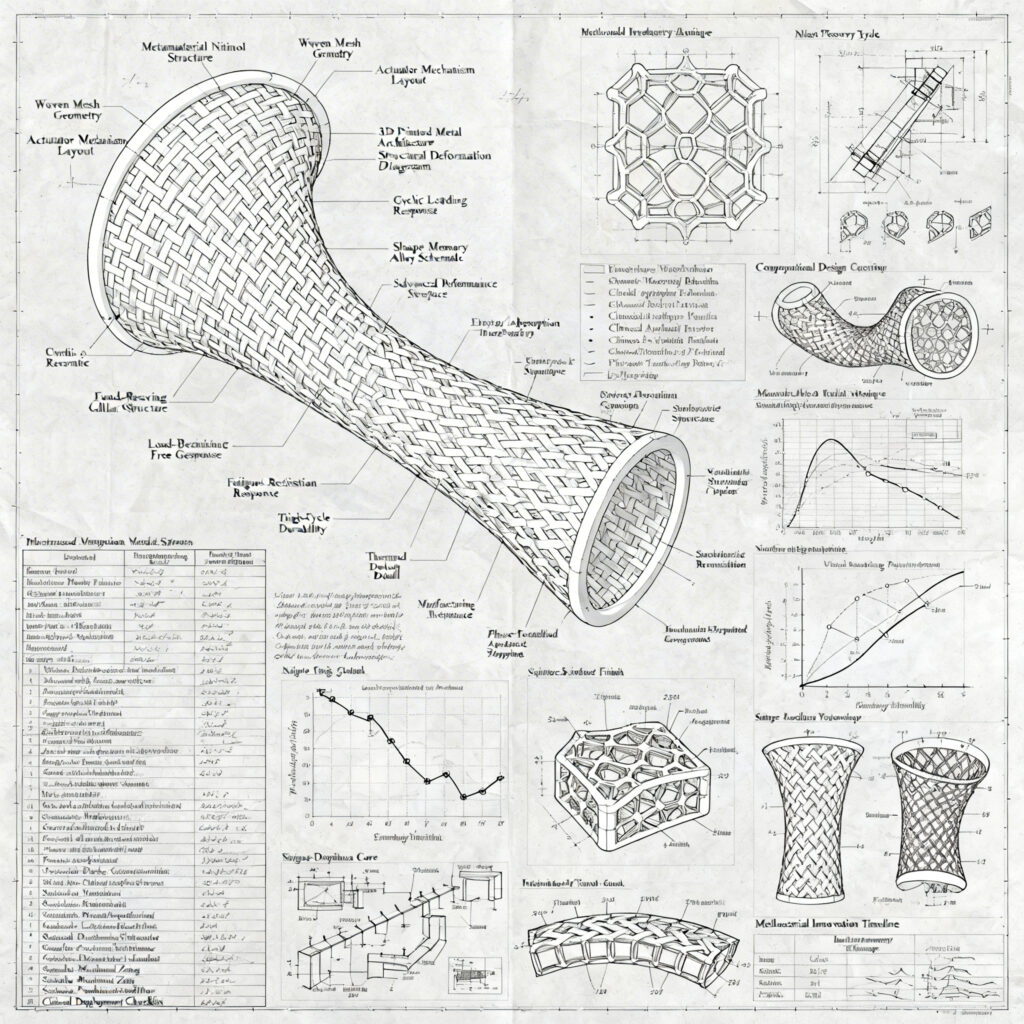
Researchers from IMDEA Materials Institute and UPM have developed metamaterials in 3D printed Nitinol with interwoven structures that restore superelasticity, overcoming the limits of traditional 3D printing. Thanks to geometries inspired by fabrics, it is possible to obtain advanced biomedical devices and smart actuators, opening new perspectives for clinical and engineering applications

Implementing Industrial Adoption of 3D Printing in Non-Traditional Sectors

Implementing Industrial Adoption of 3D Printing in Non-Traditional Sectors

Industrial adoption of 3D printing in non-traditional sectors, such as automation, robotics, and energy infrastructure, is growing thanks to structured operational plans. By integrating digital design, simulations, and rapid production, companies like Boston Dynamics and Siemens are optimizing products and processes, reducing costs, times, and the number of components.

How Large-Scale Directed Energy Deposition Works: Advanced Melt Pool Control and Precision in Deposition

How Large-Scale Directed Energy Deposition Works: Advanced Melt Pool Control and Precision in Deposition

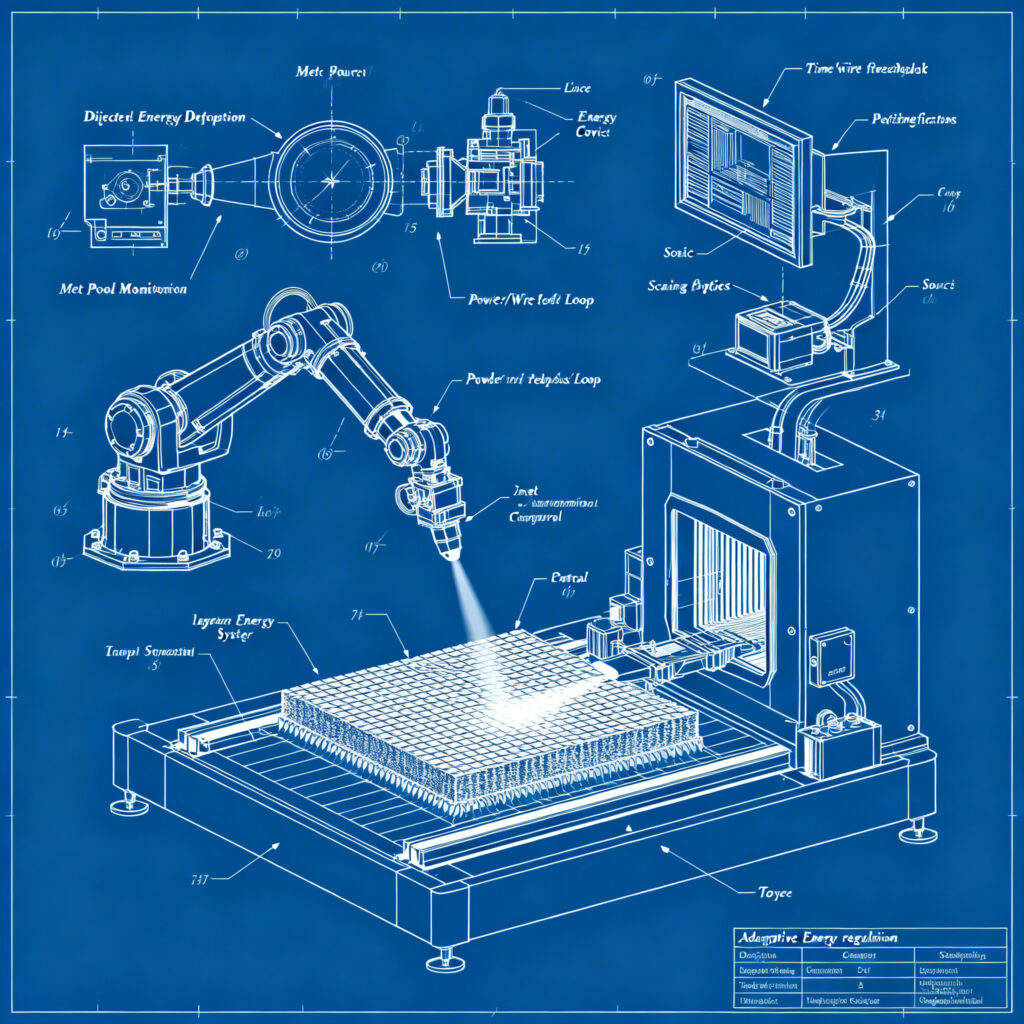
Large-scale Directed Energy Deposition utilizes real-time melt pool monitoring, targeted deposition, and dynamic modeling to ensure precision, metallurgical quality, and thermal control during the production and repair of large metal components.

How In-Process Metrology Works in Metal Additive Manufacturing

How In-Process Metrology Works in Metal Additive Manufacturing

In-process metrology in metal additive manufacturing enables precise measurement during production, ensuring repeatable and scalable quality. Unlike traditional monitoring, it provides quantitative and traceable data, reducing the reliance on costly post-process inspections. Technologies such as optical fringes allow for real-time 3D measurements, improving affi

/