Latest additive manufacturing news

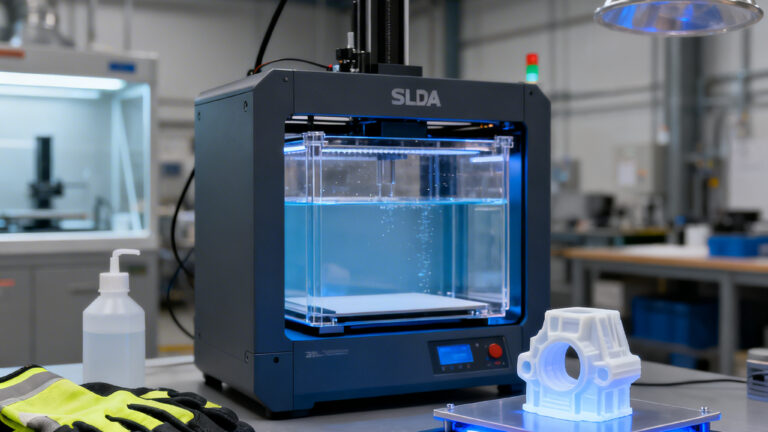
Industrial Scale and Large-Scale 3D Printing: Technologies, Challenges, and Advanced Applications

Industrial Scale and Large-Scale 3D Printing: Technologies, Challenges, and Advanced Applications

Industrial 3D printing scales volumes and speeds: SLA and FDM XXL, advanced materials, Industry 4.0 automation, and new frontiers in tooling, construction, and aerospace.

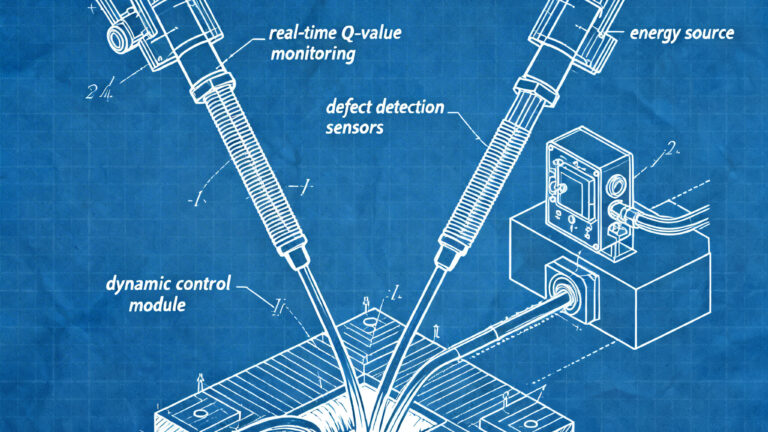
Expansion of Metal Additive Production: Technologies, Markets, and Future Prospects

Expansion of Metal Additive Production: Technologies, Markets, and Future Prospects

Metal additive manufacturing is growing thanks to new high-speed technologies and materials for extreme environments, with applications in aerospace, defense, energy and nuclear fusion. Goal: lighter, more efficient and certified components.

Investments in Industrial 3D Printing Infrastructure: Unprecedented Growth in 2026

Investments in Industrial 3D Printing Infrastructure: Unprecedented Growth in 2026

In 2026, record investments in industrial 3D printing: +51% hardware revenue, China boom +221%, defense and water infrastructure projects with CO₂ savings up to 501%.

Innovation in Progress: Events and Competitions in the 3D Printing Sector in 2026

Innovation in Progress: Events and Competitions in the 3D Printing Sector in 2026

2026 will be a key year for 3D printing: the AMUG in Reno (March 15-19) offers 150 technical sessions, competitions, awards, and courses on AI and industrial qualification, to update skills and build networks.

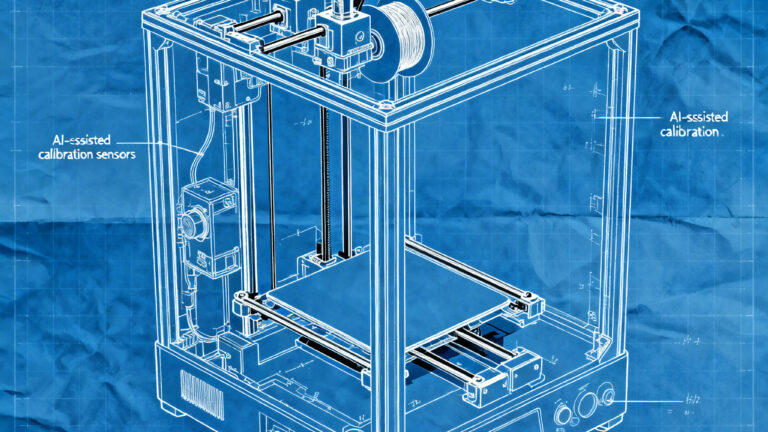
Complete 3D Printing Guide for Beginners: Everything You Need to Know

Complete 3D Printing Guide for Beginners: Everything You Need to Know

Essential guide to get started with 3D printing: choose an FDM printer, use PLA, set basic parameters, calibrate the bed, and proceed gradually to avoid errors and frustrations.

New Propulsion Technologies for Military Drones: Innovations Changing the Face of Defense

New Propulsion Technologies for Military Drones: Innovations Changing the Face of Defense

3D metal printing revolutionizes military drones: lighter, more efficient components certified for critical missions, reducing weight and operational costs.

Advances in metal and industrial 3D printing technologies

Advances in metal and industrial 3D printing technologies

3D metal printing: Gauss MT90 safe and compact, new Al alloys, holographic lithography for chips, automated Meshy workflow, recognition by USA as critical infrastructure.

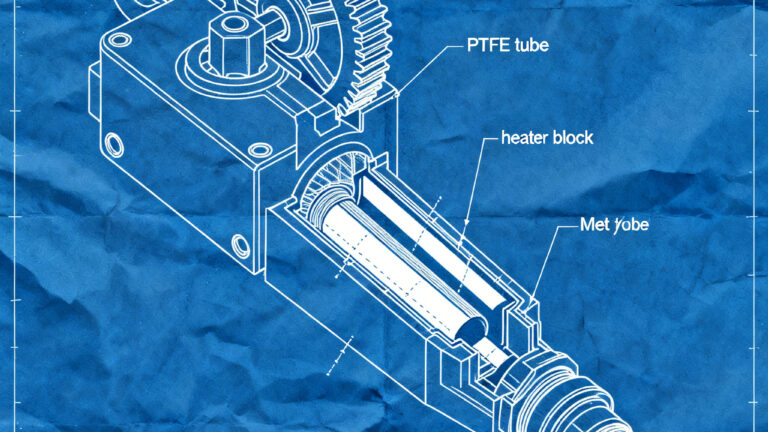
Specialized materials and filaments: advanced solutions for modern applications

Specialized materials and filaments: advanced solutions for modern applications

Hi-tech filaments: graphene-reinforced nylon at 60 MPa, fire-retardant and food-safe, drive the new era of professional 3D printing.

Integration of Artificial Intelligence in 3D Printing: Industrial Revolution in Progress

Integration of Artificial Intelligence in 3D Printing: An Industrial Revolution in Progress

AI and 3D printing merge: MeshyAI and Creality democratize production, accelerate industrial repairs, and reduce waste, but require new skills and regulations.

New materials for 3D printing filaments: innovations revolutionizing the industry

New materials for 3D printing filaments: innovations revolutionizing the industry

Graphene and open-source co-extrusion revolutionize 3D filaments: strengths up to 900 MPa, sustainability, and democratized access for industrial production.

Additive Manufacturing in Industry and Commerce: Revolution in Progress

Additive Manufacturing in Industry and Commerce: Revolution in Progress

3D Printing 2025: ceramics for hydrogen, recycled steel, CNC-AM hybrid. Reduces waste 97%, times 72h, costs 800€/kW. Challenges: regulations, certification, training.

The Architecture Revolution: How 3D Printing is Transforming the Construction Industry

The Architecture Revolution: How 3D Printing is Transforming the Construction Industry

La stampa 3D rivoluziona l’edilizia: case in 5 giorni, materiali che catturano CO₂ e costi ridotti. Progetti europei e militari dimostrano velocità, sostenibilità e adattabilità, ma norme e tecnologie sono ancora in evoluzione.

/