Large Scale Additive Manufacturing: Operational Playbook for the Industry
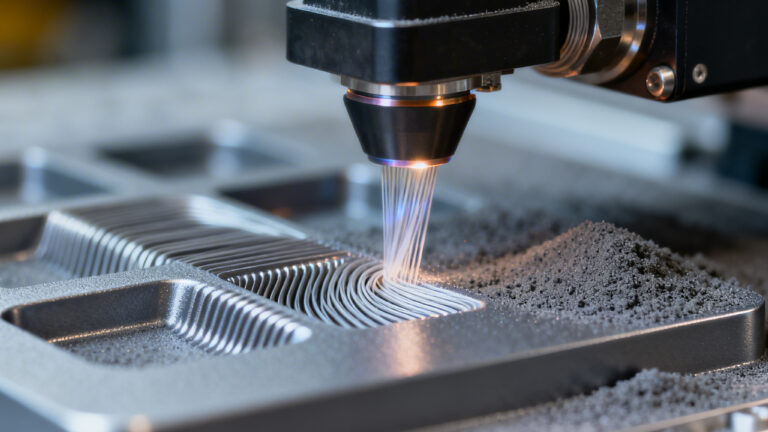
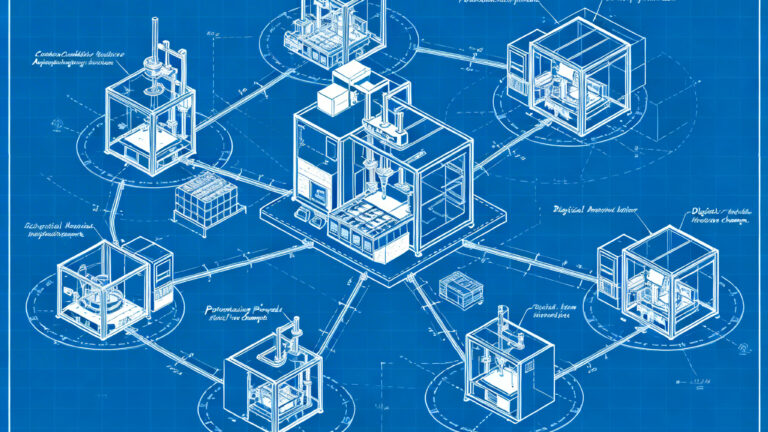
Industrial 3D printing is a reality: it requires gradual integration, advanced materials, digital workflows, and measured ROI to scale successfully.
Manufacturing Industrial 3D printing is a reality: it requires gradual integration, advanced materials, digital workflows, and measured ROI to scale successfully.
Maker 3D scanning transforms real objects into editable and printable digital models, accelerating reverse engineering and production with precision up to 50 µm.
Innovations How Software is Redefining Value in Additive Hardware In the 3D printing industry, it's no longer the hardware that makes the difference, but the software that makes it intelligent. While the technical specifications of macch…
Innovations How 3D Printing Transforms Product Innovation: Speed, Materials, and Digital Collaboration 3D printing is not just an emerging technology: it is a tool that is redefining the early stages of innovation in...
Maker Zortrax M300 Plus (3.990 $) is plug-and-play for those who want immediate reliability; Formbot Troodon 2.0 (1.049 $) offers record volume and temperatures but requires DIY calibration and maintenance. Choose based on your time, not just the price.
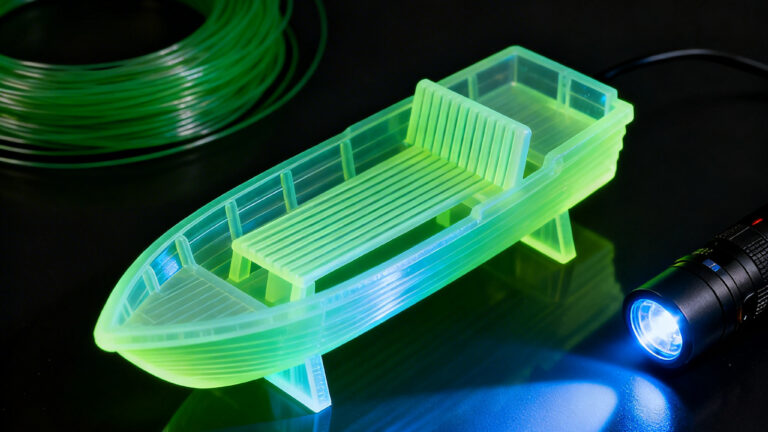
Manufacturing Operational guide for automating industrial post-processing: scalable technologies to reduce costs, maintain mechanical properties, and scale additive production.
Innovations Carnegie Mellon leads the $28.5 million LIVE project to print temporary liver tissue: a “biological bridge” that supports the liver in regeneration, avoids transplantation, and reduces waiting lists within 5 years.
Manufacturing Two new patents bring 3D printing to shoe factories: soles up to 30% lighter thanks to optimized structures and multi-layer uppers without seams, customizable to measure. Production expected within 2-5 years.
Maker In 2026, few home 3D printers truly offer innovation: Bambu Lab focuses on modularity and speed, Prusa on an open ecosystem, but speed, materials, and real costs need to be verified beyond the hype.
Manufacturing Industrial mass customization leverages 3D printing and AI to produce customized components at competitive costs, transferring flexibility from consumer to B2B and reducing times and waste.
Manufacturing AI revolutionizes 3D printing: real-time monitoring, automatic CAD-scan alignment, and predictive analysis reduce waste, time, and costs, making additive production scalable and competitive.
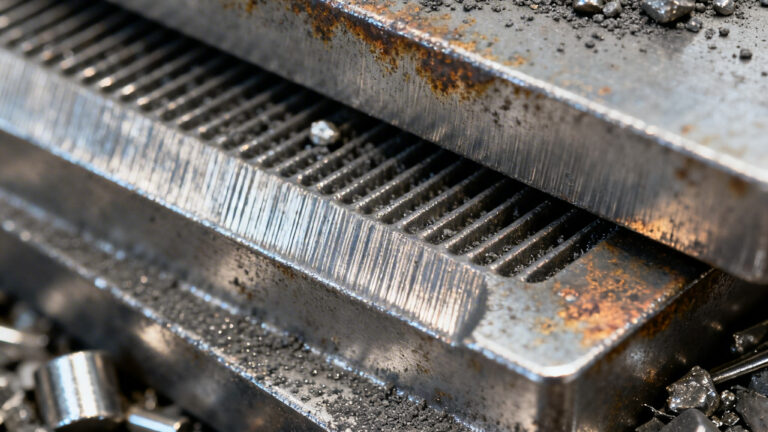
Tutorial 3D post-processing failures cause scrap and costs. Identifying causes (washing, curing, finishing) and applying visual/metrology diagnostics reduces errors, optimizes processes, and cuts scrap.