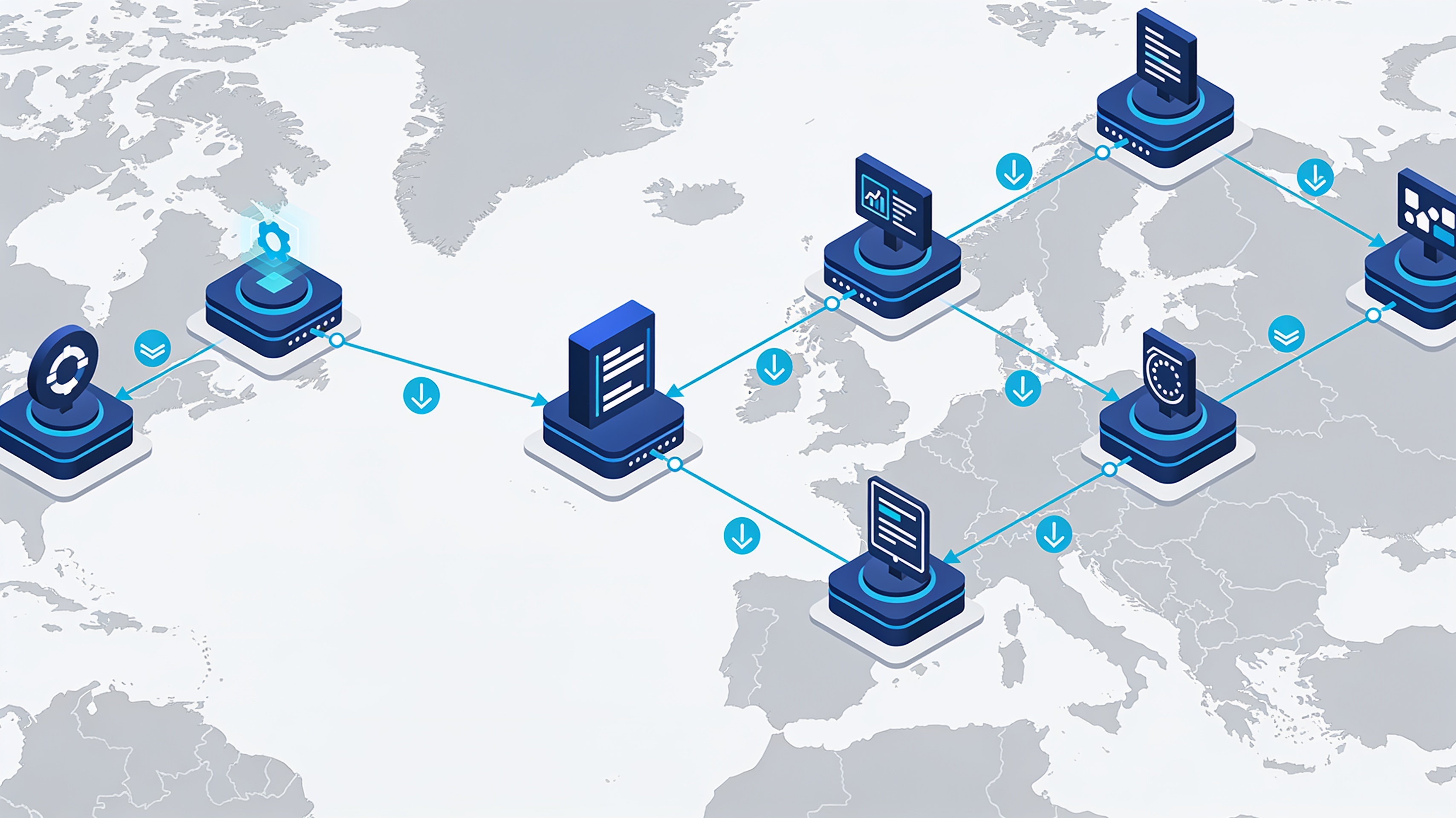
Materialise calls for a coordinated European network for additive manufacturing in defense
The Belgian company Materialise has launched an appeal to European manufacturers and governments during the AM Innovation and Standards summit at Formnext 2026. The goal is to create a coordinated industrial network that mobilizes the additive manufacturing capacities already present in Europe for the defense sector.
According to Bart Van der Schueren, Chief Strategy and Technology Officer at Materialise, Europe already has significant skills, technologies and production capacities. The problem is the lack of coordination to transform these resources into a strategic production capacity for defense.
- Materialise proposes a distributed AM production network for European defense
- A common framework is needed for standards, qualification and security among countries
- AM must be integrated as a scalable production capacity, not only for emergency spare parts
The coordination challenge
Europe has the technological resources but lacks integration across companies and national borders.
“Europe already has the skills, technology and production capacity to strengthen its defense production capacities,” said Van der Schueren. “The challenge is to connect these resources and make them available as a coordinated industrial network.”.
The appeal calls for concrete actions from both industry and policymakers. The goal is to build production capacity that responds not only to current needs, but also to the speed at which technology evolves in the defense sector.
Two strategic pillars
Materialise identifies two priority areas of intervention to unlock the potential of additive manufacturing.
The first pillar concerns defense manufacturers. Materialise suggests recognizing the potential of AM as a flexible, scalable, and rapidly adaptable production capacity. The traditional approach that treats 3D printing primarily as a solution for isolated spare parts or supply chain emergencies must be overcome.
The second pillar involves governments and European institutions. They must establish a common framework that allows AM capacities to operate beyond company and national borders.
A distributed production network requires shared approaches to standards, qualification, security, and digital production processes in order to function effectively.
Standards and regulatory harmonization
The creation of shared frameworks is essential to transform isolated capacities into a reliable network.
Materialise emphasizes the need for greater harmonization in export control regulations. This element is crucial to connect individual production resources into a reliable distributed production network.
Shared standards must cover process qualification, data security, and digital production workflows. Without these common elements, AM capacities will remain fragmented and impossible to mobilize quickly.
Adaptive production for defense
Additive manufacturing offers unique strategic advantages for responding to the evolving needs of the defense sector.
The speed of technological evolution in the defense sector requires production capabilities that can adapt quickly. Additive manufacturing meets this need better than traditional methods.
A coordinated network would make it possible to distribute production geographically, increasing resilience. In case of need, capabilities could be mobilized across national borders while maintaining the required quality and safety standards.
Materialise's participation at the Formnext 2026 summit represents an attempt to focus attention on a strategic issue. However, the proposal requires political will and industrial collaboration to become an operational system.
article written with the help of artificial intelligence systems
Q&A
What did Materialise propose at the AM Innovation and Standards summit at Formnext 2026?
Materialise called on European manufacturers and governments to create a coordinated industrial network that mobilizes the additive manufacturing capabilities already present in Europe for the defense sector. The goal is to transform today's isolated resources into a strategic production capability.
What is the main problem according to Bart Van der Schueren of Materialise?
According to Van der Schueren, Europe already has significant expertise, technologies and production capacity for defense. The problem is the lack of coordination that prevents these resources from being transformed into an effective industrial network.
What are the two strategic pillars indicated by Materialise?
The first pillar concerns defense manufacturers, who must recognize AM as a flexible and scalable production capability, moving beyond its limited use for emergency spare parts. The second involves European governments and institutions, called upon to establish a common framework to operate across company and national borders.
Why is regulatory harmonization important for the European AM network?
Materialise emphasizes the need for greater harmonization in export control regulations. This is crucial to connect individual production resources into a distributed and reliable production network.
What elements does a distributed AM production network require to function?
A distributed production network requires shared approaches to standards, qualification, security and digital production processes. Without common frameworks, capabilities remain isolated and cannot operate as a coordinated network.