OpticalShift: dynamic optical effects for extruded 3D printing
Grayson Carpenter, developer of the CMYKForge software, has launched a new project called OpticalShift. The software promises to add optical effects that change depending on the viewing angle to 3D prints made by material extrusion.
The goal is to create printed works that appear almost realistic, with colors that change when the observer moves. The project is currently in the research and internal testing phase.
From multicolor printing to holographic effects
Carpenter evolves his approach to translucent materials, moving from CMYK mixing to dynamic optical effects based on surface geometry.
CMYKForge, Carpenter's previous project, transforms images into multicolor 3D prints using translucent materials and color science principles. The system mixes colors without requiring multiple printheads.
OpticalShift represents an evolution. The original idea comes from 3D Print Bunny, which wanted to create printed artworks with optical effects that vary with movement.
- OpticalShift creates optical effects that change with the viewing angle
- It uses micro-ridges on the printed surface to control light reflection
- Combines tilt effects with CMYK mixing
- Requires translucent materials and specific geometries
How the technology works
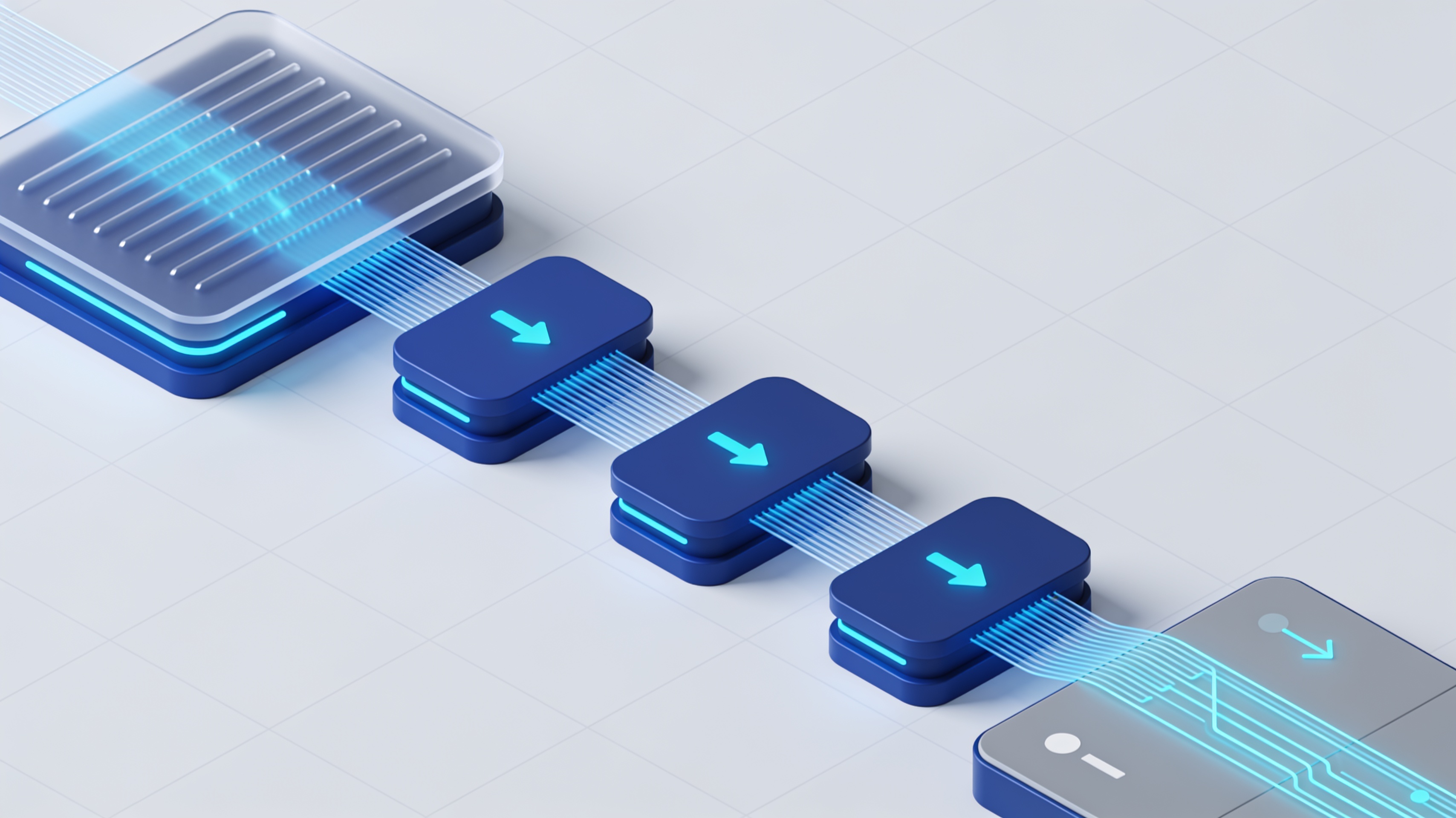
The system uses surface micro-geometries to manipulate light reflection, creating images that change dynamically.
OpticalShift uses small ridges in the printed surface to control how light is reflected. This makes it possible to create images and colors that change depending on the viewing angle.
Colors can become lighter or darker. Carpenter explains that the system “combines a tilt effect with CMYK color mixing, so prints appear almost realistic, even though they are not.”.
To achieve this result, Carpenter is building a new 3D viewer. The software aligns the model’s geometry with the way it is perceived from different angles.
OpticalShift does not create true holograms, but optical effects. The effect can disappear if the viewing angle changes too much.
Limitations and realistic expectations
Carpenter takes a transparent approach to technical limitations, avoiding excessive promises and clearly defining the technology’s constraints.
Not all shapes will work with OpticalShift. The detail of the ridges depends on nozzle size, layer height, and the material used. Results will vary between different machines.
Carpenter is clear about the goals: “My aim is prints that appear almost realistic. I will not claim photographic realism.”.
This transparent management of expectations distinguishes the project from many other initiatives in the field.
Open development model
The project follows a public research approach, with progressive documentation and community involvement before commercial launch.
Initially conceived as a research project, OpticalShift will be released more widely later. Carpenter intends to publish the development methods, research articles, tracking data, and the terminology developed to better define how it works and its capabilities.
This “open research” model aims to build support gradually and fund the project as it progresses.
Partnerships for testing
Carpenter is assembling a panel of companies to validate the software on different hardware platforms and materials.
The developer is seeking partners to test the software, including 3D printer and filament companies. It is currently collaborating with Protopasta, Biqu, CMYKForge, 3D Prints by Vic, and HueForge.
The plan includes initial internal tests, with printing of samples compared with the results predicted by the software engine. Subsequently, the project will move to a public test panel.
Development process
- Engine construction: Development of the 3D viewer and geometric alignment algorithms.
- Internal tests: Printing of samples and comparison with expected results.
- Public test: Involvement of industrial partners for validation on different platforms.
- Release: Publication of the software with complete documentation.
Outlook for additive manufacturing
Dynamic optical effects could open new applications in design, art, and visual prototyping.
OpticalShift represents an interesting evolution for material extrusion 3D printing. The ability to create dynamic visual effects without additional electronic or mechanical components could find applications in design, art, packaging, and prototyping.
Success will depend on the software's ease of use and the reproducibility of results across different hardware platforms. Collaboration with material and printer manufacturers will be crucial to standardize process parameters.
article written with the help of artificial intelligence systems
Q&A
What is OpticalShift and who develops it?
OpticalShift is a software project developed by Grayson Carpenter, already the author of CMYKForge. It promises to add optical effects to extrusion 3D prints that change depending on the viewing angle. It is currently in the research and internal testing phase.
How does OpticalShift work technically?
The system uses small ridges on the printed surface to control light reflection. This allows the creation of images and colors that change depending on the viewing angle. Carpenter is building a 3D visualizer that aligns the model's geometry with the perception from different angles.
What is the difference between OpticalShift and CMYKForge?
CMYKForge transforms images into multicolor 3D prints using translucent materials and CMYK mixing without multiple printheads. OpticalShift represents an evolution: it combines a tilt effect with CMYK color mixing to achieve prints that appear almost realistic.
Does OpticalShift create true holograms?
No, OpticalShift does not create true holograms but optical effects. The effect can disappear if the viewing angle changes too much. It is a manipulation of light reflection through surface micro-geometries, not holography.
What are the limitations of OpticalShift?
Not all shapes will work with OpticalShift. The detail of the ridges depends on the nozzle size, layer height, and the material used. Results vary across different printing configurations.