Metal FFF Optimization: From Printing to Sintering for Precision Metal Components
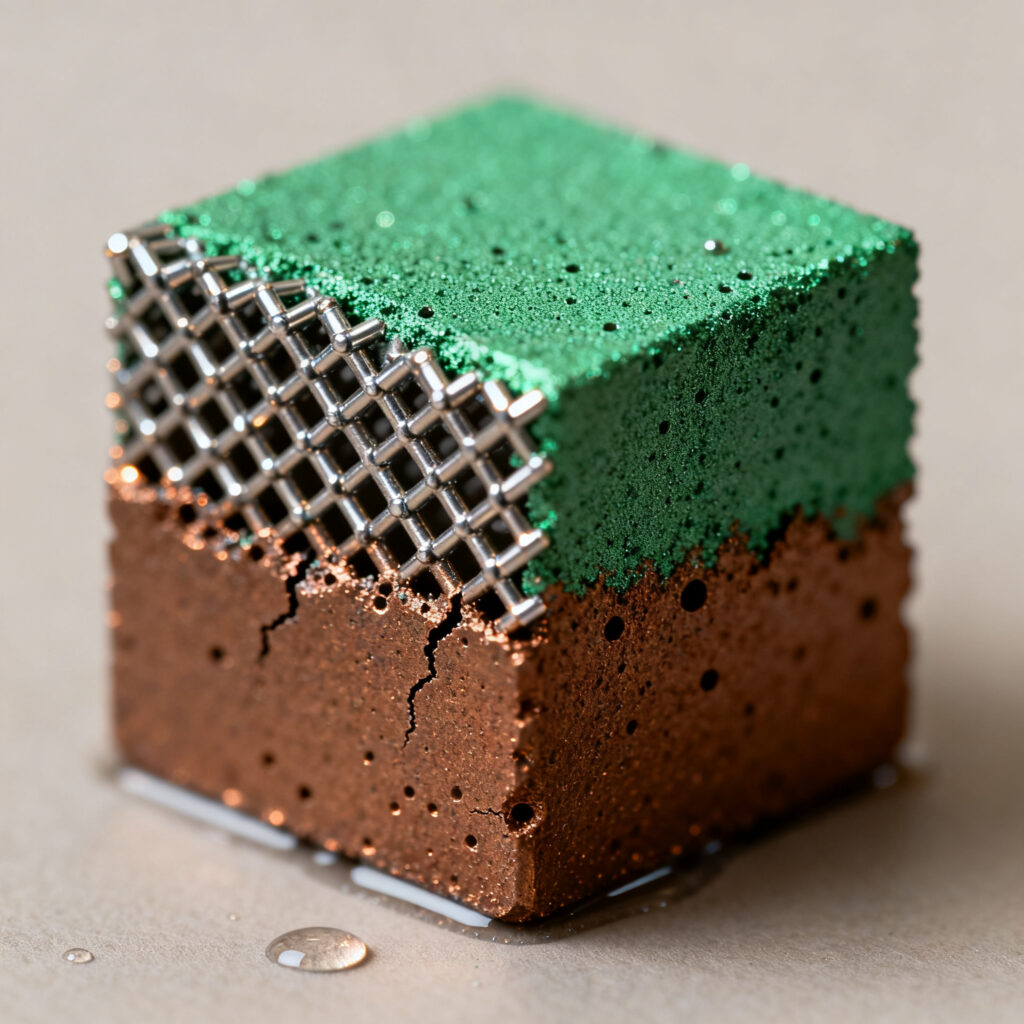
Metal FFF: safe 3D printing with metal filaments, washing and sintering for dense and complex components without loose powders.

 Manufacturing
 Metal FFF: safe 3D printing with metal filaments, washing and sintering for dense and complex components without loose powders.
 Manufacturing
 Additive manufacturing is revolutionizing automotive and heavy industry: new materials, cloud-native CAD, AI, and digital traceability enable flexible batches and resilient supply chains.
 Manufacturing
 In 2026, industrial automation focuses on cyber-physical systems, predictive AI, digital twins, and cobots for flexible, safe, and data-driven production flows, overcoming the limitations of traditional lines.
 Maker
Maker Practical guide to software development and open source repository for 3D printing: formats, slicing, security, versioning, and cloud and industrial integration.
 Innovations
 Cornell prints 3D concrete on the seabed using marine sediments: lower costs, zero transport, autonomous robots and reduced environmental impact for sustainable infrastructure.
 Manufacturing
 Multi-material 3D printing: a single part with rigid, flexible, conductive zones. Innovations from Bambu to Stratasys, automotive-aerospace applications, open-source software, and US investments toward mass production.
 Manufacturing
 Automation and AI in 3D pipelines: from Ergono3D to Velo3D, printing costs and times are reduced, including qualification and cybersecurity.
 Manufacturing
 Smart filaments with optical fibers, Creality domestic recycling, and IoT software are revolutionizing 3D printing: less waste, higher performance, and quality traceability.
 Manufacturing
 Industry 4.0: 3D printing, AI, digital twin, and robotics merge into open ecosystems, transforming production, supply chains, and skills.
 Manufacturing
 In 2026, additive manufacturing exits the pilot phase: aerospace, automotive, data centers, and oil & gas adopt it into true production, but slowly. The winner integrates processes, not just sells machines.
 Manufacturing
 AI transforms engineering by shifting value from execution to strategic judgment. If the growth path for young engineers is not redesigned, there is a risk of a “skills cliff” and a dangerous concentration of responsibility.
 Manufacturing
 Industry 4.0: 3D printing, rigorous qualification, and sustainability reduce the costs and times of large-scale production.