Optimization of Metal FFF: From Printing to Sintering for Precision Metal Components
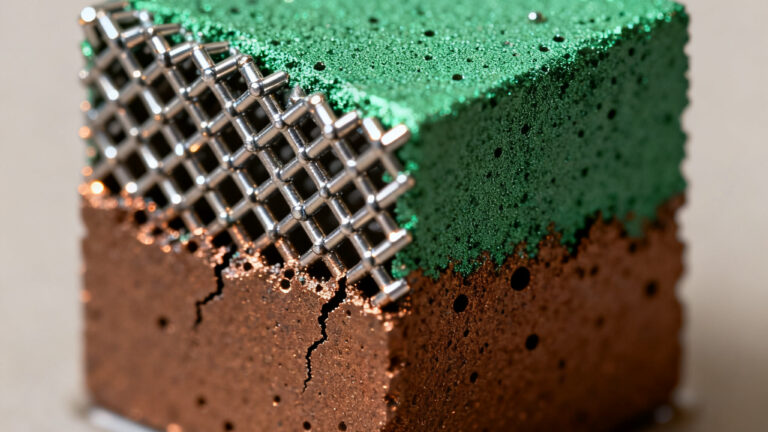
Metal FFF: safe 3D printing with metal filaments, washing and sintering for dense and complex components without loose powders.

 Manufacturing
 Metal FFF: safe 3D printing with metal filaments, washing and sintering for dense and complex components without loose powders.
 Manufacturing
 Formnext 2026 and major fairs show mature additive manufacturing: large parts, AI, IoT, and concrete cases in aerospace, healthcare, and defense for productivity and certain ROI.
 Manufacturing
 Industrial 3D printing grows beyond 20% annually, moving from 40 to 250 billion dollars by 2035. Automation, aerospace, and defense adopt it for critical parts, cutting costs and times. Challenges: scalability, regulations, skills.
 Manufacturing
 Additive manufacturing is revolutionizing automotive and heavy industry: new materials, cloud-native CAD, AI, and digital traceability enable flexible batches and resilient supply chains.
 Manufacturing
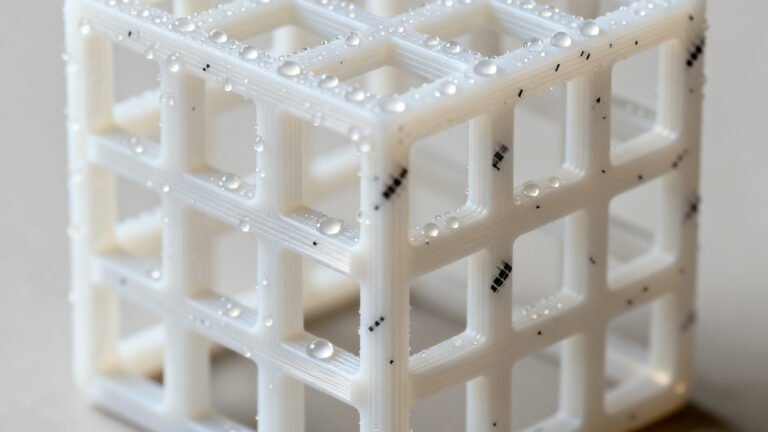
 Accessories and post-processing techniques transform 3D printing into professional production: automated washing, chemical smoothing, polymerization, and coloring guarantee industrial-quality finishes on every material.
 Manufacturing
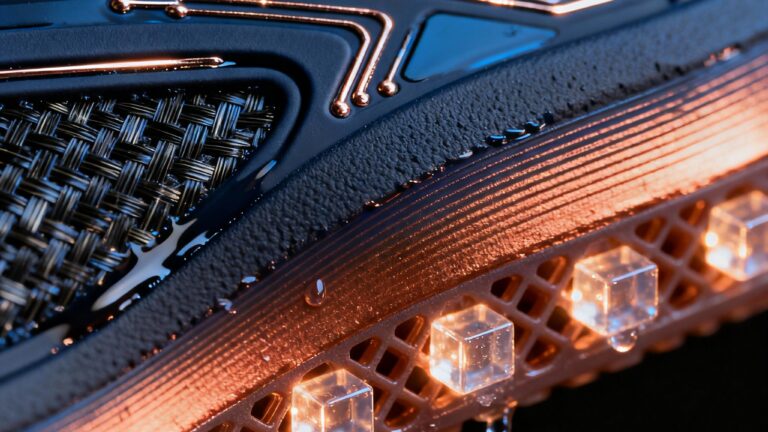
 In 2026, industrial automation focuses on cyber-physical systems, predictive AI, digital twins, and cobots for flexible, safe, and data-driven production flows, overcoming the limitations of traditional lines.
 Manufacturing
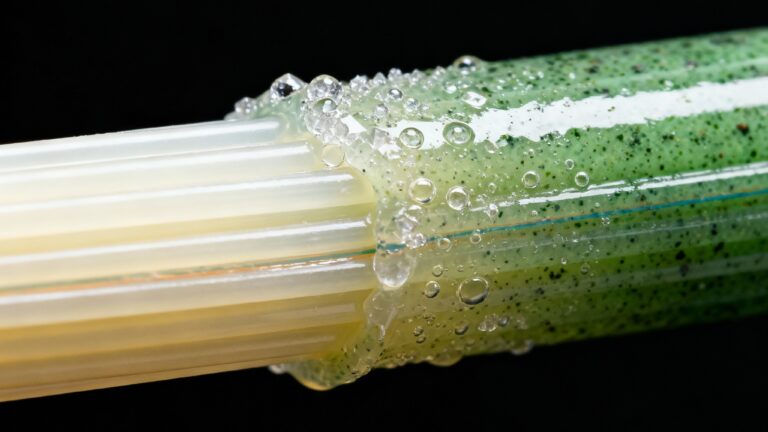
 Multi-material 3D printing: a single part with rigid, flexible, conductive zones. Innovations from Bambu to Stratasys, automotive-aerospace applications, open-source software, and US investments toward mass production.
 Manufacturing
 Bio-based and recycled polymers revolutionize the industry: LFAM and SLS enable sustainable high-performance components, but standards and precise control of material transitions are needed to scale.
 Manufacturing
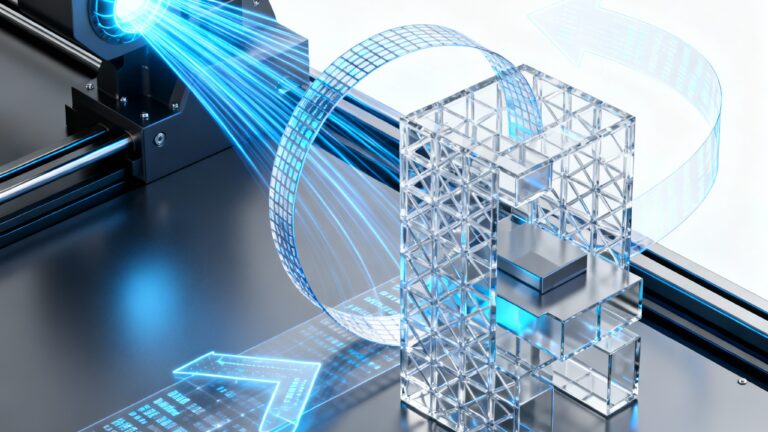
 In 2026, 4.0 automation integrates AI, IoT, and flexible robotics for end-to-end production chains. Scalability, traceability, and hybrid skills are essential for competitiveness.
 Manufacturing
 Automation, sensors, and AI are transforming 3D printing into efficient production: fewer supports, in-house recycling, real-time monitoring, and intelligent software for optimized workflows.
 Manufacturing
 Additive manufacturing 2026 is mature: advanced materials, AI and digital twin enable serial production in aerospace, automotive and medical. Challenge: scaling with cloud software, widespread skills and rigorous standards.
 Manufacturing
 Automation and AI in 3D pipelines: from Ergono3D to Velo3D, printing costs and times are reduced, including qualification and cybersecurity.