Settore Industriale: Aerospace

In-Process Inspection for Metal 3D Printing: How Calibrated Measurement-Based Quality Control Works

In-Process Inspection for Metal 3D Printing: How Calibrated Measurement-Based Quality Control Works

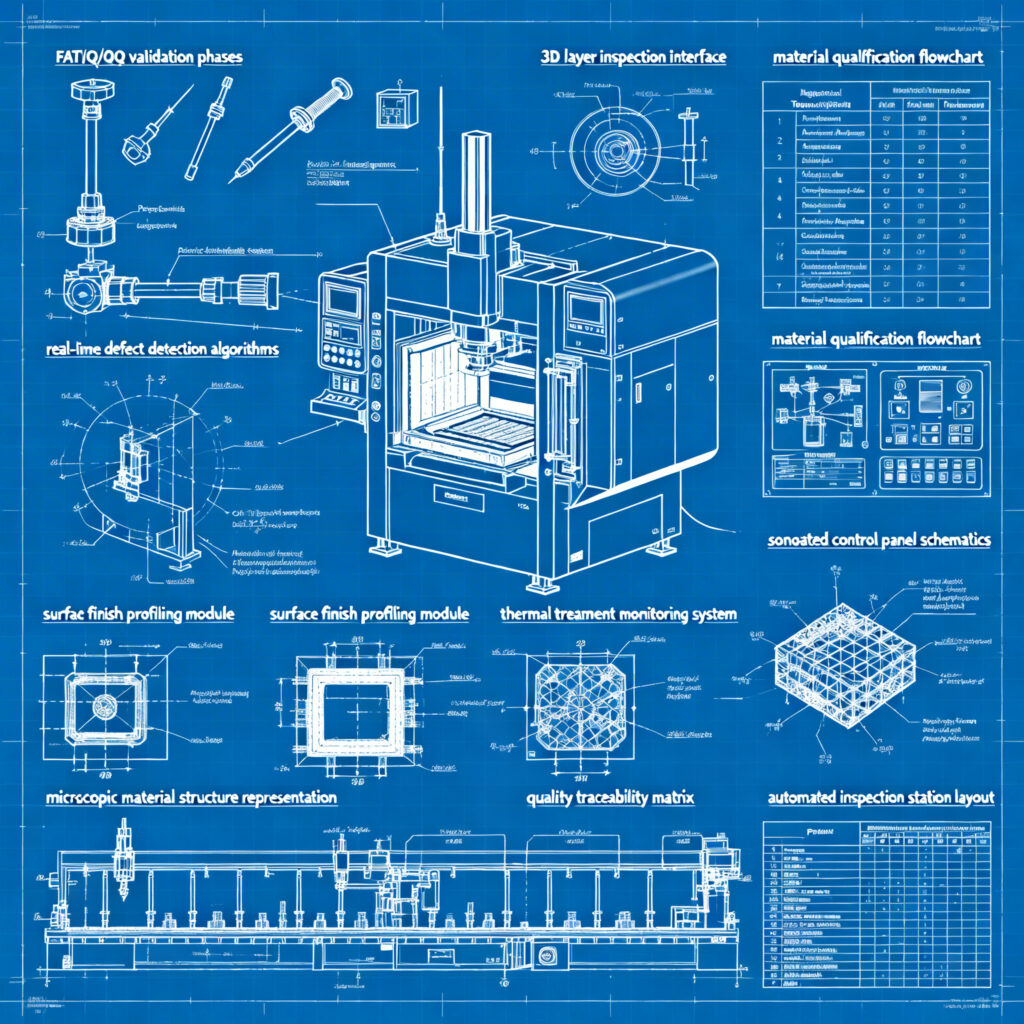
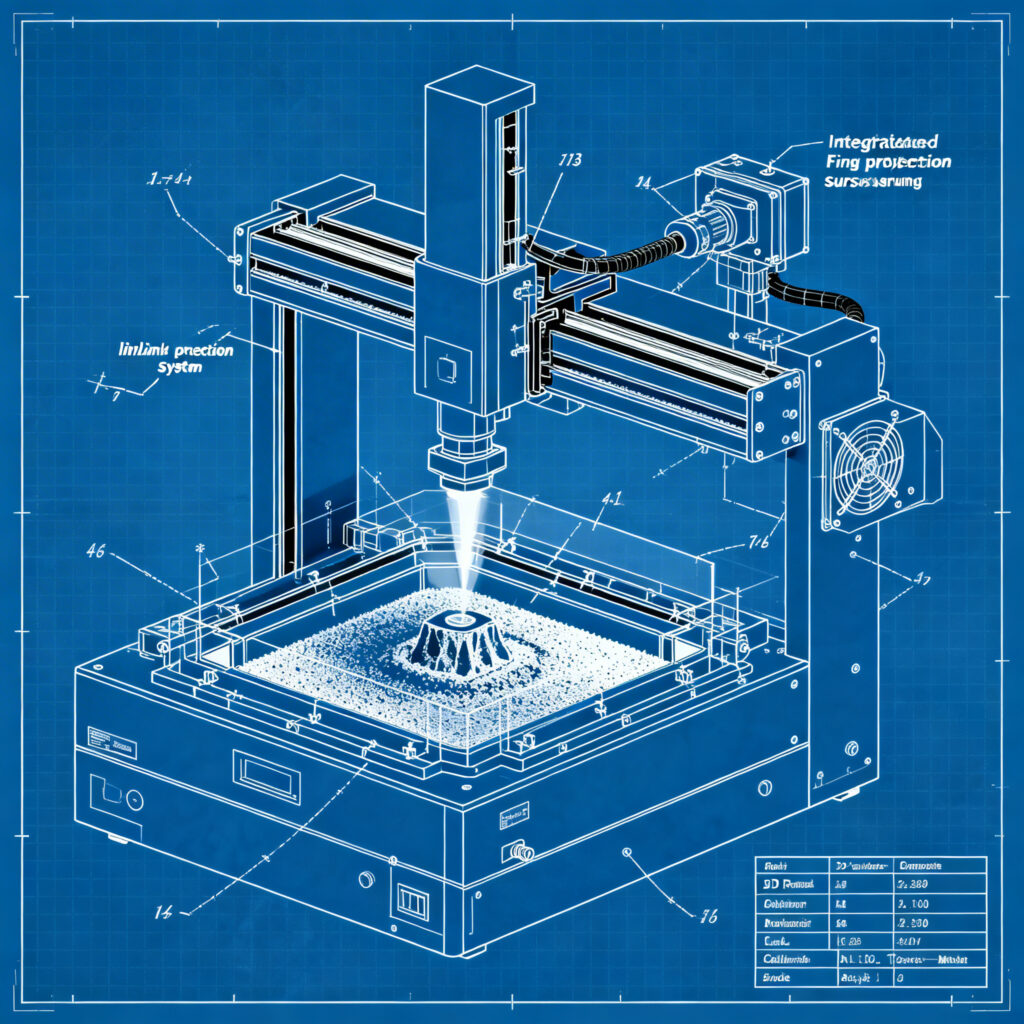
In-process inspection based on calibrated measurements is revolutionizing quality control in metal 3D printing, replacing expensive post-production checks with precise, proactive monitoring during the process. Technologies like structured light fringe projection allow for real-time measurement of critical parameters such as layer thickness and surface roughness, mi
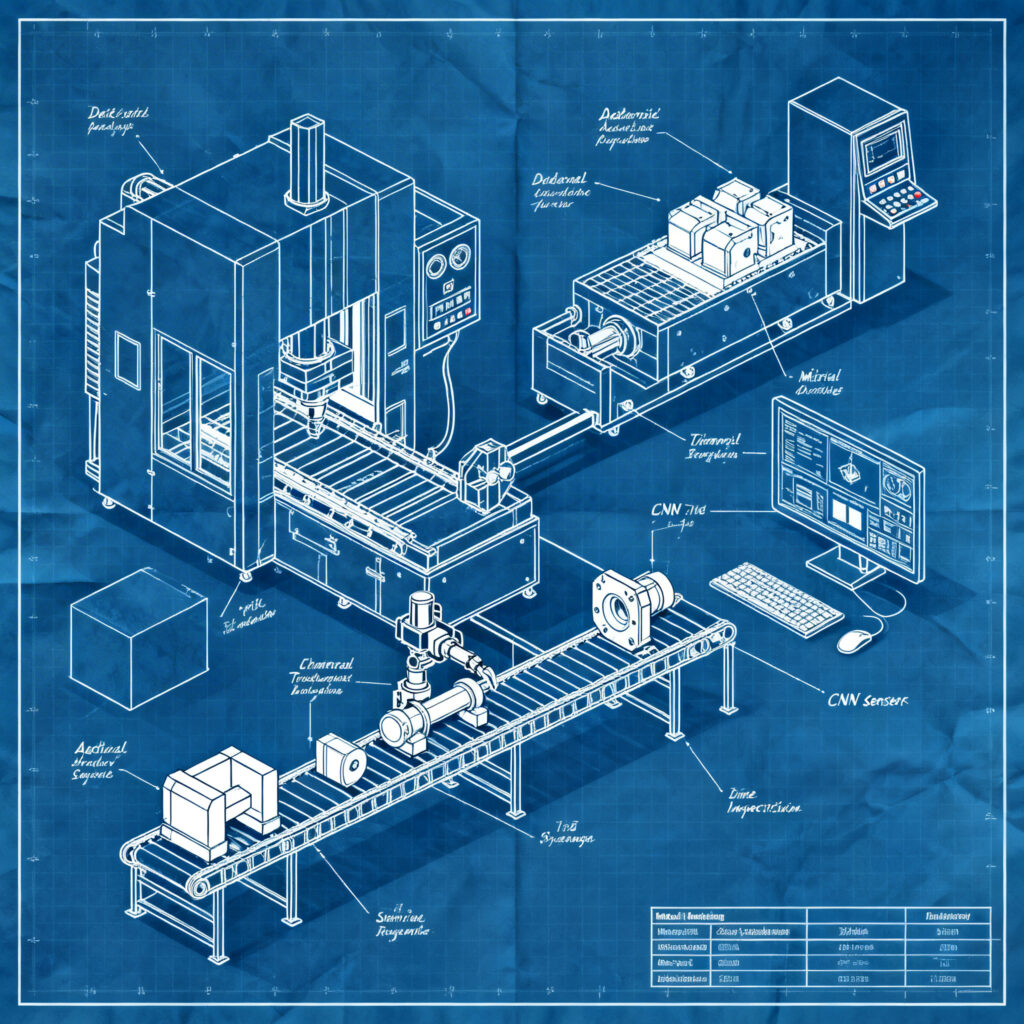
Ultrafast and High Precision in Industrial Additive Processes: How It Really Works

Ultrafast and High Precision in Industrial Additive Processes: How It Really Works

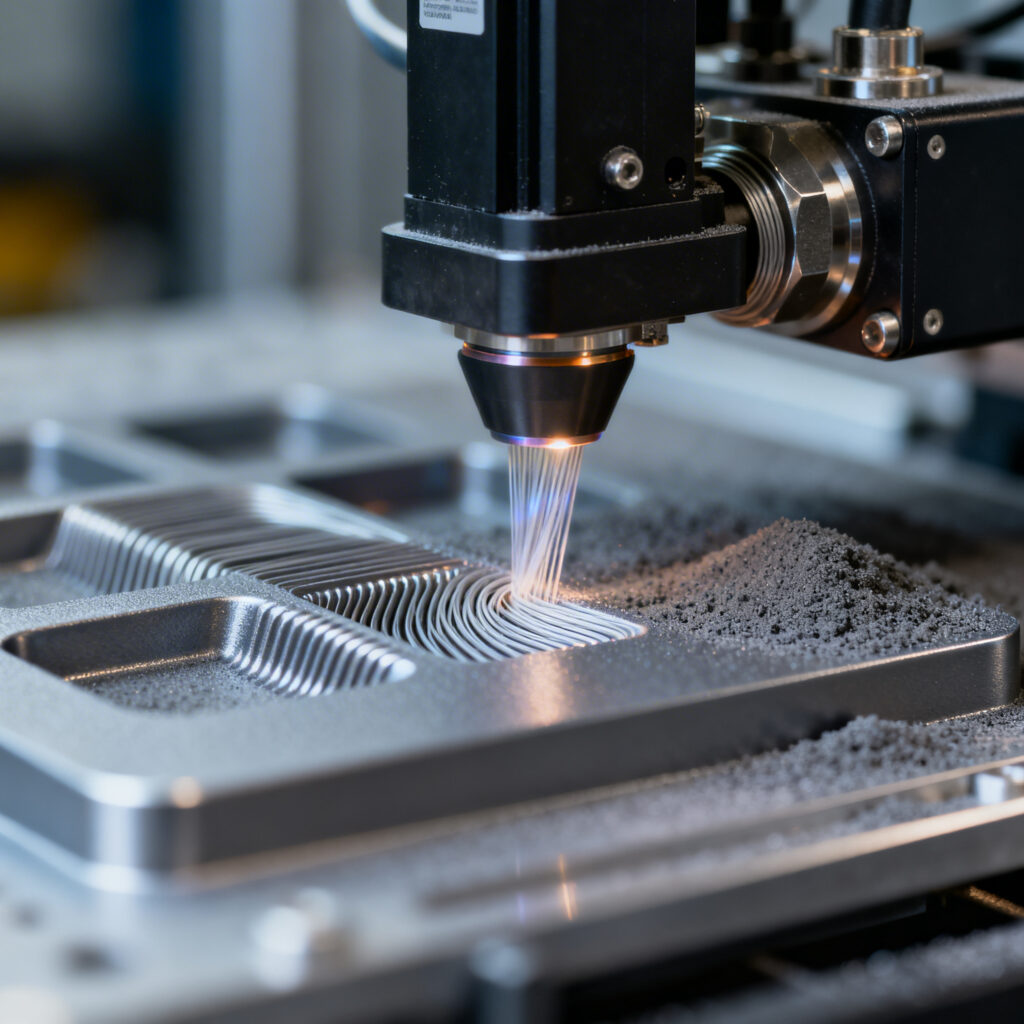
Industrial additive manufacturing today combines speed and precision thanks to advanced technologies such as multi-laser, AI and automated post-processing. Systems like SSLM and TVAM drastically reduce production times while maintaining high quality. High-performance materials – technical polymers, metal alloys and composites – expand applications. Automation in vapor smoothing and depowdering m

Post-Prototype Operational Models in the Advanced Metal Industry

Post-Prototype Operational Models in the Advanced Metal Industry

The advanced metal industry is evolving towards integrated production systems, where every stage of production collaborates in real time. Overcoming the traditional model of isolated departments, a connected architecture emerges that unifies additive, machining, heat treatment, and inspection. This approach reduces inefficiencies, improves stability and productivity, and enables a rapid response p

Sustainability in Industrial 3D Printing: Understanding Environmental and Technological Trade-offs

Sustainability in Industrial 3D Printing: Understanding Environmental and Technological Trade-offs

Industrial 3D printing can reduce environmental impact, but it requires strategic choices on materials, energy efficiency and life cycle management. Although it offers advantages such as less waste and simplification of the supply chain, the real benefit depends on sustainable feedstocks, efficient processes and recovery policies. Studies show that the use of recycled material and energy sources

Implementing Innovations in Mechanical Testing and Quality Assurance: An Operational Plan for Advanced Industry

Implementing Innovations in Mechanical Testing and Quality Assurance: An Operational Plan for the Advanced Industry

The article presents an operational plan to integrate innovations in mechanical testing and quality assurance in the advanced industry, particularly in metal additive production. The importance of qualifying feedstock, machinery, and production processes from the initial stages is emphasized to ensure reliability, traceability, and compliance in critical sectors such as aerospace and defense. Ve

Microscale Mechanical Analysis: How MultiScale Technology Revolutionizes Non-Destructive Testing

Microscale Mechanical Analysis: How MultiScale Technology Revolutionizes Non-Destructive Testing

Plastometrex's MultiScale technology revolutionizes non-destructive testing through microscale mechanical analysis. It enables the characterization of thin or complex components, with thicknesses up to 0.75 mm, without damaging them. Using indenters of different sizes and a spacing of 1.5 mm, it generates high-resolution maps of mechanical properties, revealing local variations invisible to the

How Large-Scale Directed Energy Deposition Works: Advanced Melt Pool Control and Precision in Deposition

How Large-Scale Directed Energy Deposition Works: Advanced Melt Pool Control and Precision in Deposition

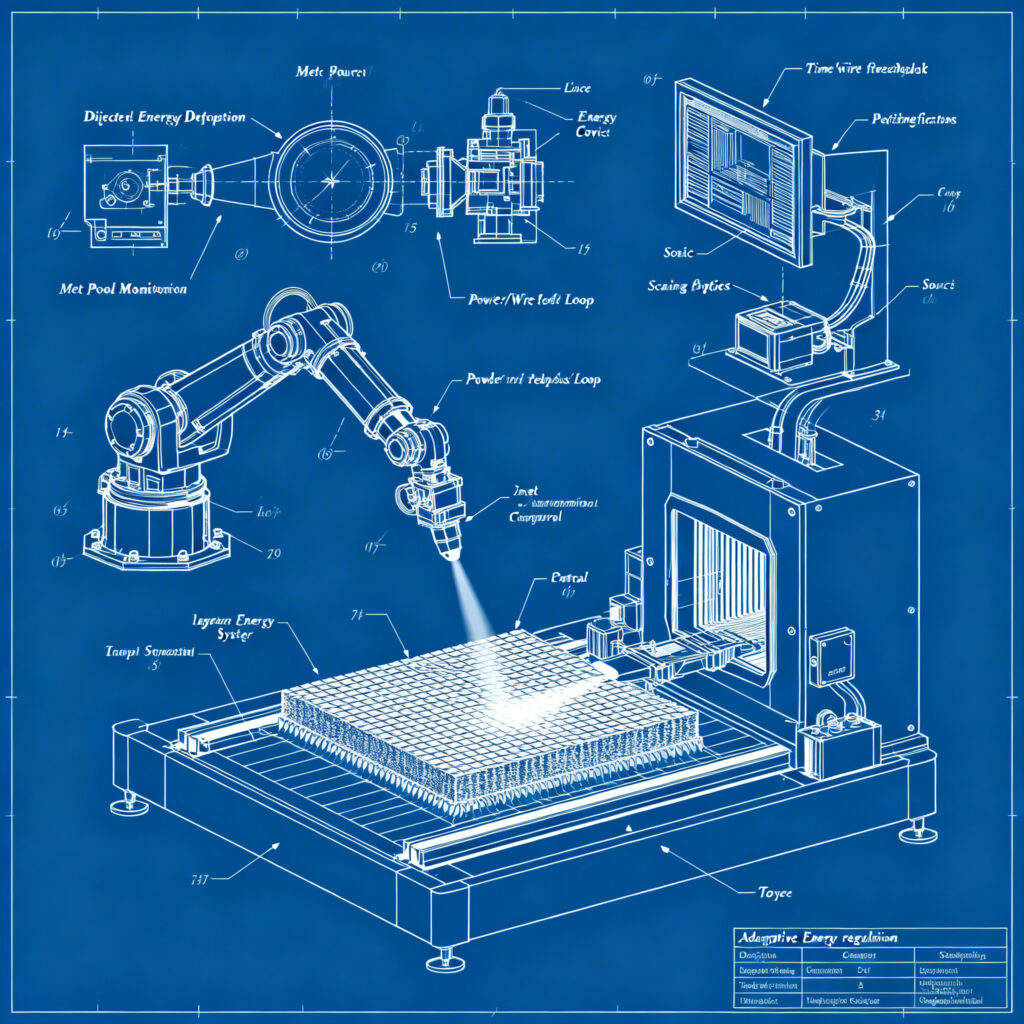
Large-scale Directed Energy Deposition utilizes real-time melt pool monitoring, targeted deposition, and dynamic modeling to ensure precision, metallurgical quality, and thermal control during the production and repair of large metal components.

How In-Process Metrology Works in Metal Additive Manufacturing

How In-Process Metrology Works in Metal Additive Manufacturing

In-process metrology in metal additive manufacturing enables precise measurement during production, ensuring repeatable and scalable quality. Unlike traditional monitoring, it provides quantitative and traceable data, reducing the reliance on costly post-process inspections. Technologies such as optical fringes allow for real-time 3D measurements, improving affi

Post-Processing and Debinding: How Key Additive Manufacturing Technologies Work

Post-Processing and Debinding: How Key Additive Manufacturing Technologies Work

Post-processing and debinding are crucial stages in additive manufacturing that determine the quality, strength, and finish of components. Technologies such as vapor smoothing and chemical debinding improve surface and structural properties, making parts ready for industrial use.

Real-Time Intelligent Control: How AI Optimizes Industrial 3D Printing

Real-Time Intelligent Control: How AI Optimizes Industrial 3D Printing

Artificial intelligence is revolutionizing industrial 3D printing, enabling real-time controls, automatic corrections, and waste reduction. Through advanced sensing and predictive models, AI systems monitor and optimize parameters such as temperature and speed, improving production quality, efficiency, and reliability.

Additive Manufacturing and Digital Twin: How 3D Printing is Redefining the Digital Industrial Ecosystem

Additive Manufacturing and Digital Twin: How 3D Printing is Redefining the Digital Industrial Ecosystem

The integration between additive manufacturing and digital twin is revolutionizing the industry, enabling the transformation of virtual models into optimized physical components. This synergy reduces development times and costs, improves production efficiency, and allows for continuous innovation in sectors such as aerospace and energy.

Implementing Software Workflow Automation in Industrial 3D Printing: A Practical Guide to Critical Prerequisites

Implementing Software Workflow Automation in Industrial 3D Printing: A Practical Guide to Critical Prerequisites

Workflow automation in industrial 3D printing requires governance, standardized models, and clear control criteria. Only with these foundations can automation reduce times and costs, improving quality and repeatability.

/