Chinese patent proposes mechanical detector for flow interruptions in granular 3D printing
A device without electronics signals in real time the lack of pressure in the molten polymer. The system is designed for industrial FGF applications.
The Nantong Institute of Technology has filed a patent application for a mechanical system capable of detecting material flow interruptions during extrusion 3D printing. The application CN122401889A, published on July 17, 2026, describes a device that operates without electronic sensors in the polymer path.
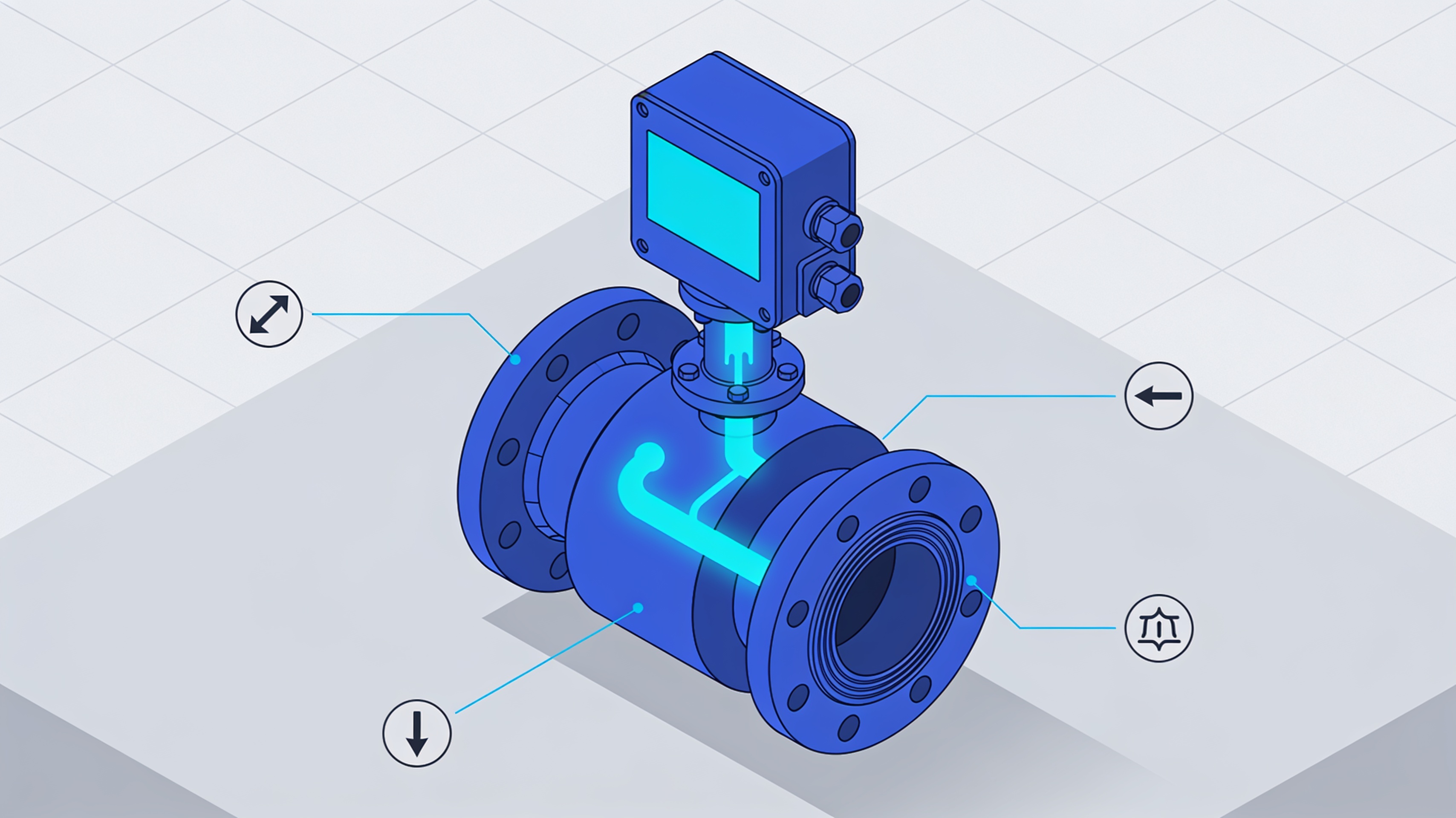
The project stands out for its purely mechanical approach. Instead of relying on wiring and electronic boards near the hot zones of the machine, the system uses the pressure of the molten material to actuate mechanical components that provide an immediate visual indication.
Industrial application: beyond desktop filament
The patent seems aimed at Fused Granulate Fabrication, where thermoplastic pellets are melted by a rotating screw instead of the classic filament.
The print head described in the document has unusual features for desktop printers. It has a large rectangular structure and is connected via a flange to the outlet of a screw extruder.
These elements indicate an application in Fused Granulate Fabrication (FGF). In this technology, pellets and thermoplastic granules are melted and pushed towards the nozzle by a rotating screw, not through the standard 1.75 or 2.85 millimeter filament.
- Purely mechanical operation, without electronics
- Detection based on molten polymer pressure
- Rectangular head with flange for screw extruder
- Immediate visual indication of flow status
Real flow control, not just material
Most sensors check for material presence before melting. This device instead monitors pressure in the final section of the path.
Traditional sensors detect whether the filament is inserted, the spool is empty, or the material is advancing correctly. However, these measurements do not guarantee that the polymer actually exits the nozzle in the expected quantity.
A filament can slip on the gears, deform in the extruder, or encounter obstructions. In pellet systems, irregular screw feeding, bridging in the hopper, variations in material density, or non-uniform melting can occur.
The device from the Nantong Institute of Technology observes a quantity closer to the deposition process: the pressure generated by the molten polymer inside the head. It does not check how many pellets are present or how fast the screw rotates, but reacts to the force exerted by the material in the final section.
Advantages of the mechanical approach
Eliminare l’elettronica vicino alle zone calde riduce i rischi di guasto e semplifica la manutenzione.
L’assenza di componenti elettronici nel percorso del materiale offre diversi benefici. I sensori elettronici possono degradarsi per le alte temperature o richiedere schermature e raffreddamento aggiuntivi.
Un sistema meccanico riduce la dipendenza da software e cablaggi. L’operatore riceve un’indicazione immediata dello stato del flusso attraverso componenti meccanici visibili, senza necessità di interfacce digitali o elaborazione dati.
La Fused Granulate Fabrication utilizza pellet termoplastici invece di filamento. Questa tecnologia è diffusa in applicazioni industriali di grande formato, dove il costo del materiale in forma di granuli risulta significativamente inferiore rispetto al filamento.
Prospettive per l’industria
Il brevetto rappresenta un approccio alternativo al monitoraggio dei processi di stampa 3D industriale. La semplicità meccanica potrebbe risultare interessante per ambienti produttivi dove affidabilità e manutenzione ridotta sono prioritarie.
Resta da verificare l’efficacia pratica del sistema in condizioni operative reali. La pubblicazione della domanda di brevetto non garantisce l’adozione commerciale, ma documenta una direzione di ricerca nel controllo qualità della manifattura additiva a granuli.
article written with the help of artificial intelligence systems
Q&A
Which institute filed the patent for the mechanical detector?
The patent was filed by the Nantong Institute of Technology. The application, identified as CN122401889A, was published on July 17, 2026.
How does the flow interruption detection system work?
The device operates purely mechanically without using electronic sensors in the polymer path. It leverages molten material pressure to activate components that provide immediate visual indication.
For which 3D printing technology is this device designed?
The system is specifically designed for Fused Granulate Fabrication (FGF), an industrial technology using thermoplastic pellets melted via a rotating screw instead of standard filament.
What advantages does it offer over traditional filament sensors?
Unlike sensors that only check for material presence upstream, this device monitors actual pressure in the final section of the print head. This enables detection of real extrusion issues such as slippage or clogs.
What are the physical characteristics of the print head described in the patent?
The print head features a large rectangular structure, unusual for desktop printers. It is connected via flange directly to the output of a screw extruder.