Case Study: OEM

Smart heat exchangers: thermal efficiency comes from patents

Smart heat exchangers: thermal efficiency comes from patents

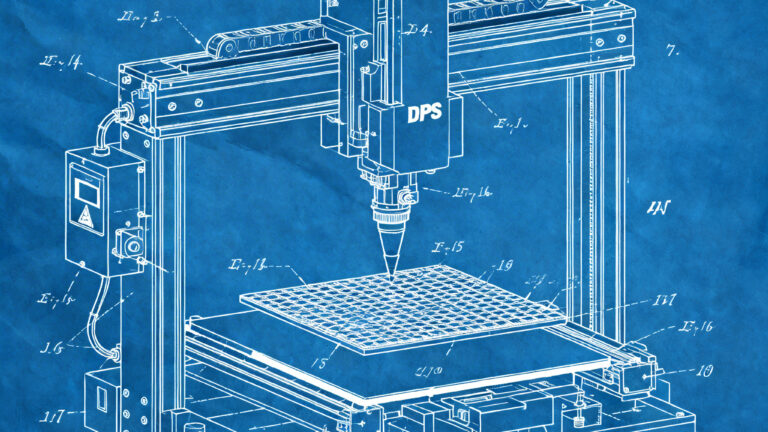
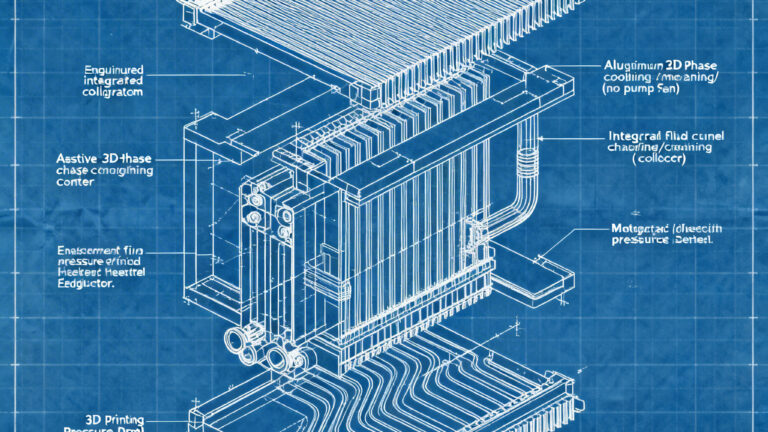
New smart heat exchangers, made with 3D printing technologies and patented, offer greater thermal efficiency without pumps or fans. Thanks to innovative geometries such as partial fins and preloaded integration in engines, weight, costs and consumption are reduced, improving reliability and facilitating assembly. Applications in data centers and aerospace confirm adva
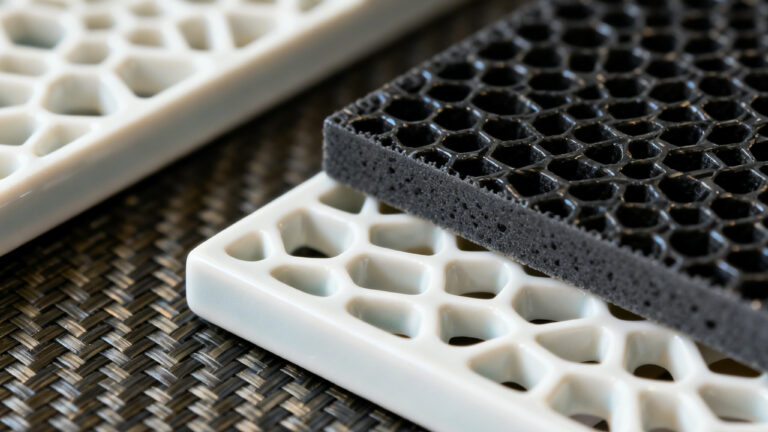

Innovative Materials for Industry 4.0: Advanced Solutions in Technical Ceramics and Reinforced Polymers

Innovative Materials for Industry 4.0: Advanced Solutions in Technical Ceramics and Reinforced Polymers

Innovative materials such as technical ceramics and reinforced polymers are revolutionizing Industry 4.0, offering high-performance solutions for sectors like automotive, aerospace, and additive manufacturing. With advanced sintering and production technologies, these materials enable complex geometries and structural applications, also thanks to specialized centers like AMPP. The implementation

Innovation in Materials and Advanced Recycling: Solutions for a Sustainable Future

Innovation in Materials and Advanced Recycling: Solutions for a Sustainable Future

Innovation in materials and advanced recycling are transforming the manufacturing industry. Arkema, with the Virtucycle® program, promotes the use of recycled polymers without compromising performance. Technologies such as chemical recycling and 3D printing with recovered powders reduce environmental impact and costs. Strategic collaborations and bio-based materials open new paths towards an econ

Additive Manufacturing in Semiconductor Packaging: The Operational Plan of XTPL and Manz Asia

Additive Manufacturing in Semiconductor Packaging: The Operational Plan of XTPL and Manz Asia

XTPL and Manz Asia collaborate to integrate Ultra-Precise Dispensing (UPD) technology into semiconductor advanced packaging processes. Thanks to this partnership, XTPL can scale the adoption of its solution without infrastructure investments, entering the Taiwanese market through a technological demonstrator. UPD technology enables sub-micron depositions of materials c

Building a Connected Industrial Ecosystem: How to Develop Strategic Partnerships with PLM

Building a Connected Industrial Ecosystem: How to Develop Strategic Partnerships with PLM

Building a connected industrial ecosystem with PLM requires strategic partnerships, clear governance, and technology integration. PLM should be viewed as a strategic approach, not just an IT tool, to optimize processes, reduce costs, and accelerate time-to-market. It is essential to align it with digital transformation, choose compatible partners, and measure results with defined KPIs.

The 3D Printing Market Enters the Maturity Phase: Real Growth and New Regional Dynamics

The 3D Printing Market Enters the Maturity Phase: Real Growth and New Regional Dynamics

The 3D printing market reaches $24.2 billion in 2025, with a growth of 10.91%. The sector enters a maturity phase, shifting from machinery to production services. The Asia-Pacific region grows at 19.81%, while Europe and EMEA slow down. Services cover 48% of the market, highlighting an industrial conversion based on real usage and economic return.

Distributed e Gigafactory: How Integrated Production Works on an Industrial Scale

Distributed e Gigafactory: How Integrated Production Works on an Industrial Scale

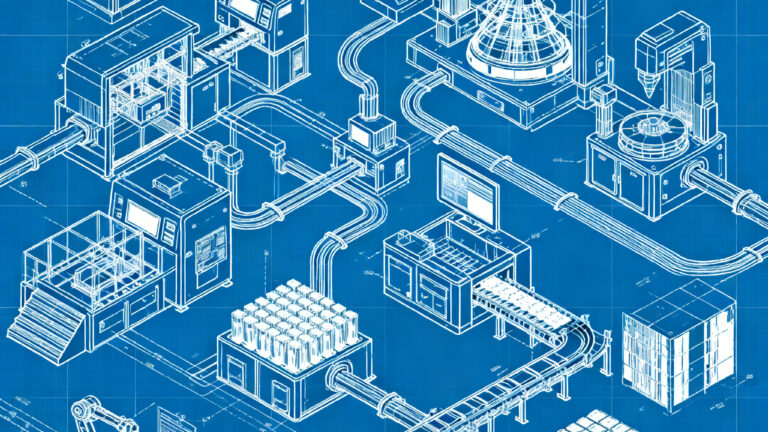
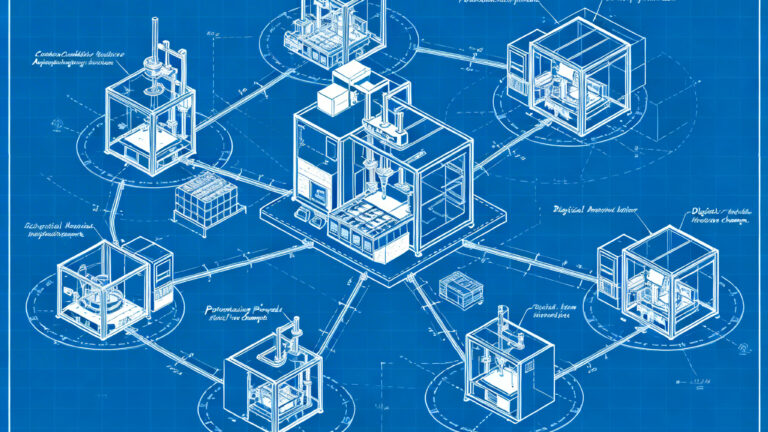
Integrated production on an industrial scale is redefining the manufacturing industry through the physical and digital integration of processes. Advanced automation, data sharing, and artificial intelligence are transforming factories into intelligent, self-optimizing ecosystems, reducing times, costs, and waste.

In-Process Inspection for Metal 3D Printing: How Calibrated Measurement-Based Quality Control Works

In-Process Inspection for Metal 3D Printing: How Calibrated Measurement-Based Quality Control Works

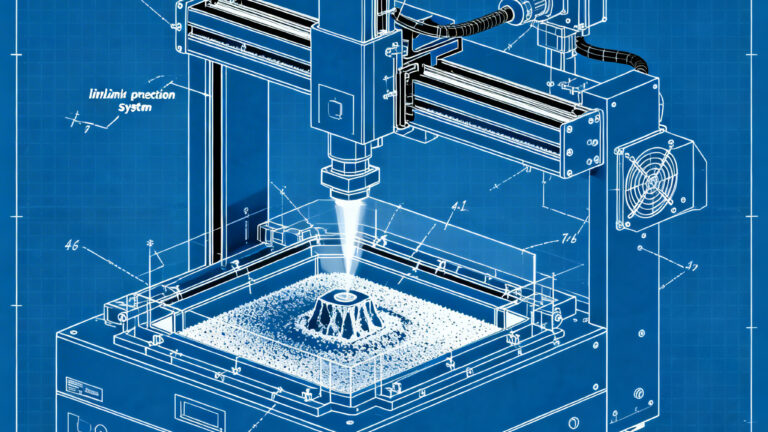
In-process inspection based on calibrated measurements is revolutionizing quality control in metal 3D printing, replacing expensive post-production checks with precise, proactive monitoring during the process. Technologies like structured light fringe projection allow for real-time measurement of critical parameters such as layer thickness and surface roughness, mi

Industrial Performance Benchmarking: When 3D Printing Surpasses Traditional Manufacturing

Industrial Performance Benchmarking: When 3D Printing Surpasses Traditional Manufacturing

3D printing surpasses traditional manufacturing in terms of production times, quality, and internal defects. An EPRI project shows how convergent manufacturing reduces times from 30 months to 3 months, maintaining or improving mechanical properties. Additive manufacturing offers significant advantages for highly regulated sectors, thanks to fewer defects, more precise controls, and reduced

How Additive Manufacturing is Redefining the Regional Infrastructure for Resilient Public Services

How Additive Manufacturing is Redefining the Regional Infrastructure for Resilient Public Services

Australia is using additive manufacturing to build more resilient public infrastructure, reducing dependence on foreign suppliers and strengthening local production thanks to collaborations between research, industry, and government.

Post-Prototype Operational Models in the Advanced Metal Industry

Post-Prototype Operational Models in the Advanced Metal Industry

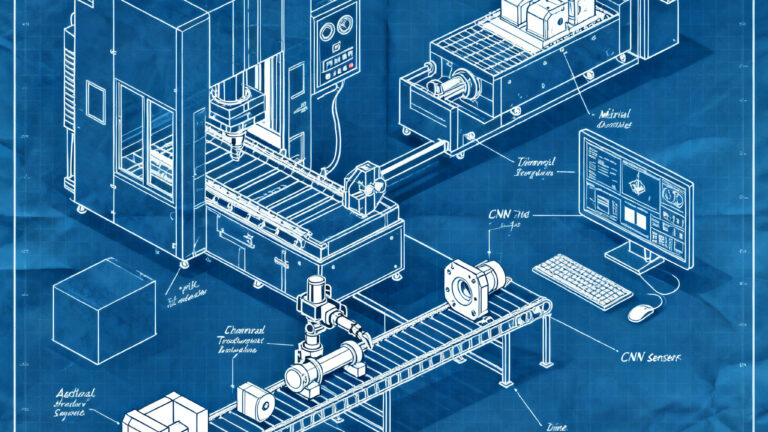
The advanced metal industry is evolving towards integrated production systems, where every stage of production collaborates in real time. Overcoming the traditional model of isolated departments, a connected architecture emerges that unifies additive, machining, heat treatment, and inspection. This approach reduces inefficiencies, improves stability and productivity, and enables a rapid response p

Sustainability in Industrial 3D Printing: Understanding Environmental and Technological Trade-offs

Sustainability in Industrial 3D Printing: Understanding Environmental and Technological Trade-offs

Industrial 3D printing can reduce environmental impact, but it requires strategic choices on materials, energy efficiency and life cycle management. Although it offers advantages such as less waste and simplification of the supply chain, the real benefit depends on sustainable feedstocks, efficient processes and recovery policies. Studies show that the use of recycled material and energy sources

/