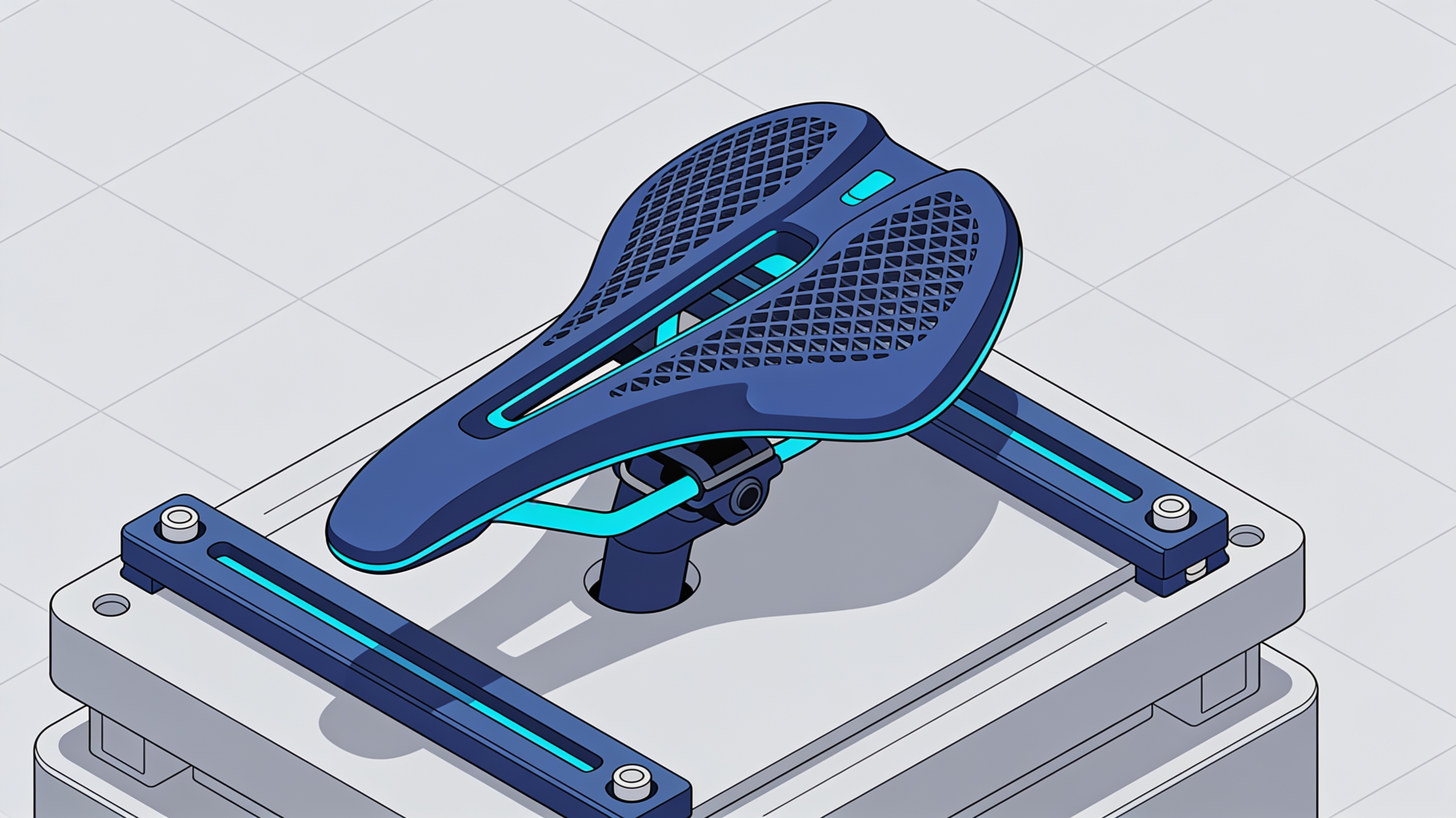
Carbon surpasses one million 3D-printed bicycle saddles: a milestone for additive manufacturing
The California-based company Carbon has produced over one million bicycle saddles using additive technology, consolidating a new business model for the AM sector: not selling machines, but differentiated product lines.
Carbon has officially surpassed the threshold of one million bicycle saddles produced with its 3D printing machines. The milestone represents much more than a simple number: it marks the birth of a new category of cycling products, created in collaboration with leading brands such as Specialized and an ecosystem of over 40 contract manufacturers globally.
Phil DeSimone, CEO of Carbon, emphasized that the most relevant aspect is not the figure itself, but the creation of “an entire new category of cycling products.” This statement reveals the company’s distinctive strategy in the additive manufacturing landscape.
- Carbon surpasses 1 million 3D-printed bicycle saddles
- Partnerships with Specialized and over 40 global contract manufacturers
- New agreement with DDK, the world’s largest saddle manufacturer
- Strategy based on product lines, not on selling machines
The strategy: selling products, not machines
Carbon has developed a unique approach in the AM industry, focusing on creating differentiated product lines rather than simply selling technology.
In a March 2025 interview, DeSimone explained the philosophy that drove success with bicycle saddles: Carbon does not sell machines, but “differentiated product lines.” This represents one of the most valuable pieces of advice for any additive manufacturing company in the current context.
The difference is substantial. While most AM system manufacturers focus on the technical specifications of their machines, Carbon builds complete applications. The result is tangible value for end customers, not just for manufacturers.
Expansion in Asia with DDK
The recent agreement with the world’s largest saddle manufacturer marks Carbon’s strategic entry into the Asian market, replicating the successful model already tested in other markets.
At the beginning of 2026, Carbon announced a partnership with DDK, the world’s largest bicycle saddle manufacturer, headquartered in Taiwan. DDK became Carbon’s first Asian partner dedicated specifically to the production of 3D-printed saddles.
This collaboration goes beyond simple direct commercial value. Carbon has established a relationship with the industry leader, a goal that every AM company should set when entering a new market.
The agreement with DDK provides Carbon with a replicable model for entering other sectors, applying the lessons learned from the bicycle saddle market.
A playbook for other markets
Success in cycling gives Carbon a proven methodology to expand into new sectors, tackling the challenge common to all AM companies: selling the technology itself, not just their specific capabilities.
Carbon now has a consolidated playbook to replicate in other markets what it has achieved with bicycle saddles. This is a significant strategic position in an industry where companies still have to convince potential customers about the technology itself.
Additive manufacturing companies face a challenge that most of the manufacturing sector does not have to handle with the same intensity: selling the concept of AM first, then their specific solutions. Carbon has demonstrated how to overcome this obstacle through concrete applications and strategic partnerships.
Implications for the AM industry
Carbon's milestone demonstrates that additive manufacturing can achieve significant production volumes when it focuses on specific high-value-added applications.
The one million saddles produced represent important validation for the entire 3D printing industry. It demonstrates that the technology can support mass production when applied to products where customization and performance justify the production process.
The Carbon-Specialized-DDK model creates a complete ecosystem: technology, a recognized brand, and production capacity on a global scale. This triangle represents the winning formula for taking additive manufacturing beyond prototyping and small series.
The lesson for the industry is clear: focus on specific applications, build partnerships with market leaders, and think in terms of end products, not technical capabilities. Only in this way can additive manufacturing move from a promising technology to an established production reality.
article written with the help of artificial intelligence systems
Q&A
How many bicycle saddles has Carbon produced with 3D printing?
Carbon has surpassed the threshold of 1 million bicycle saddles produced with its 3D printing machines. The milestone was reached thanks to collaboration with leading brands such as Specialized and over 40 global contract manufacturers.
What is Carbon's strategy in the additive manufacturing sector?
Carbon does not sell machines, but differentiated product lines. The company focuses on creating complete applications and tangible value for end customers, instead of limiting itself to the technical specifications of the machines.
Who has Carbon collaborated with for saddle production?
Carbon has collaborated with leading brands such as Specialized and an ecosystem of over 40 contract manufacturers globally. Additionally, in early 2026 it announced a partnership with DDK, the world's largest saddle manufacturer based in Taiwan.
What does the partnership with DDK represent for Carbon?
DDK has become Carbon's first Asian partner dedicated specifically to the production of 3D-printed saddles. The agreement marks Carbon's strategic entry into the Asian market and replicates the successful model already tested in other markets.
What is the most significant aspect of the milestone according to Phil DeSimone?
According to Phil DeSimone, CEO of Carbon, the most significant aspect is not the figure itself, but the creation of an entirely new category of cycling products. This statement reveals the company's distinctive strategy in the additive manufacturing landscape.