Consumer 3D Printers Make Their Way into Holiday Tech Gifts
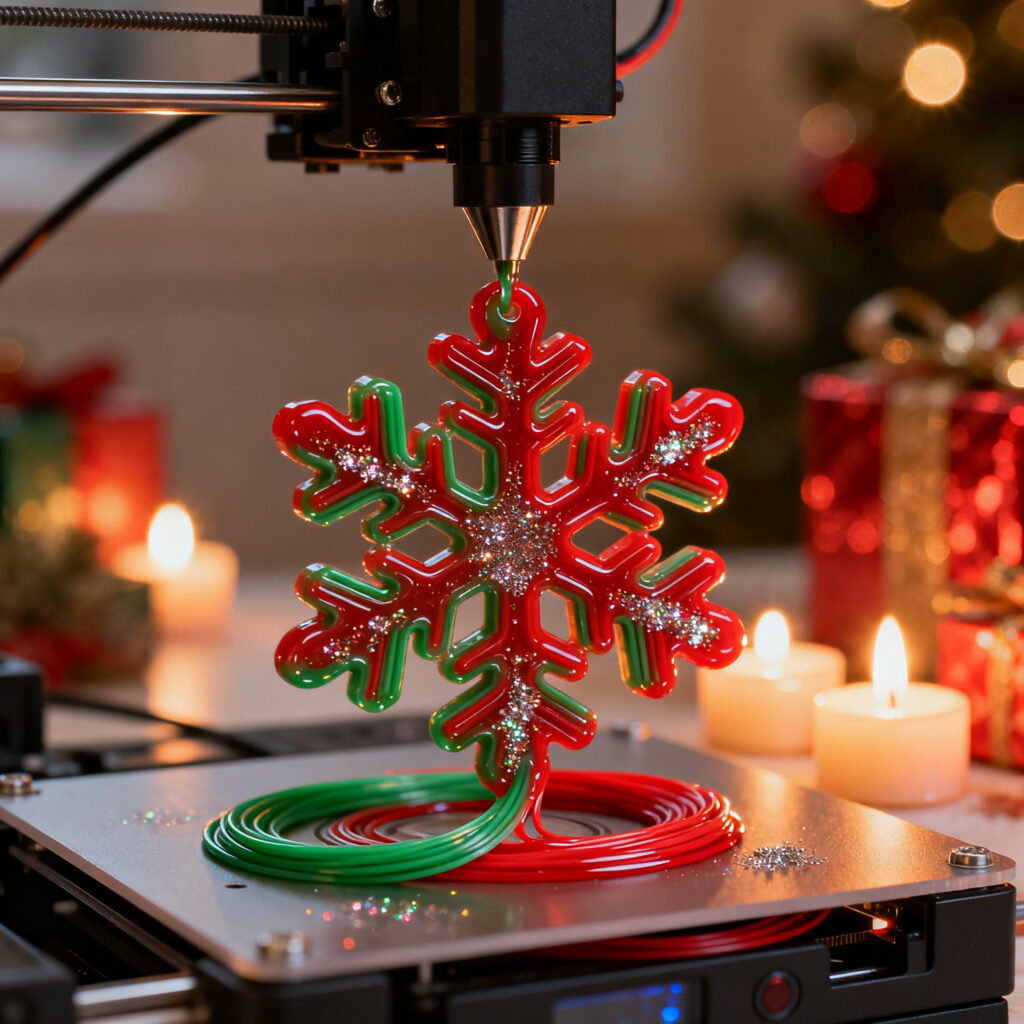
3D consumer printers are the tech gift of Christmas: low prices, easy use, creative personalized ideas. Sales boom, promotions until Epiphany.

 Maker
Maker 3D consumer printers are the tech gift of Christmas: low prices, easy use, creative personalized ideas. Sales boom, promotions until Epiphany.
 Manufacturing
 The lack of skills is slowing the growth of additive manufacturing: universities, industry, and certifications converge to rapidly train 4.0 professionals.
 Manufacturing
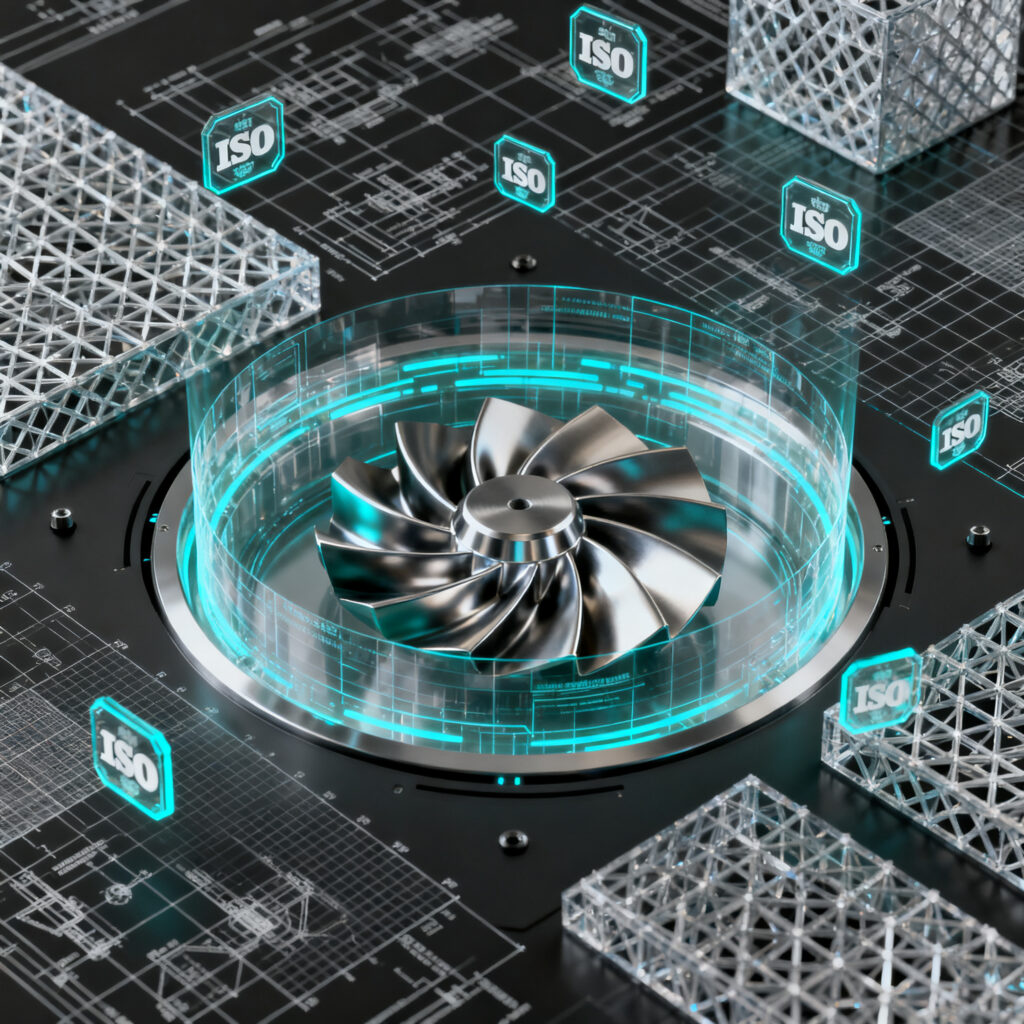
 The EU pushes for shared standards for autonomous systems and additive manufacturing: rigorous qualification, traceability, and ISO/AS certifications to accelerate industrial adoption and reduce risks.
 Maker
Maker Practical guide to software development and open source repository for 3D printing: formats, slicing, security, versioning, and cloud and industrial integration.
 Maker
Maker In 2026, consumer 3D printing becomes mainstream: AI, recycled materials, and DIY systems like ExtrudeX lower costs and technical barriers, promoting sustainability and domestic autonomy.
 Innovations
 Cornell prints 3D concrete on the seabed using marine sediments: lower costs, zero transport, autonomous robots and reduced environmental impact for sustainable infrastructure.
 Manufacturing
 Multi-material 3D printing: a single part with rigid, flexible, conductive zones. Innovations from Bambu to Stratasys, automotive-aerospace applications, open-source software, and US investments toward mass production.
 Manufacturing
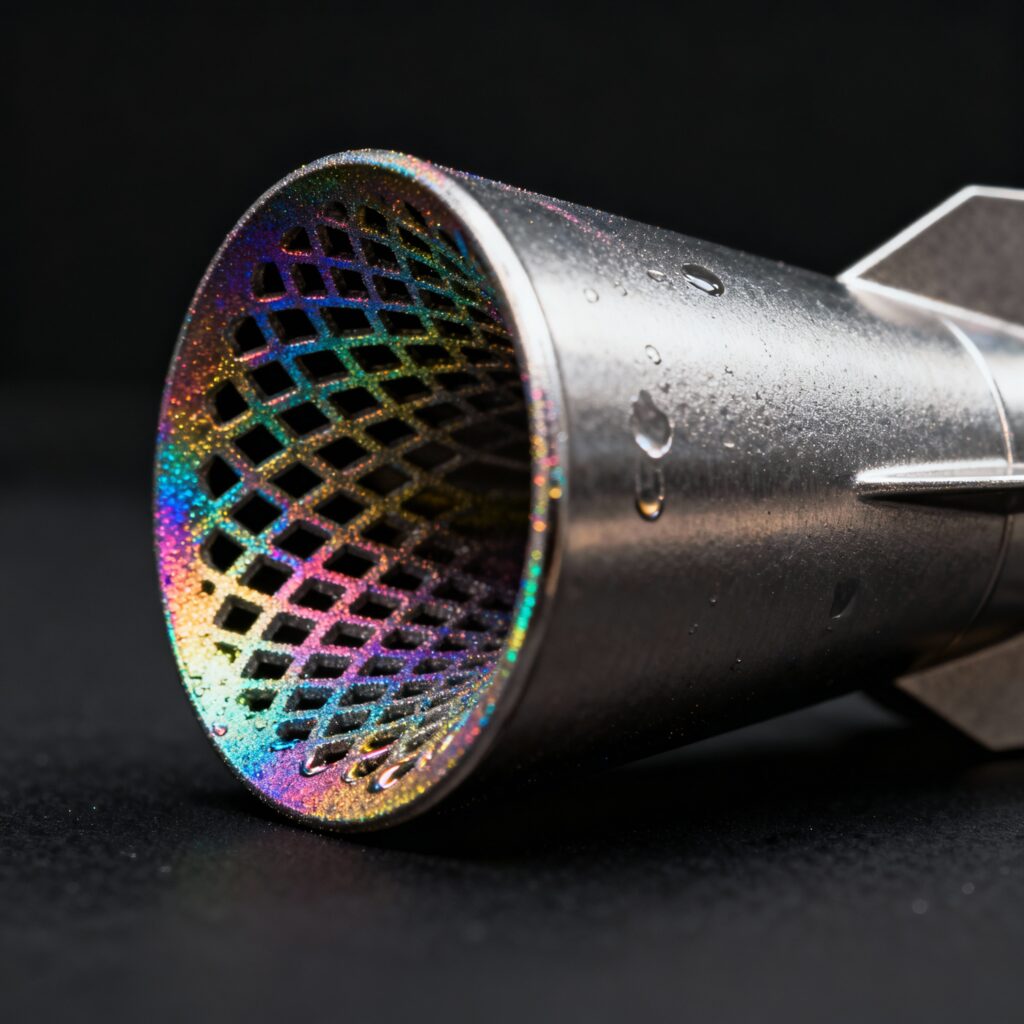
 Metal additive manufacturing is now essential in aerospace and defense: lightweight alloys, DMLS/EBM/FFF processes and increasingly stringent certifications reduce weight, times and costs, but powder qualification and supply-chain remain the main challenges.
 Manufacturing
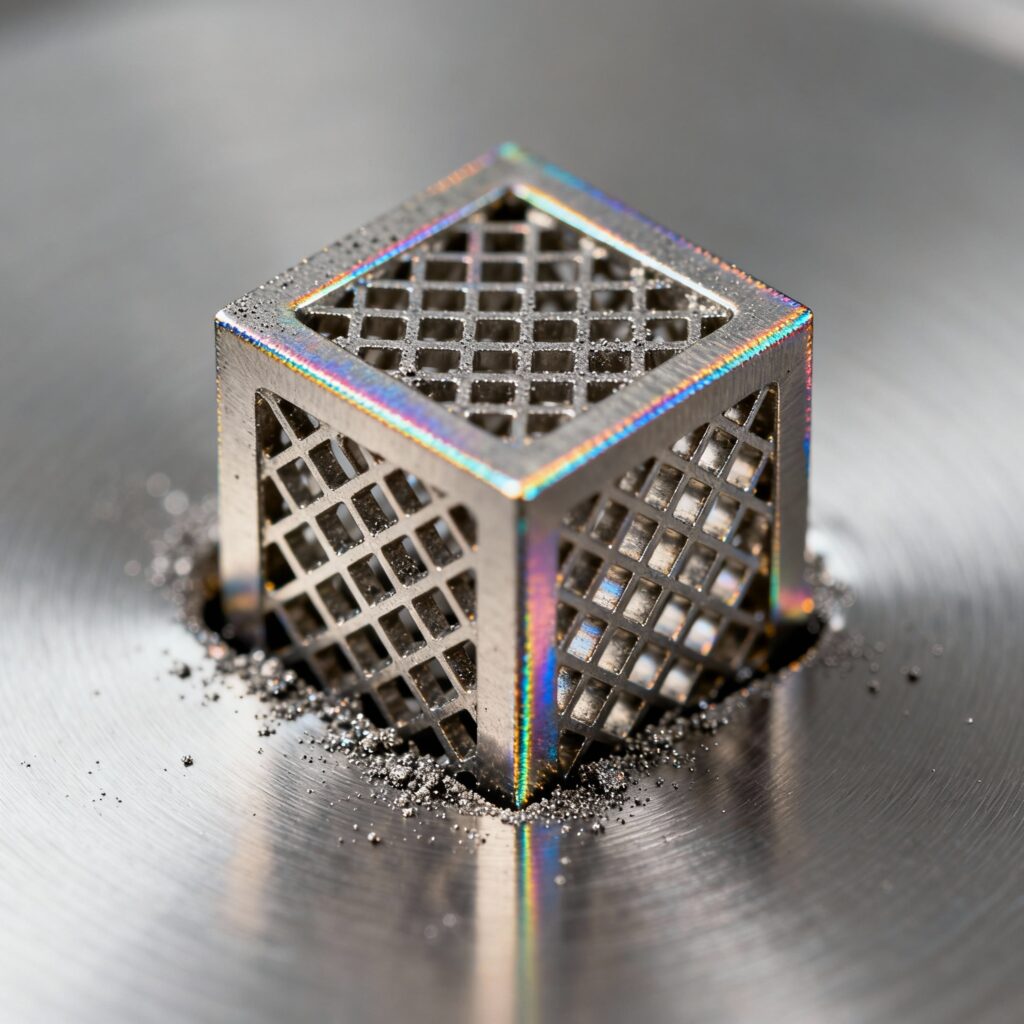
 The metal 3D printing market is projected to grow by 251% in 2025, driven by aerospace, defense, and China. New PBF and FFF technologies make production more accessible, efficient, and sustainable. Forecasts: $170-250 billion by 2035.
 Manufacturing
 Bio-based and recycled polymers are revolutionizing the industry: LFAM and SLS enable high-performance sustainable components, but standards and precise control of material transitions are needed to scale.
 Manufacturing
 In 2026, 4.0 automation integrates AI, IoT, and flexible robotics for end-to-end production chains. Scalability, traceability, and hybrid skills are essential for competitiveness.
 Manufacturing
 Automation, sensors, and AI are transforming 3D printing into efficient production: fewer supports, in-house recycling, real-time monitoring, and intelligent software for optimized workflows.