Guide to Consumer 3D Printer Features: How to Choose the Perfect Model for Tech Gifts
Synthetic guide to choosing a consumer 3D printer: FDM or SLA, speed, volume, materials, budget 250-2250 €, and recommended models for every experience level.

 Maker
Maker Synthetic guide to choosing a consumer 3D printer: FDM or SLA, speed, volume, materials, budget 250-2250 €, and recommended models for every experience level.
 Manufacturing
 Industry 4.0: 3D printing, AI, digital twin, and robotics merge into open ecosystems, transforming production, supply chains, and skills.
 Maker
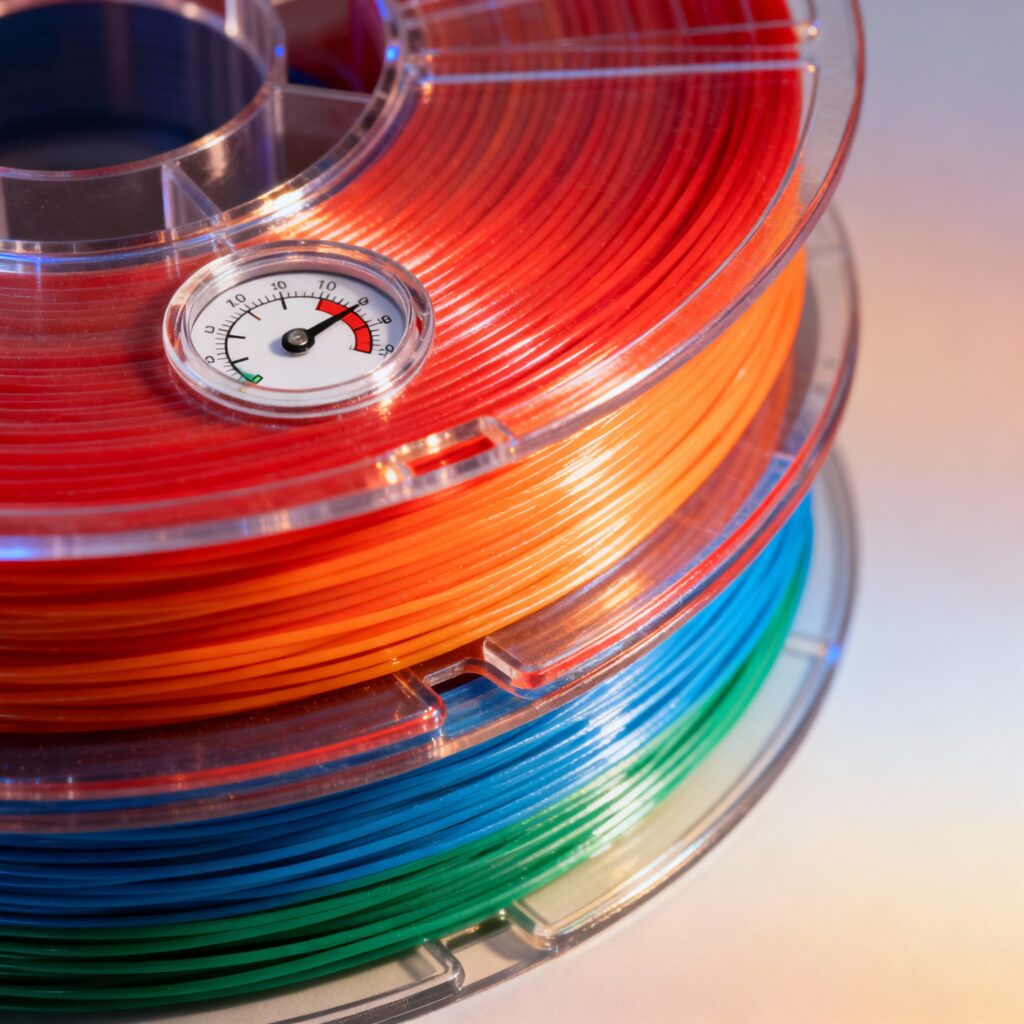
Maker 2026 Guide: The best accessories and gift ideas for consumer 3D printers, from iFixit kits to premium filaments, for precision hobbies and creative passion.
 Manufacturing
 In 2026, additive manufacturing exits the pilot phase: aerospace, automotive, data centers, and oil & gas adopt it into true production, but slowly. The winner integrates processes, not just sells machines.
 Manufacturing
 Intelligent software, low-code automation, and cloud optimize business workflows: they eliminate bottlenecks, integrate legacy systems, enable real-time monitoring, and transform measurement data into strategic insights for quality and resilience.
 Manufacturing
 3D Printing and AI Transform Space-Aerospace Integration: Ultra-lightweight Components, Low-Cost Satellites, Multi-Orbit Antennas, and Accelerated Digital Workflows Drive Orbital Convergence.
 Innovations
 Between Layers, the new series from 3Dnatives, tells the human stories behind 3D printing, starting with Joel Telling: less technical, more inspiration.
 Manufacturing
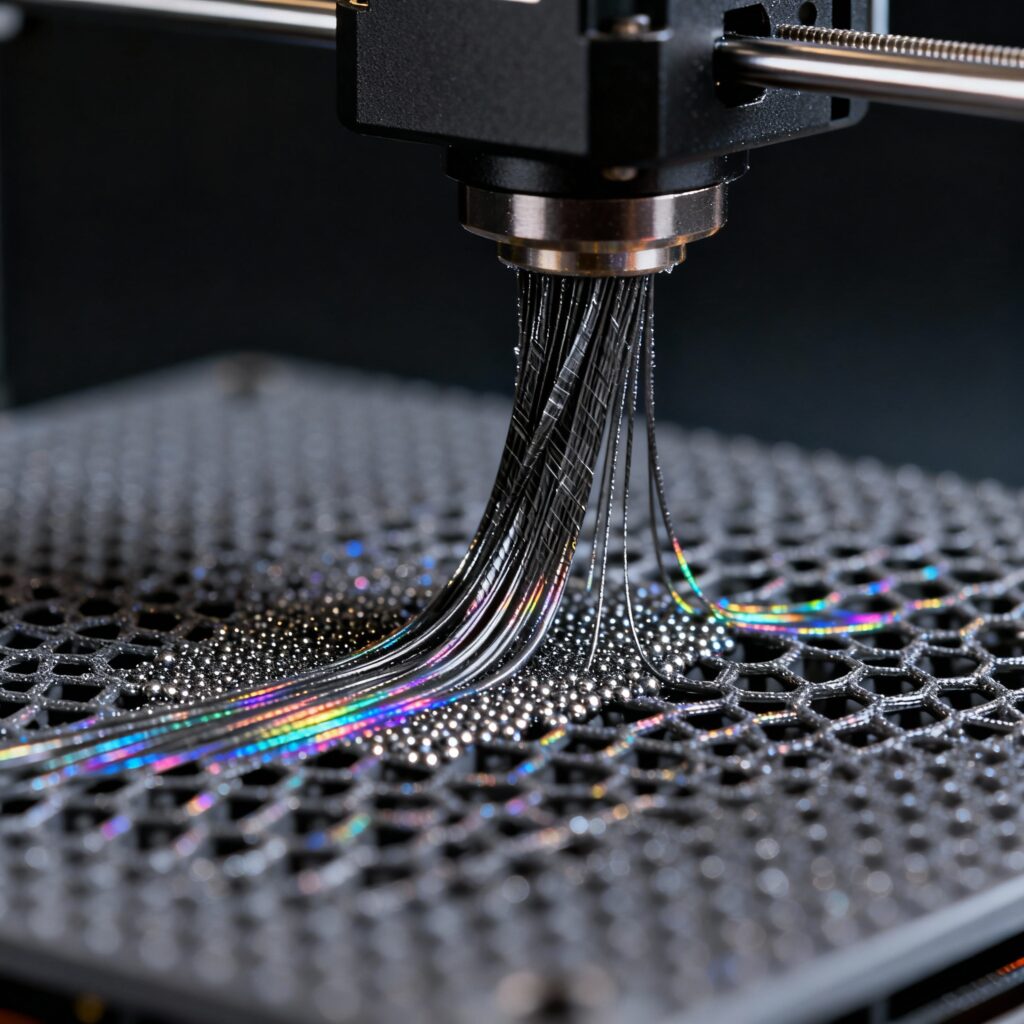
 AI transforms engineering by shifting value from execution to strategic judgment. If the growth path for young engineers is not redesigned, there is a risk of a “skills cliff” and a dangerous concentration of responsibility.
 Manufacturing
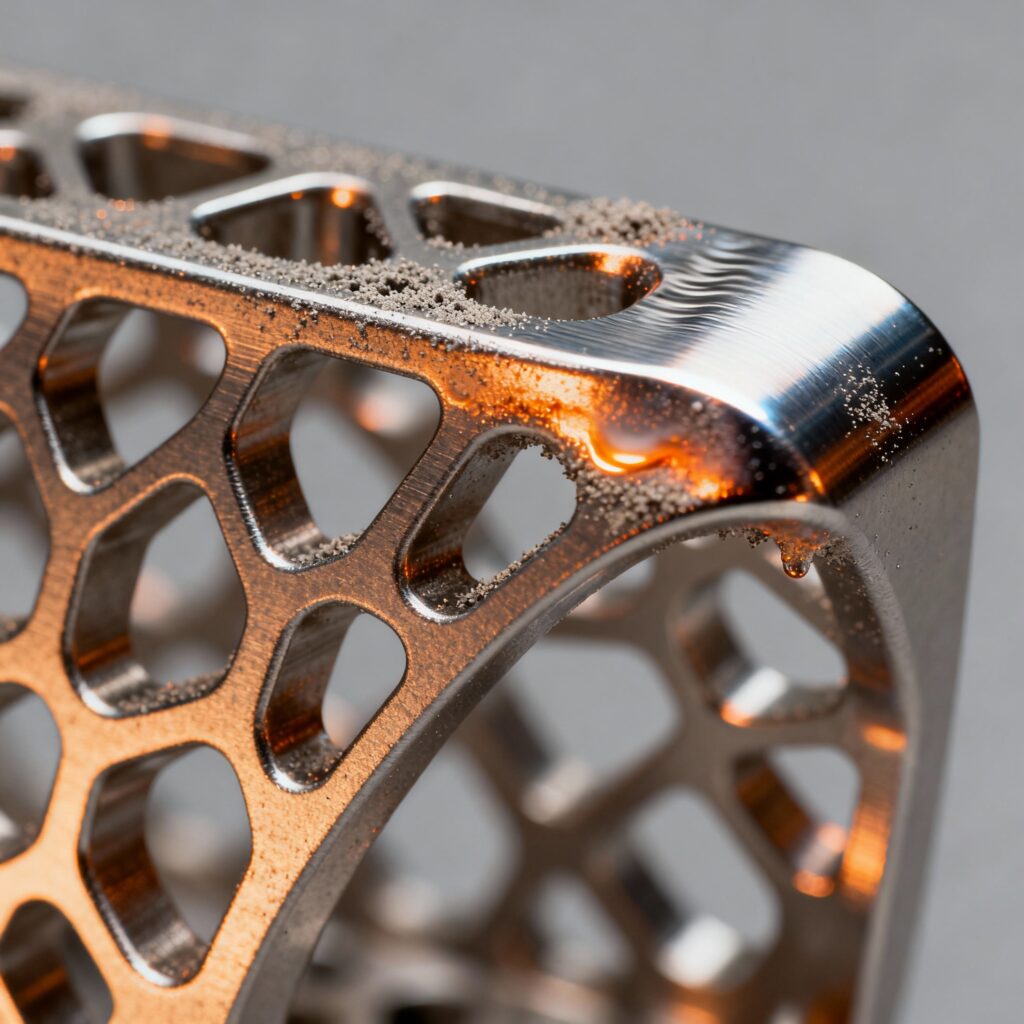
 Industrial 3D printing is revolutionizing production: speeds up to 400 mm/s, high-performance materials, cloud monitoring and real-world cases with savings up to 75%. Distributed digital future.
 Manufacturing
 3D Printing Drives Industry 4.0: automotive, aerospace, healthcare, and construction adopt it for custom parts, reduced costs, and local production. Market from 40 to 250 billion by 2035.
 Manufacturing
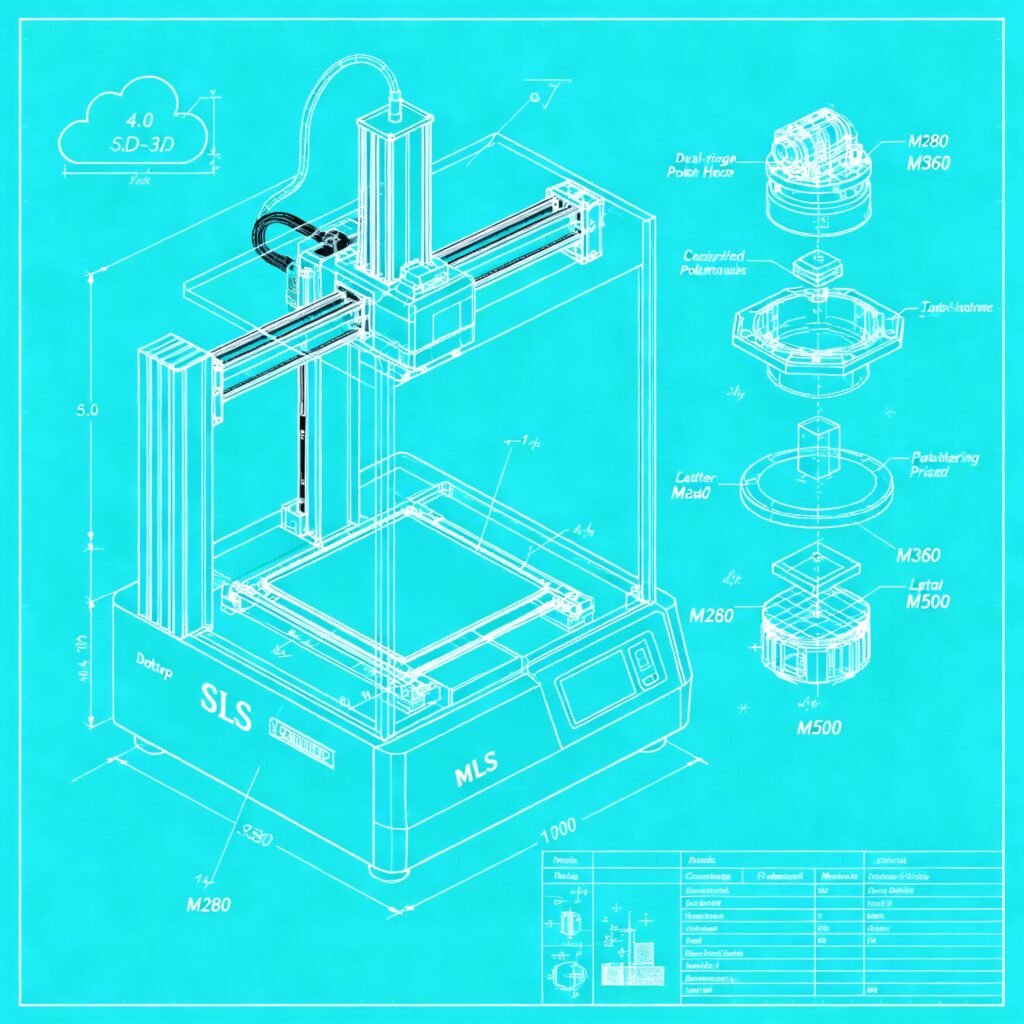
 In 2026, desktop and industrial 3D printers will break down technical and economic barriers: low-cost SLS and metals for everyone, Industry 4.0 automation and advanced materials transform additive manufacturing into mainstream manufacturing.
 Manufacturing
 Industry 4.0: 3D printing, rigorous qualification, and sustainability reduce the costs and times of large-scale production.