Materiale: Polymers

Advanced Post-Processing Techniques for 3D Printing: From Support Removal to Surface Finishing

Advanced Post-Processing Techniques for 3D Printing: From Support Removal to Surface Finishing

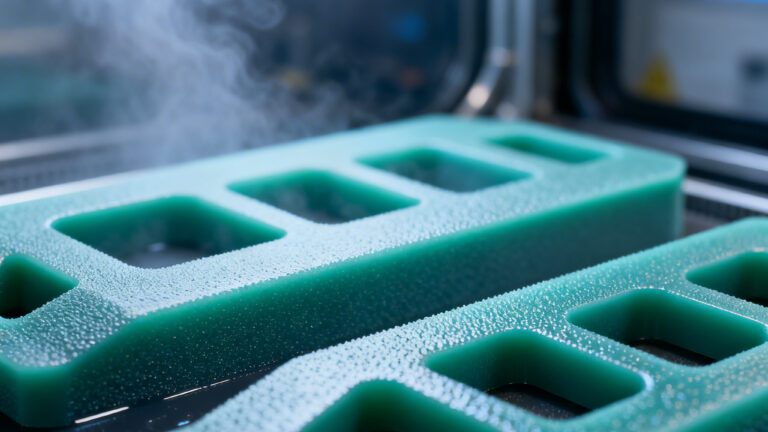
Post-processing is key for 3D printing: automates supports, polishing, chemical finishes, and quality control to produce efficient and precise end-use components.

The Expansion of 3D Printing in Industrial Applications: Technologies, Materials, and Advanced Use Cases

The Expansion of 3D Printing in Industrial Applications: Technologies, Materials, and Advanced Use Cases

Industrial 3D printing grows beyond 20% annually, moving from 40 to 250 billion dollars by 2035. Automation, aerospace, and defense adopt it for critical parts, cutting costs and times. Challenges: scalability, regulations, skills.

Intellectual Property Rights Management in the Digital Ecosystem: Emerging Strategies and Technologies

Intellectual Property Rights Management in the Digital Ecosystem: Emerging Strategies and Technologies

Protecting intellectual property in the digital realm is challenging: copyable 3D files, abusive patents, weak DRM. Patent licenses (OCL), blockchain, on-demand production, and shared standards are being experimented with to track usage and royalties.

Optimization of Accessories and Post-Processing Techniques in 3D Printing

Optimization of Accessories and Post-Processing Techniques in 3D Printing

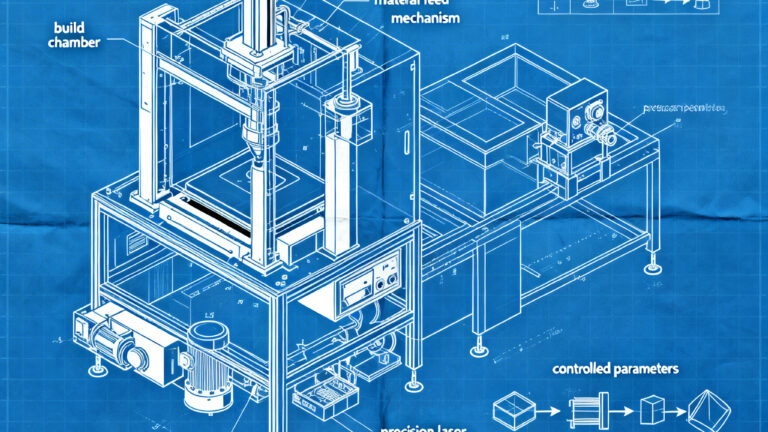
Accessories and post-processing techniques transform 3D printing into professional production: automated washing, chemical smoothing, polymerization, and coloring guarantee industrial-quality finishes on every material.

Optimization of Production Workflows in Industrial Automation: Advanced Strategies for 2026

Optimization of Production Workflows in Industrial Automation: Advanced Strategies for 2026

In 2026, industrial automation focuses on cyber-physical systems, predictive AI, digital twins, and cobots for flexible, safe, and data-driven production flows, overcoming the limitations of traditional lines.

Consumer 3D Printers Make Their Way into Holiday Tech Gifts

Consumer 3D Printers Make Their Way into Holiday Tech Gifts

3D consumer printers are the tech gift of Christmas: low prices, easy use, creative personalized ideas. Sales boom, promotions until Epiphany.

New EU Directives on Industrial Product Safety: Impact on the Manufacturing Sector

New EU Directives on Industrial Product Safety: Impact on the Manufacturing Sector

The EU pushes for shared standards for autonomous systems and additive manufacturing: rigorous qualification, traceability, and ISO/AS certifications to accelerate industrial adoption and reduce risks.

Software Development and 3D Printing Repository: A Practical Guide

Software Development and 3D Printing Repository: A Practical Guide

Practical guide to software development and open source repository for 3D printing: formats, slicing, security, versioning, and cloud and industrial integration.

New Consumer 3D Printing Technologies: Innovations and Market Trends 2026

New Consumer 3D Printing Technologies: Innovations and Market Trends 2026

In 2026, consumer 3D printing becomes mainstream: AI, recycled materials, and DIY systems like ExtrudeX lower costs and technical barriers, promoting sustainability and domestic autonomy.

New Frontiers of Industrial 3D Printing: Composite Materials and Multi-Material Additive Production

New Frontiers of Industrial 3D Printing: Composite Materials and Multi-Material Additive Production

Multi-material 3D printing: a single part with rigid, flexible, conductive zones. Innovations from Bambu to Stratasys, automotive-aerospace applications, open-source software, and US investments toward mass production.

Flexible and Sustainable Materials: Innovations in Biodegradable Polymers for Industrial Applications

Flexible and Sustainable Materials: Innovations in Biodegradable Polymers for Industrial Applications

Bio-based and recycled polymers are revolutionizing the industry: LFAM and SLS enable high-performance sustainable components, but standards and precise control of material transitions are needed to scale.

Industrial Automation: Scalable Solutions for Production 4.0 in 2026

Industrial Automation: Scalable Solutions for Production 4.0 in 2026

In 2026, 4.0 automation integrates AI, IoT, and flexible robotics for end-to-end production chains. Scalability, traceability, and hybrid skills are essential for competitiveness.

/