Settore Industriale: Manufacturing

Implementing Mass Customization in the Industry: Strategies and Practical Cases

Implementing Mass Customization in the Industry: Strategies and Practical Cases

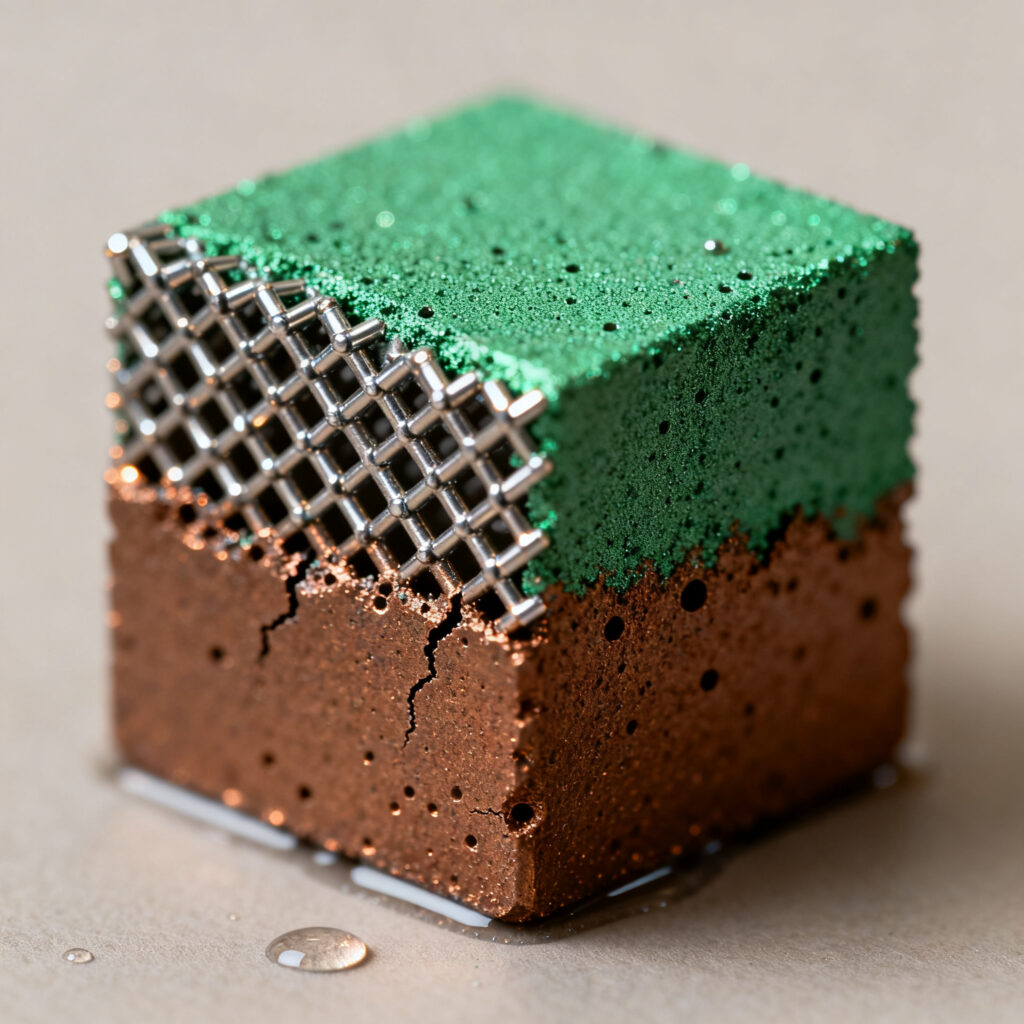
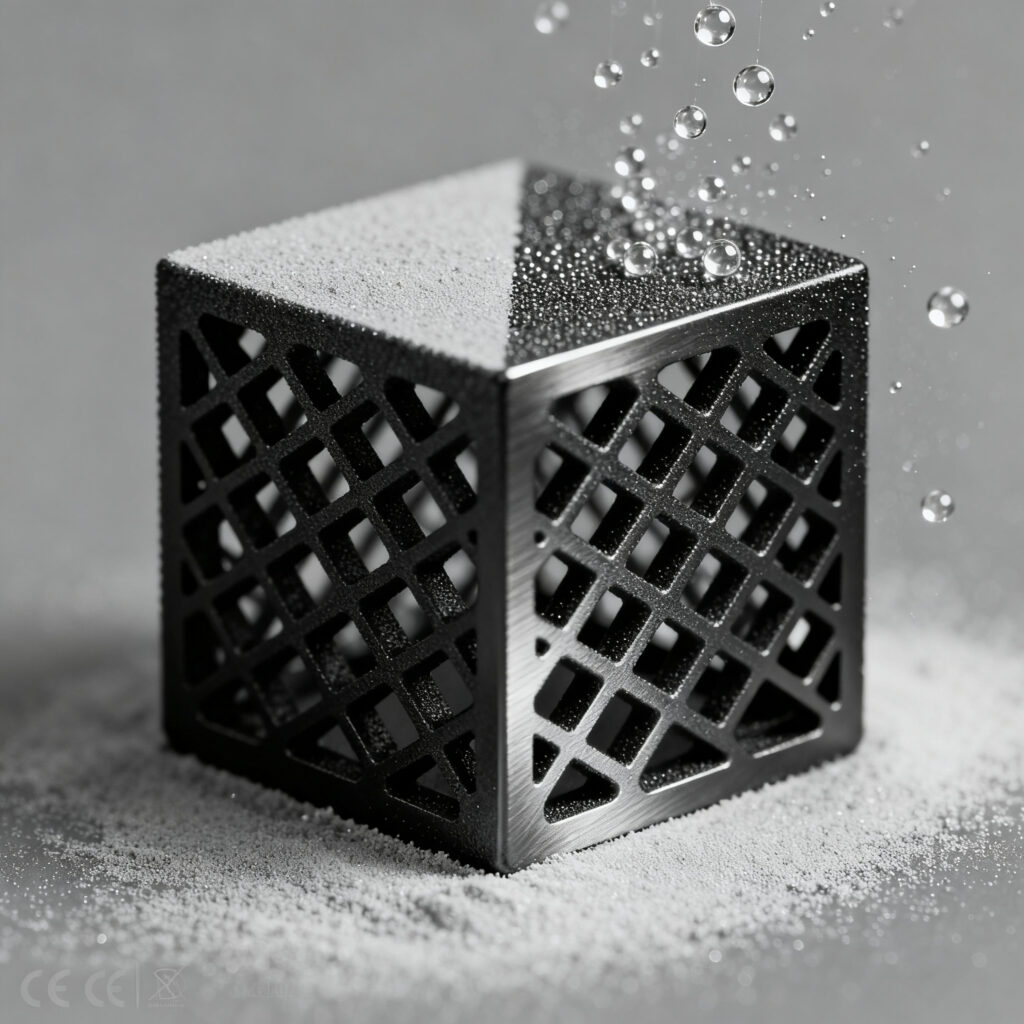
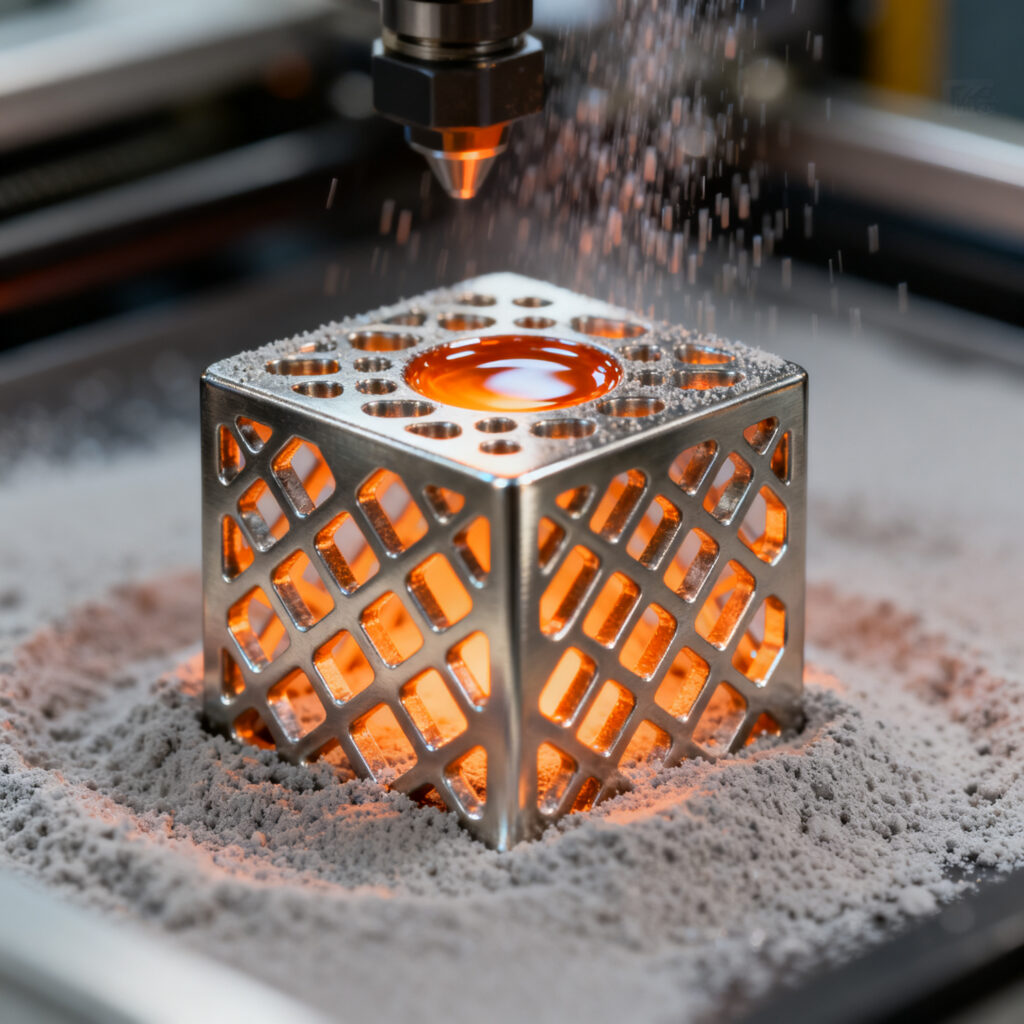
Industrial mass customization leverages 3D printing and AI to produce customized components at competitive costs, transferring flexibility from consumer to B2B and reducing times and waste.

Beyond Print Time: A Playbook for Integrating Production Planning in Industrial-Scale Additive Manufacturing

Beyond Print Time: A Playbook for Integrating Production Planning in Industrial-Scale Additive Manufacturing

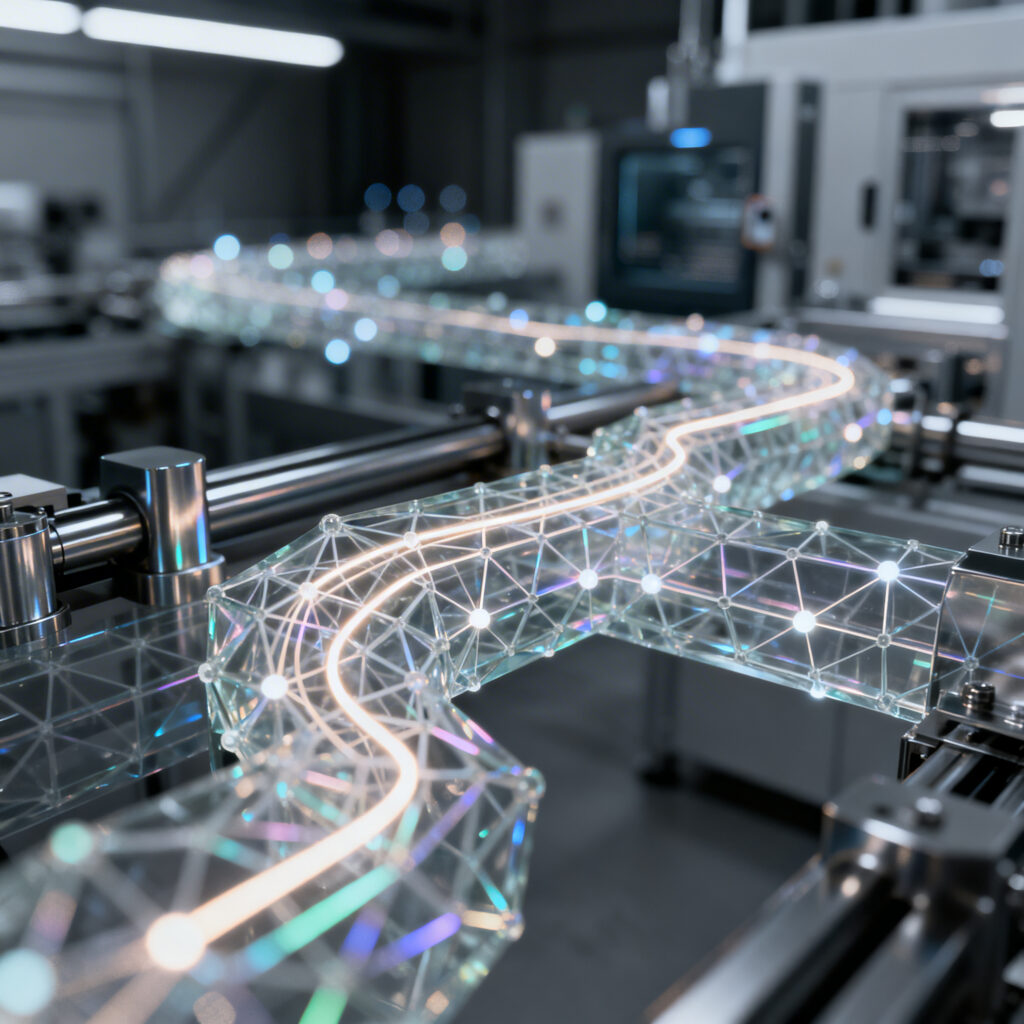
To scale additive manufacturing, end-to-end planning is needed: integrate printing, post-processing and the supply chain, monitor flows and bottlenecks, use specific software and build repeatability on data and standards, not just on machines.

How Artificial Intelligence is Revolutionizing 3D Printing Workflows

How Artificial Intelligence is Revolutionizing 3D Printing Workflows

AI revolutionizes 3D printing: real-time monitoring, automatic CAD-scan alignment, and predictive analysis reduce waste, time, and costs, making additive production scalable and competitive.

Teradyne and Advanced Robotics for AI Chips: Precision, Speed, and Scalability in Industrial Automation

Teradyne and Advanced Robotics for AI Chips: Precision, Speed, and Scalability in Industrial Automation

Teradyne drives AI chip automation with precision robotics, end-to-end testing, and scalable solutions that accelerate production, quality, and traceability.

Diagnosing and Resolving Failures in 3D Print Post-Processing

Diagnosing and Resolving Failures in 3D Print Post-Processing

3D post-processing failures cause scrap and costs. Identifying causes (washing, curing, finishing) and applying visual/metrology diagnostics reduces errors, optimizes processes, and cuts scrap.

Metal FFF Optimization: From Printing to Sintering for Precision Metal Components

Metal FFF Optimization: From Printing to Sintering for Precision Metal Components

Metal FFF: safe 3D printing with metal filaments, washing and sintering for dense and complex components without loose powders.

The 3D Printing Revolution in the Fashion and Consumer Goods Sector

The 3D Printing Revolution in the Fashion and Consumer Goods Sector

3D printing revolutionizes fashion: rapid prototyping, custom-fit garments, and sustainable on-demand production. Challenges regarding materials and comfort remain, but the future is personalized, distributed, and zero-impact.

Advanced Post-Processing Techniques for 3D Printing: From Support Removal to Surface Finishing

Advanced Post-Processing Techniques for 3D Printing: From Support Removal to Surface Finishing

Post-processing is key for 3D printing: automates supports, polishing, chemical finishes, and quality control to produce efficient and precise end-use components.

The Expansion of 3D Printing in Industrial Applications: Technologies, Materials, and Advanced Use Cases

The Expansion of 3D Printing in Industrial Applications: Technologies, Materials, and Advanced Use Cases

Industrial 3D printing grows beyond 20% annually, moving from 40 to 250 billion dollars by 2035. Automation, aerospace, and defense adopt it for critical parts, cutting costs and times. Challenges: scalability, regulations, skills.

Intellectual Property Rights Management in the Digital Ecosystem: Emerging Strategies and Technologies

Intellectual Property Rights Management in the Digital Ecosystem: Emerging Strategies and Technologies

Protecting intellectual property in the digital realm is challenging: copyable 3D files, abusive patents, weak DRM. Patent licenses (OCL), blockchain, on-demand production, and shared standards are being experimented with to track usage and royalties.

Industrial Additive Manufacturing and Automotive: Advanced Technologies for Industry 4.0

Industrial Additive Manufacturing and Automotive: Advanced Technologies for Industry 4.0

Additive manufacturing is revolutionizing automotive and heavy industry: new materials, cloud-native CAD, AI, and digital traceability enable flexible batches and resilient supply chains.

Optimization of Production Workflows in Industrial Automation: Advanced Strategies for 2026

Optimization of Production Workflows in Industrial Automation: Advanced Strategies for 2026

In 2026, industrial automation focuses on cyber-physical systems, predictive AI, digital twins, and cobots for flexible, safe, and data-driven production flows, overcoming the limitations of traditional lines.

/