Settore Industriale: Construction

From Agricultural Waste to Construction Materials: How the Industrial Process Works

From Agricultural Waste to Construction Materials: How the Industrial Process Works

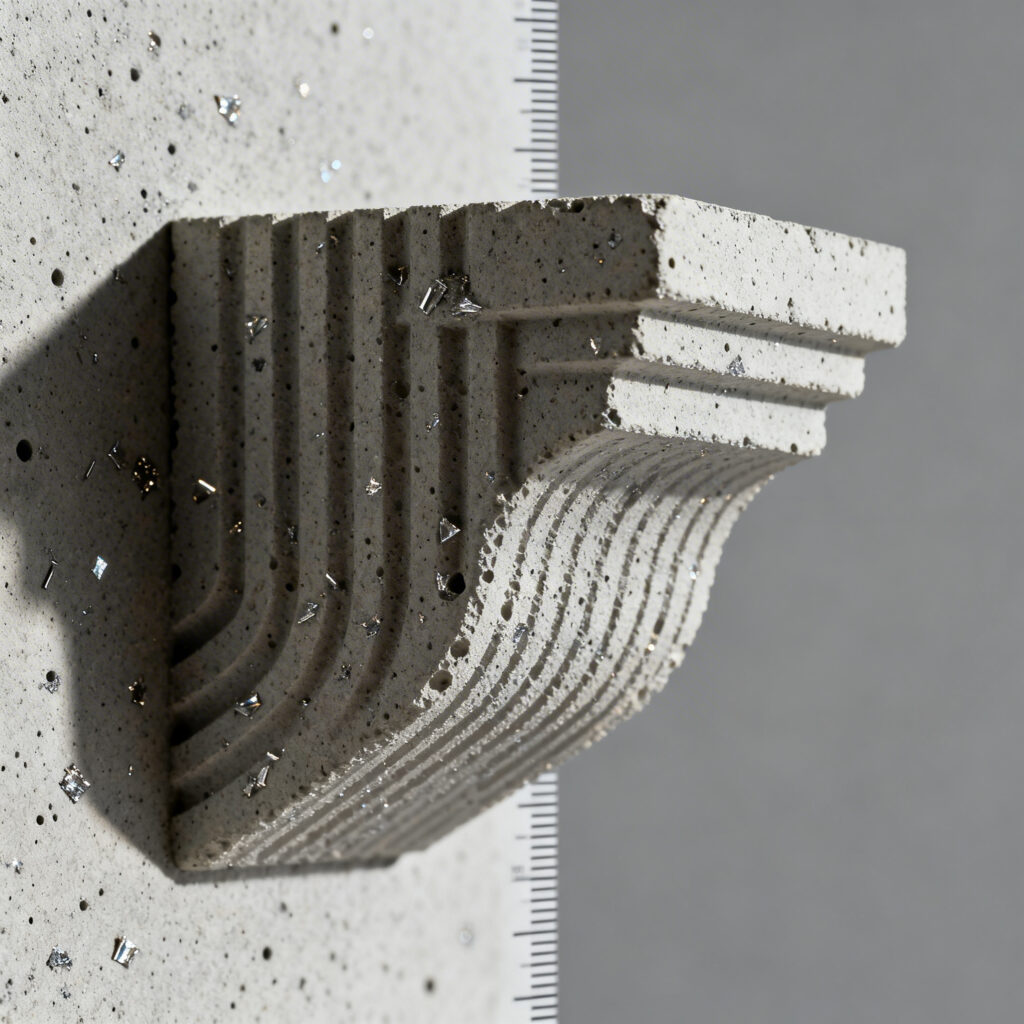
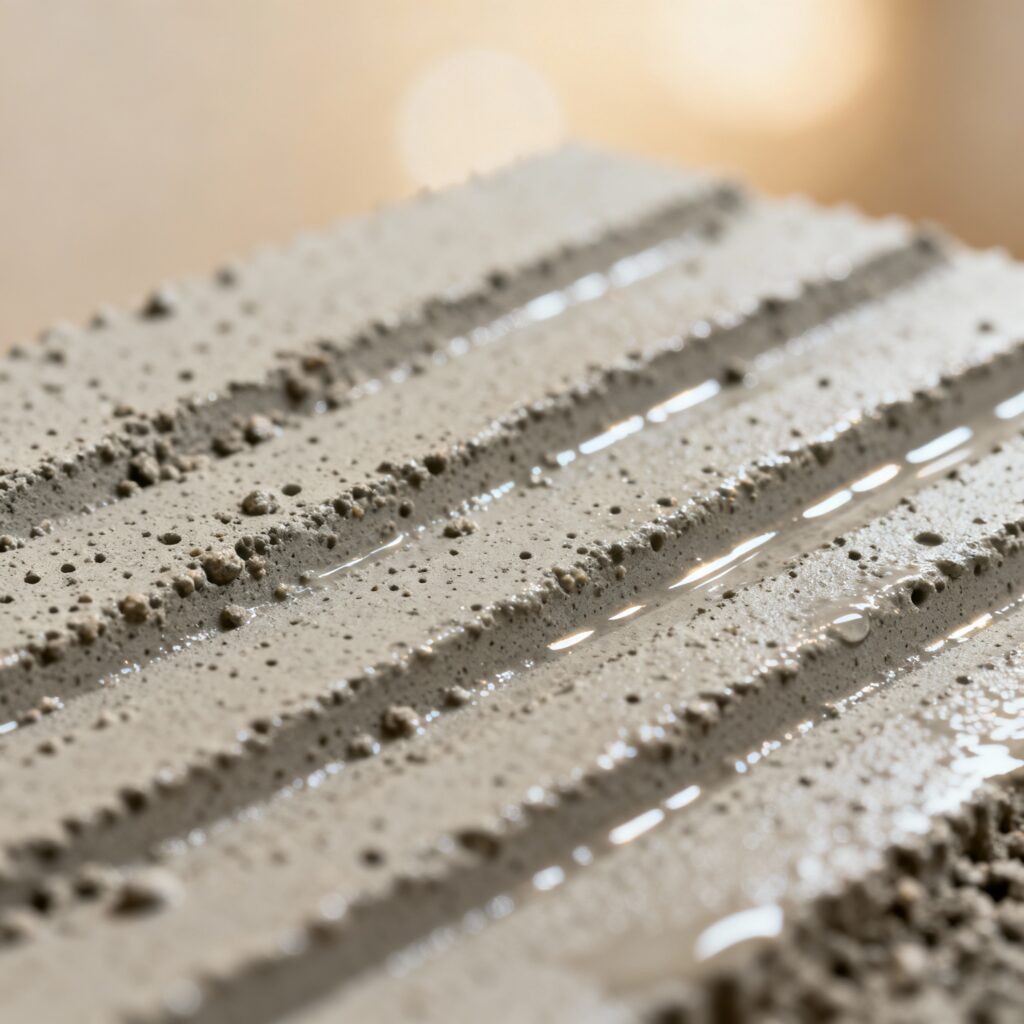
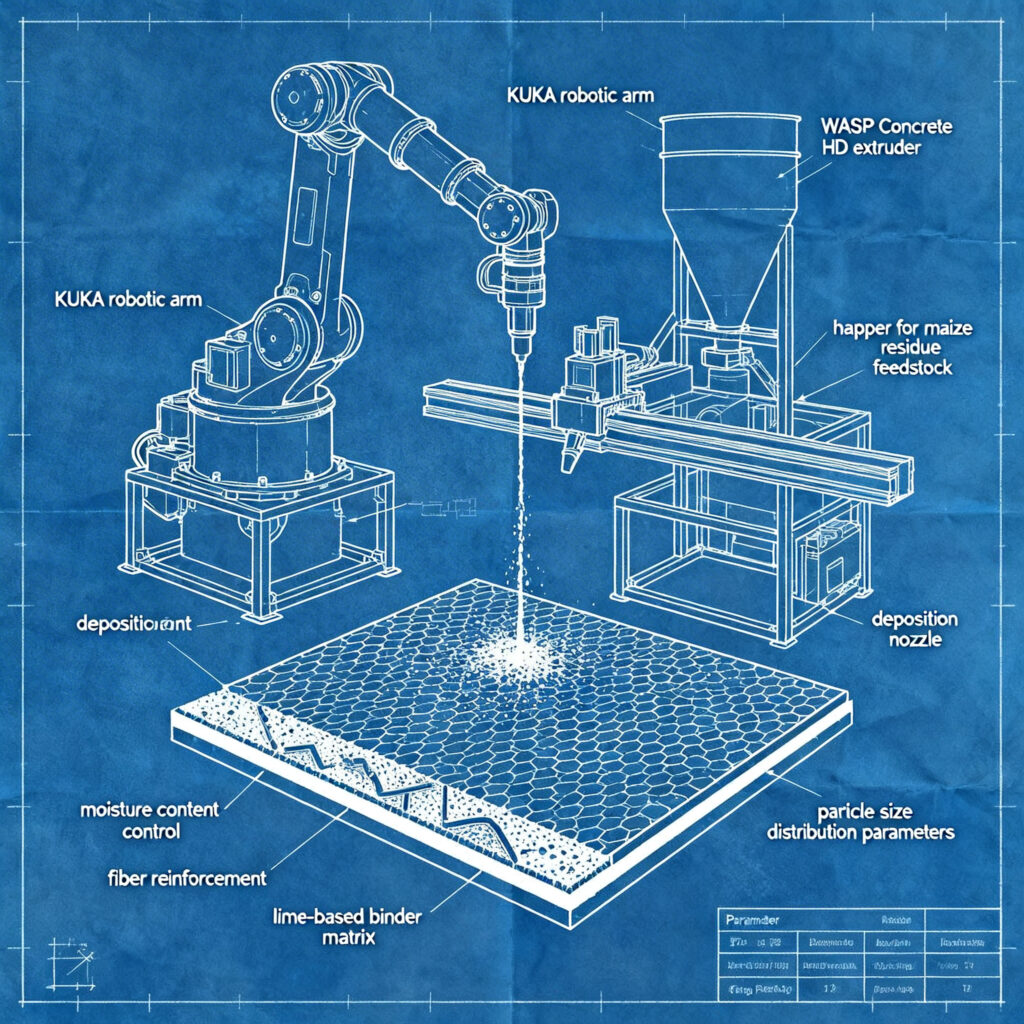
From agricultural waste to construction materials: an innovative industrial process transforms waste such as straw and peels into eco-friendly panels and bricks. Technologies such as robotic extrusion and 3D printing enable the creation of high-performance biocomposites, reducing the environmental impact of construction. Projects such as CORNCRETL in Mexico and European initiatives demonstrate industrial feasibility

Sustainability in Industrial 3D Printing: Understanding Environmental and Technological Trade-offs

Sustainability in Industrial 3D Printing: Understanding Environmental and Technological Trade-offs

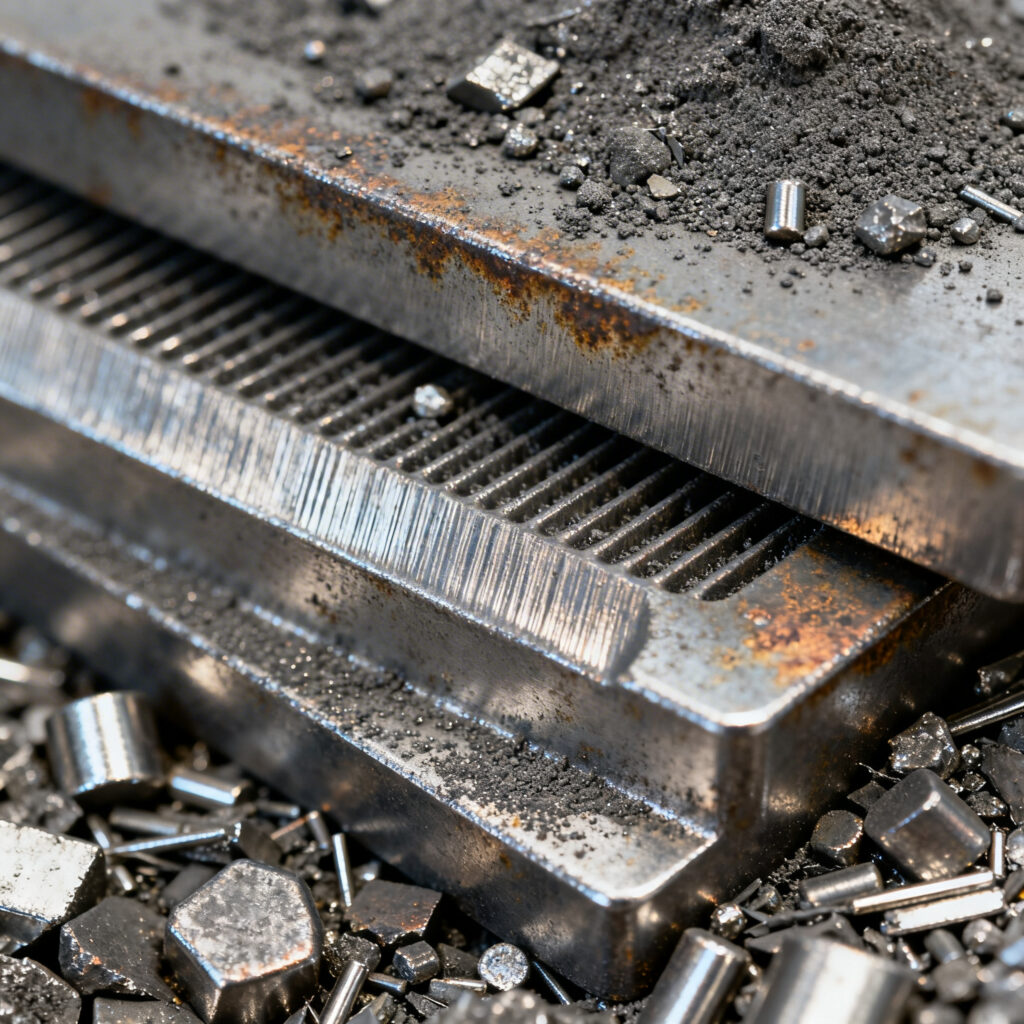
Industrial 3D printing can reduce environmental impact, but it requires strategic choices on materials, energy efficiency and life cycle management. Although it offers advantages such as less waste and simplification of the supply chain, the real benefit depends on sustainable feedstocks, efficient processes and recovery policies. Studies show that the use of recycled material and energy sources

Prusa PETG Ultraglow vs. Alternatives: Is it the True Leap Forward for Nighttime 3D Printing?

Prusa PETG Ultraglow vs. Alternatives: Is it the True Leap Forward for Nighttime 3D Printing?

Prusa launches PETG Ultraglow, a high-quality phosphorescent filament. Superior to glow-in-the-dark PLA for brightness and durability. Ideal for technical and safety applications thanks to the resistance of PETG and its ability to shine for a long time. Requires hardened nozzles for printing. High cost but justified for professional use.

Building the Future: How 3D Printing Works in Architecture

Building the Future: How 3D Printing Works in Architecture

3D printing is revolutionizing architecture: models and concrete houses in days, zero waste, recycled materials and circular design for a sustainable future.

Underwater 3D Printing: New Technologies for Marine Exploration and Conservation

Underwater 3D Printing: New Technologies for Marine Exploration and Conservation

Cornell prints 3D concrete on the seabed using marine sediments: lower costs, zero transport, autonomous robots and reduced environmental impact for sustainable infrastructure.

Bio-based materials and circular design: the sustainable evolution of contemporary architecture

Bio-based materials and circular design: the sustainable evolution of contemporary architecture

3D Printing and Bio-Recycled Materials: Circdal revolutionizes construction with circular economy, local zero-waste production, and regenerative architectures.

Industry 4.0 accelerates thanks to 3D printing: concrete use cases in 2026

Industry 4.0 accelerates thanks to 3D printing: concrete use cases in 2026

3D Printing Drives Industry 4.0: automotive, aerospace, healthcare, and construction adopt it for custom parts, reduced costs, and local production. Market from 40 to 250 billion by 2035.

The 3D Revolution in Luxury and Automotive: Technology Redefining Excellence

The 3D Revolution in Luxury and Automotive: Technology Redefining Excellence

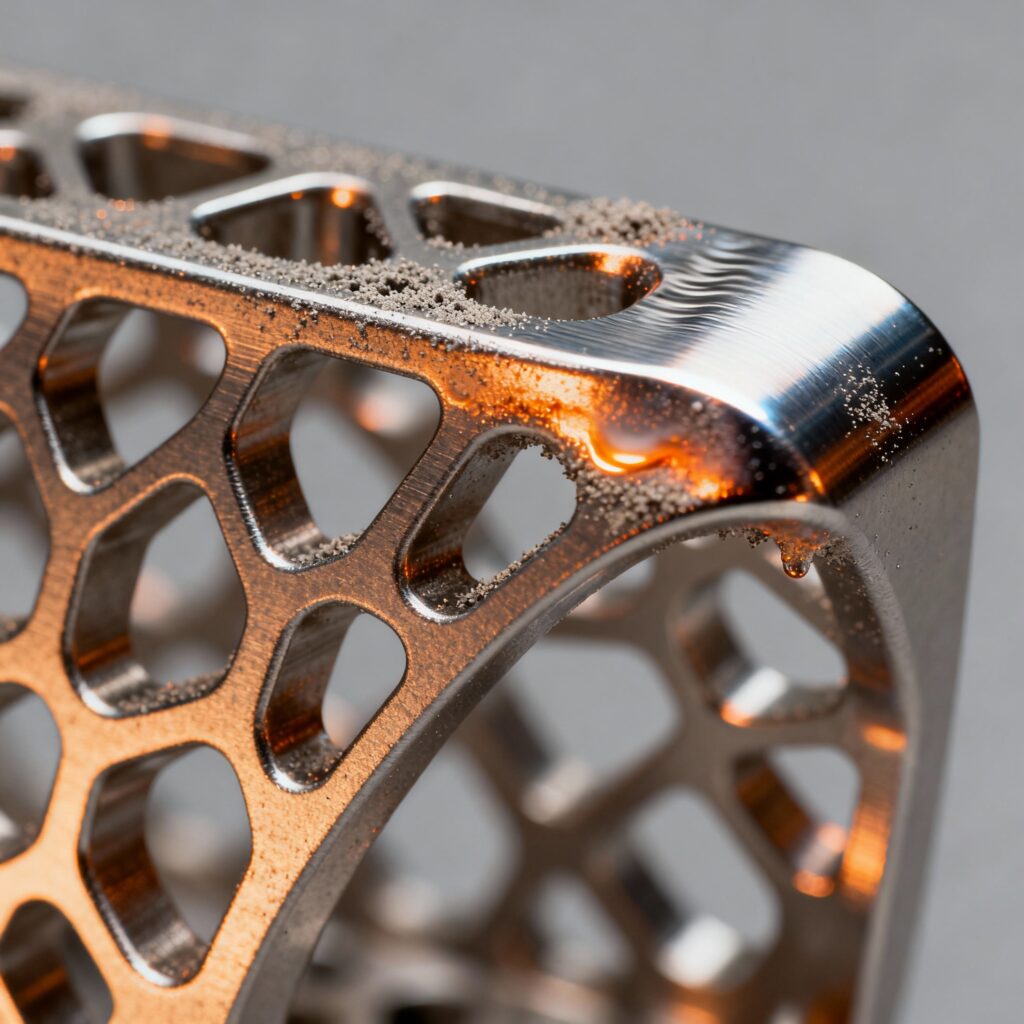
3D printing revolutionizes luxury and automotive: Subaru produces accessories in-house, Bentley uses 3D platinum, PRO creates ultra-lightweight saddles. More sustainability, customization, and impossible design.

Industrial Scale and Large-Scale 3D Printing: Technologies, Challenges, and Advanced Applications

Industrial Scale and Large-Scale 3D Printing: Technologies, Challenges, and Advanced Applications

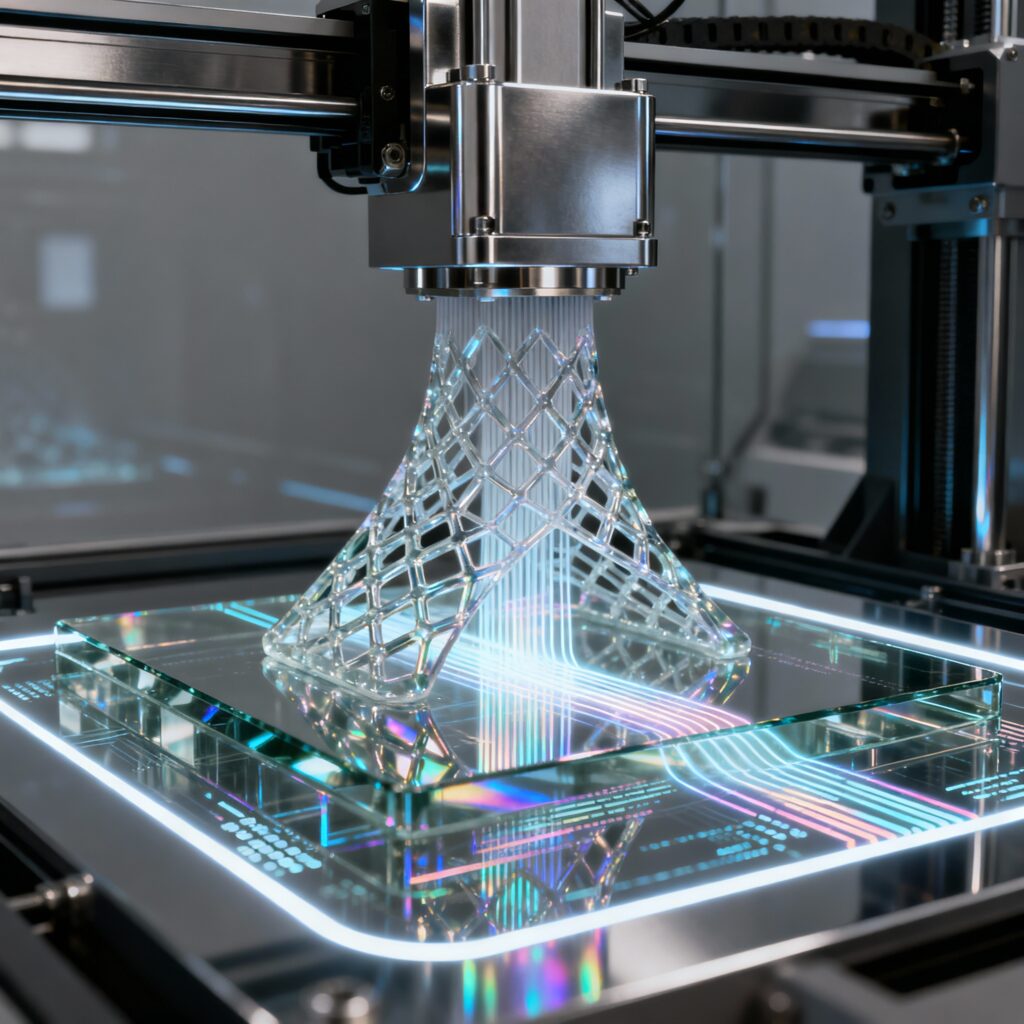
Industrial 3D printing scales volumes and speeds: SLA and FDM XXL, advanced materials, Industry 4.0 automation, and new frontiers in tooling, construction, and aerospace.

Investments in Industrial 3D Printing Infrastructure: Unprecedented Growth in 2026

Investments in Industrial 3D Printing Infrastructure: Unprecedented Growth in 2026

In 2026, record investments in industrial 3D printing: +51% hardware revenue, China boom +221%, defense and water infrastructure projects with CO₂ savings up to 501%.

Industrial and Large-Scale 3D Printing Adoption: Technical Challenges and Implementation Strategies

Industrial and Large-Scale 3D Printing Adoption: Technical Challenges and Implementation Strategies

Industrial 3D printing is mature: SLA at large scale, advanced materials, and safety standards are driving aerospace, defense, and construction. Cost reduction, digitalization, and multi-material capabilities are the keys to scaling.

Adoption of 3D printing in industry and manufacturing: an ongoing revolution

Adoption of 3D printing in industry and manufacturing: an ongoing revolution

Industrial 3D printing in 2025 surpasses prototyping: Asia on the rise, costs -60%, multi-material components, redesigned supply chains, and on-demand production even in space.

/