FlashForge patents automatic toolhead changing for FFF 3D printers
FlashForge has filed a Chinese patent describing an automatic print head change system for multi-material and multi-color 3D printing. The solution aims to reduce the mass carried by the carriage during printing, keeping unused print heads separate.
- Chinese patent CN122425892A assigned to Zhejiang FlashForge Group Co.
- System with side rack for interchangeable print heads
- The carriage picks up only the required print head, leaving the others parked
- Alternative to fixed dual extruders and multi-filament nozzles
A different approach to multi-material printing
FlashForge proposes a solution that physically separates materials, hotends, and nozzles, reducing the weight carried during printing movements.
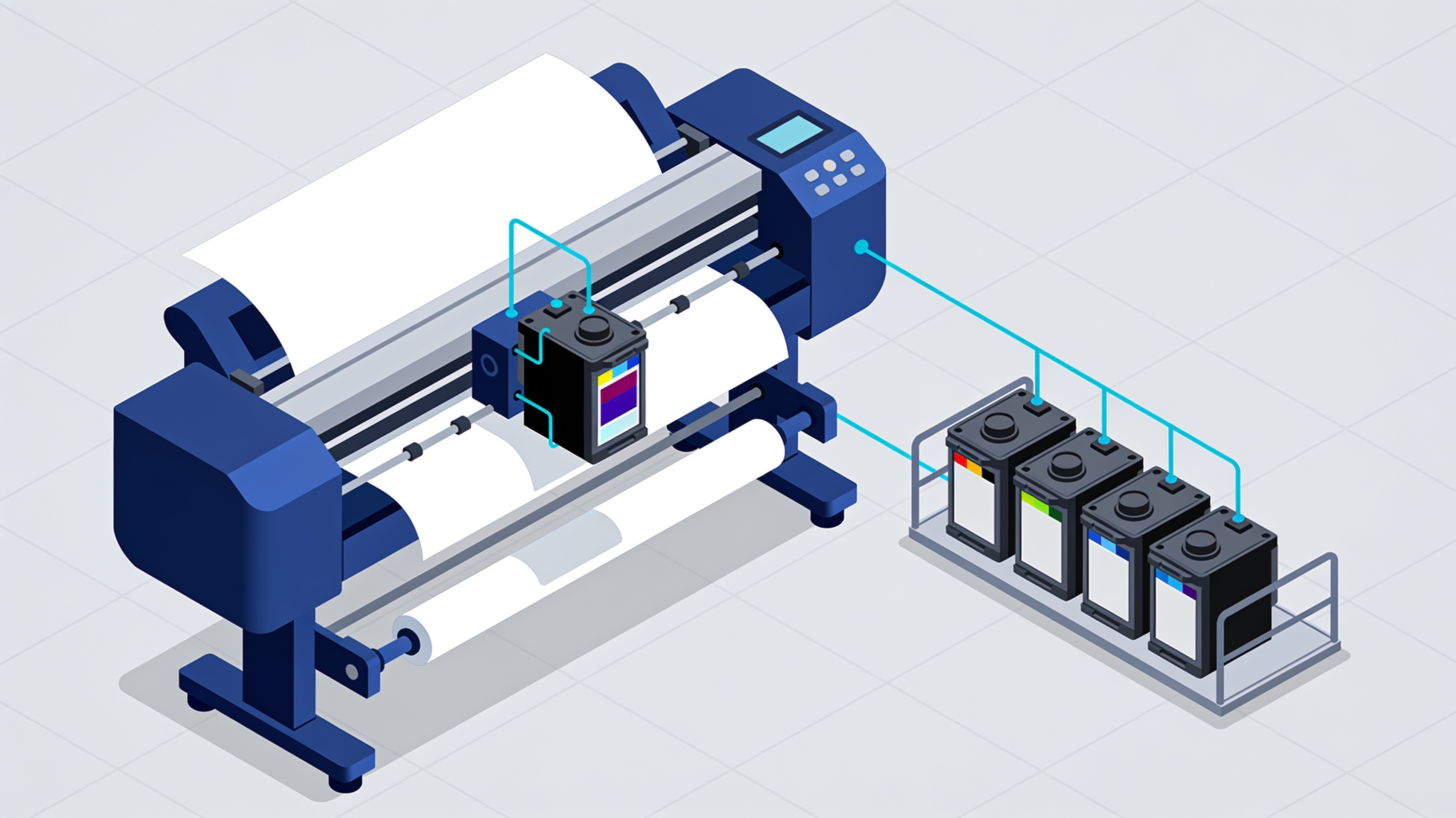
Patent application CN122425892A describes a device with multiple print heads placed on a movable side support. The printer carriage only attaches the unit needed for the current work phase, while the others remain stationary in a parking position.
This architecture differs from systems with two extruders permanently mounted on the same carriage. It also stands out from configurations with a single nozzle fed by multiple spools.
Mechanics of the change system
The patent provides for a rack that holds the print heads in sequence. The carriage moves to pick up the unit requested by the slicing software.
When a specific color or material is needed, the support moves laterally until it aligns the correct print head with the carriage. The carriage reaches the change zone, connects to the print head, and removes it from the support.
At the end of the printing phase, the carriage returns the print head to its original position, releases it, and can pick up another one. The drawings associated with the application show four print heads, but the claims do not limit the system to that specific number.
The system avoids transporting all hotends simultaneously. The carriage carries only the mass necessary for the current operation, reducing inertia during rapid movements.
Advantages of physical separation
Keeping the print heads separate allows managing incompatible materials and optimizing the dynamics of the handling system.
FlashForge aims to keep materials, hotends, and nozzles separate, reducing the number of components transported during printing movements. This setup avoids moving all hotends together, while unused print heads remain stationary.
The configuration could facilitate printing with soluble supports and materials that require different temperatures. Each print head maintains its own dedicated hotend and nozzle, eliminating contamination issues between materials.
Commercial prospects
The patent does not constitute confirmation of a future commercial printer, but it indicates the company's development directions.
The document shows which technical issues FlashForge intends to address in future developments dedicated to printing with multiple colors, different materials, and soluble supports. FlashForge could design configurations with a different number of modules, provided that the rack structure, indexing system, and software are adequately sized.
The Chinese patent application CN122425892A has been assigned to Zhejiang FlashForge Group Co. Any commercial implementation will depend on the technical validation of the system and the market response to multimaterial solutions.
article written with the help of artificial intelligence systems
Q&A
What does FlashForge's Chinese patent consist of?
Patent CN122425892A describes an automatic printhead swapping system for multi-material and multi-color 3D printing. The solution features a side rack where unused printheads remain parked.
What is the main advantage of this system compared to dual extruders?
The approach physically separates materials, hotends, and nozzles, significantly reducing the mass carried by the carriage during movements. This decreases inertia and optimizes printing dynamics compared to systems with fixed extruders.
How does the printhead retrieval mechanism work?
A lateral mobile support aligns the correct printhead with the carriage when required by the slicing software. The carriage connects to the needed unit, retrieves it, and, after use, returns it to its original position.
How many printheads can the patented system handle?
Although drawings associated with the patent application show four printheads, the claims do not limit the system to that specific number. The architecture is designed to be scalable based on production needs.
For which types of printing is this technology ideal?
The configuration facilitates managing incompatible materials by keeping them separate in dedicated hotends. It is particularly useful for applications requiring frequent color or material changes without compromising speed.