Applicazione: Research

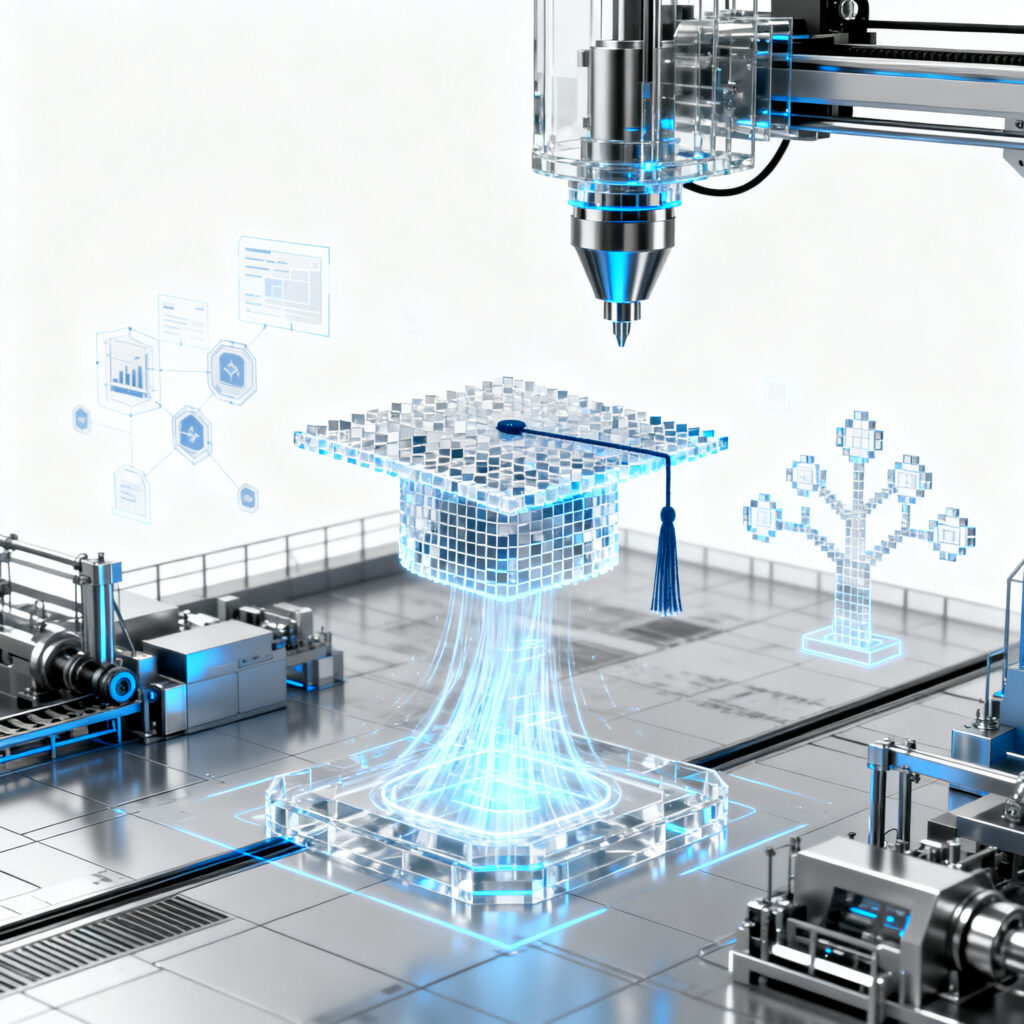
Advanced Photopolymerization: When Speed Meets Precision

Advanced Photopolymerization: When Speed Meets Precision

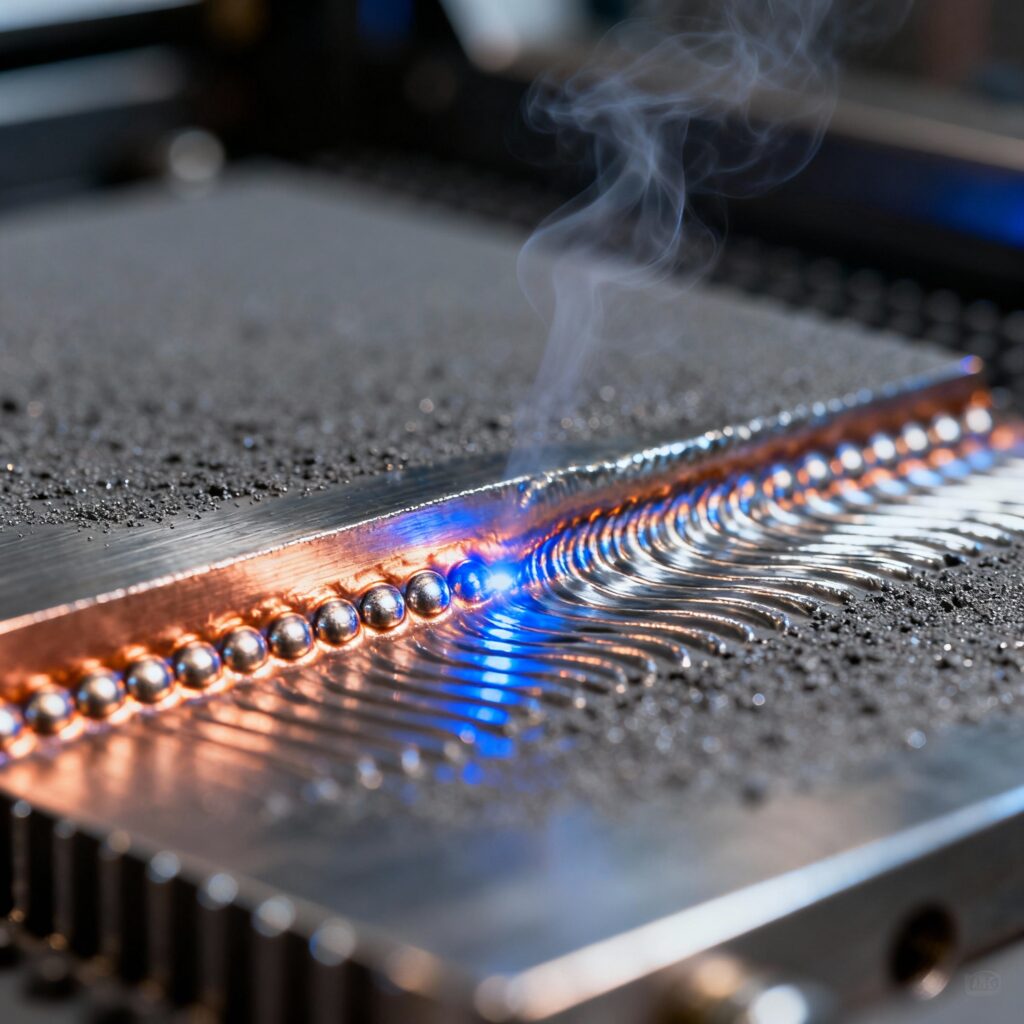
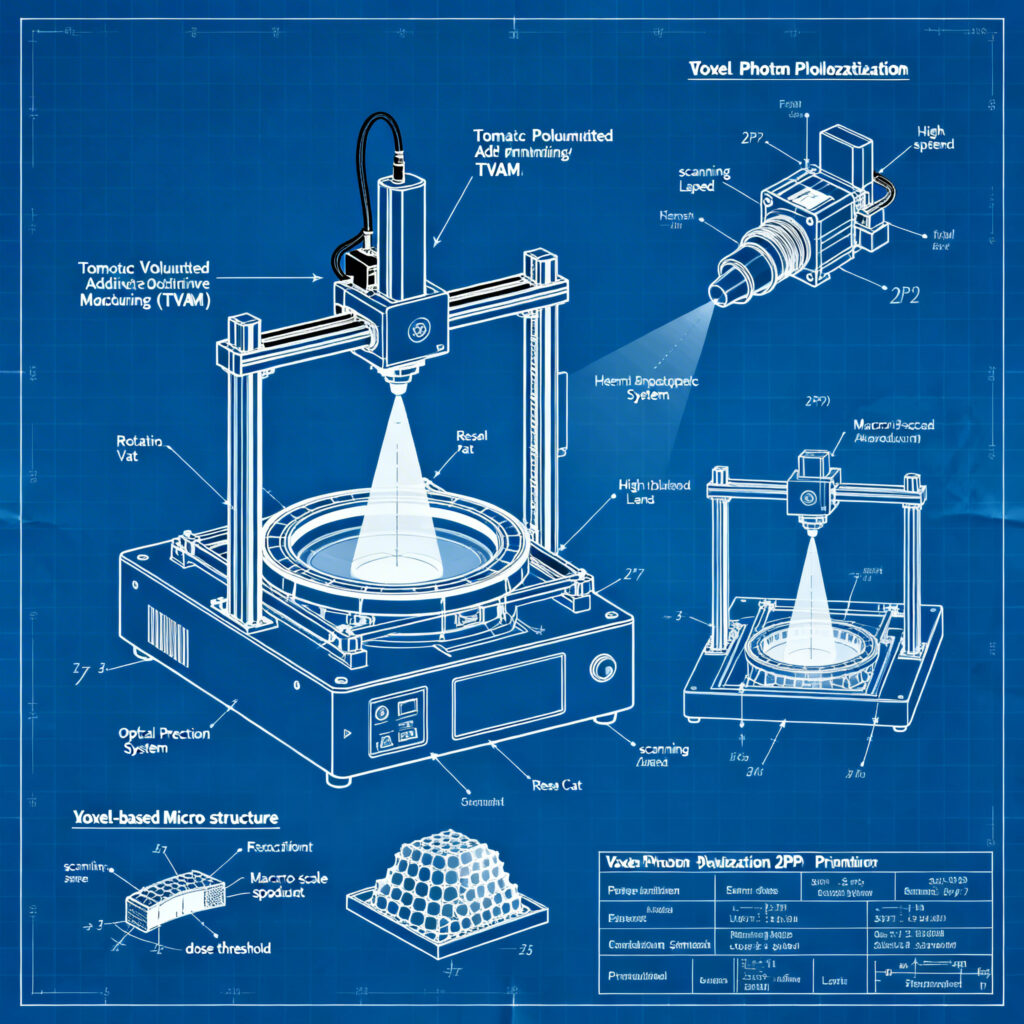
Advanced photopolymerization in 3D printing includes technologies such as TVAM, which is fast but less precise, and 2PP, which is extremely detailed but slow. Both offer complementary advantages: TVAM for rapid volumes, 2PP for micro-details. Hybrid solutions integrate the two technologies to maximize productivity and precision, opening up new possibilities in fields such as bio-engineering and micro-optics.
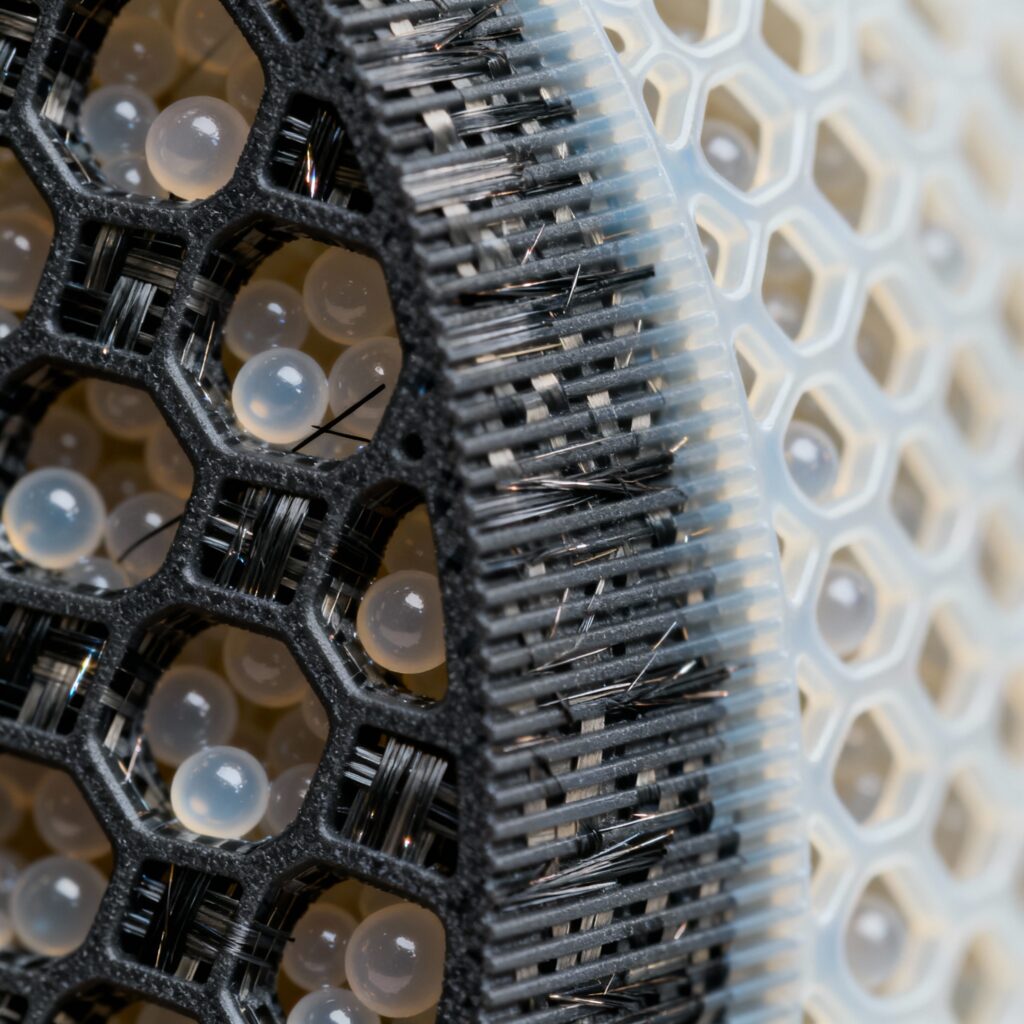
Metamaterials in Nitinol for Medical Applications and Actuators: How Geometric Design Restores Superelasticity

Metamaterials in Nitinol for Medical Applications and Actuators: How Geometric Design Restores Superelasticity

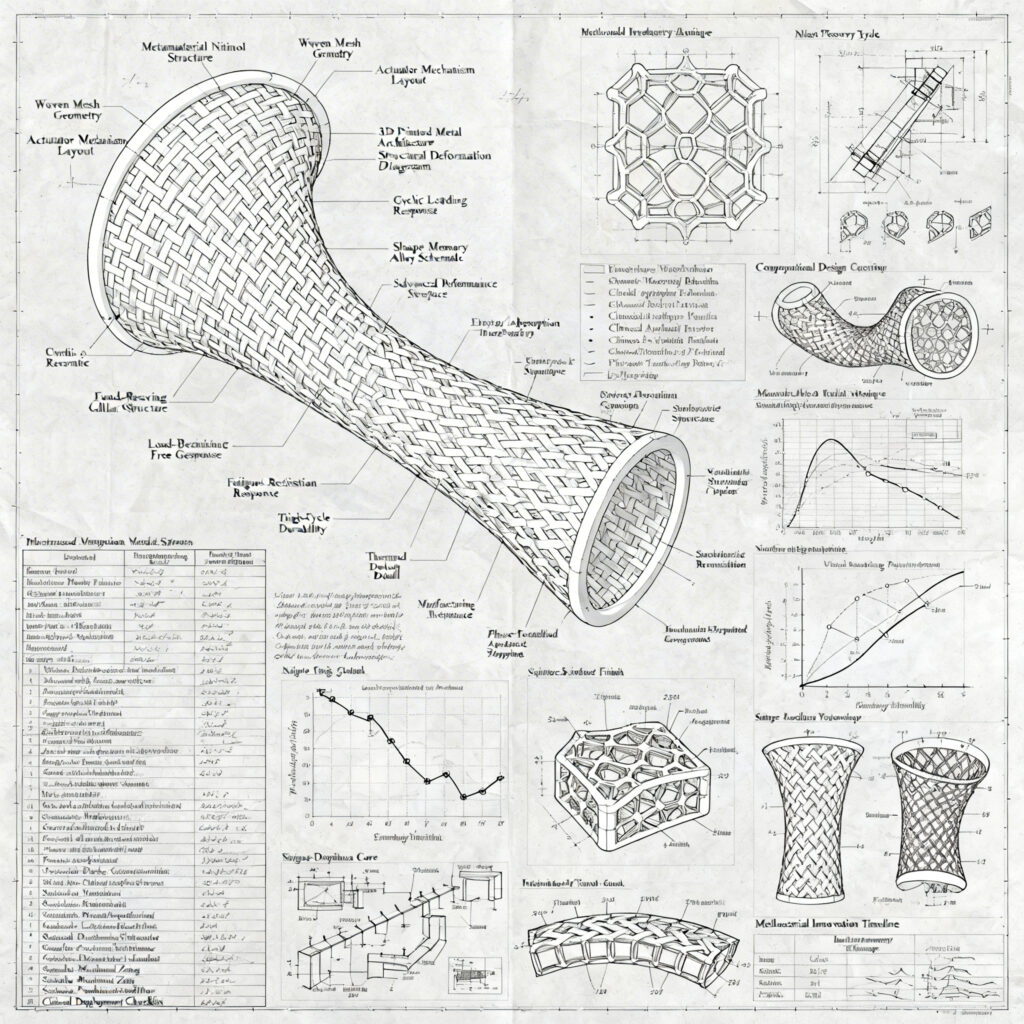
Researchers from IMDEA Materials Institute and UPM have developed metamaterials in 3D printed Nitinol with interwoven structures that restore superelasticity, overcoming the limits of traditional 3D printing. Thanks to geometries inspired by fabrics, it is possible to obtain advanced biomedical devices and smart actuators, opening new perspectives for clinical and engineering applications

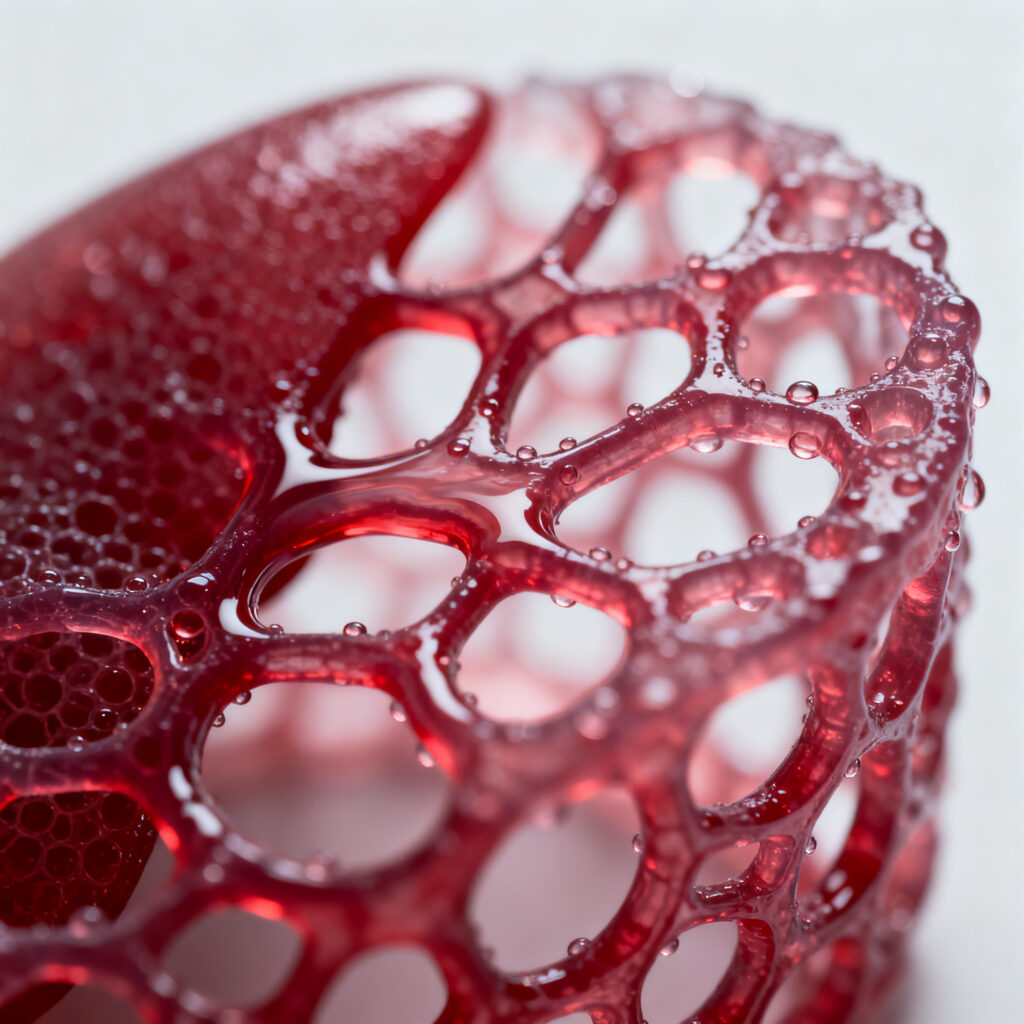
How 3D Anatomical Models Work in Surgical Planning for Medical Education

How 3D Anatomical Models Work in Surgical Planning for Medical Education

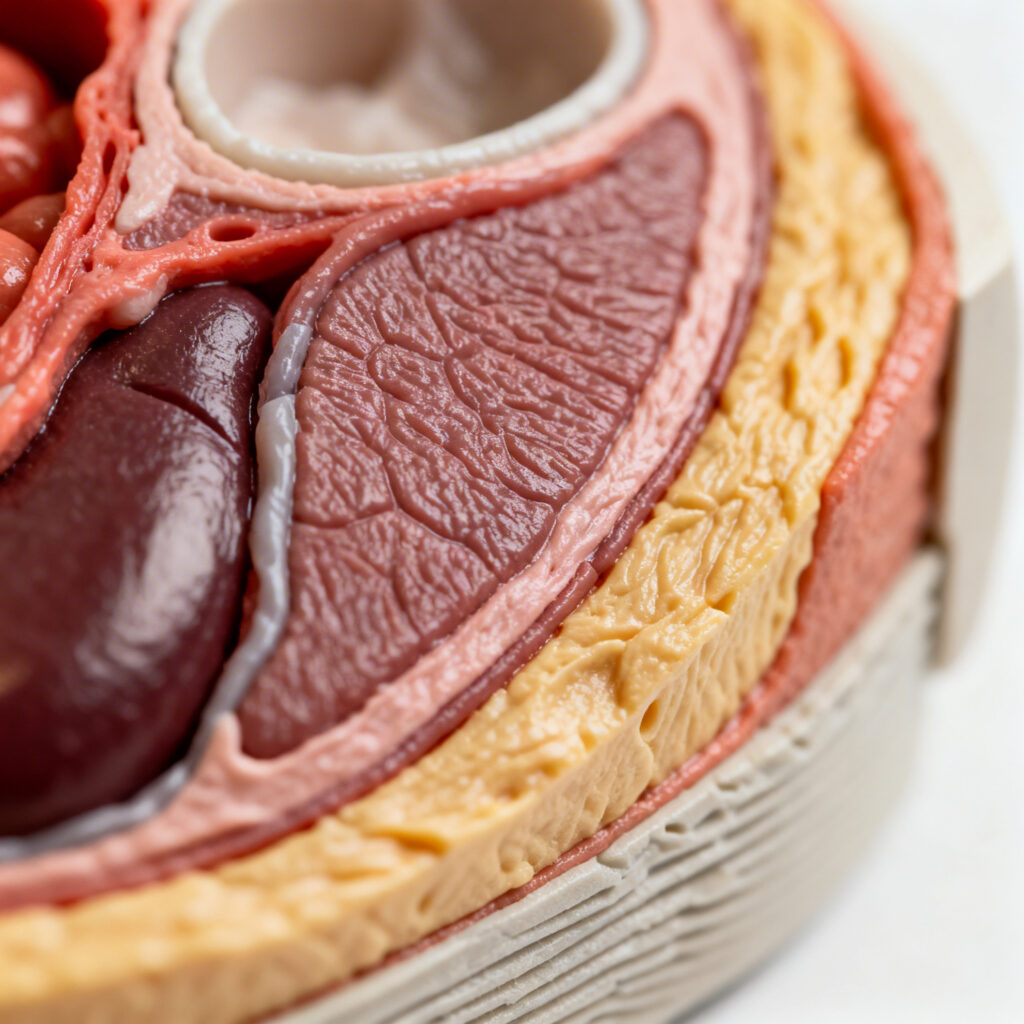
Surgical planning with 3D anatomical models is revolutionizing medical education, offering realistic and personalized simulations for surgeon training. Thanks to multi-layer printing technology and radiological data, it is possible to faithfully recreate human tissues, allowing for simulated interventions without risk to patients. Models, used in university and cli

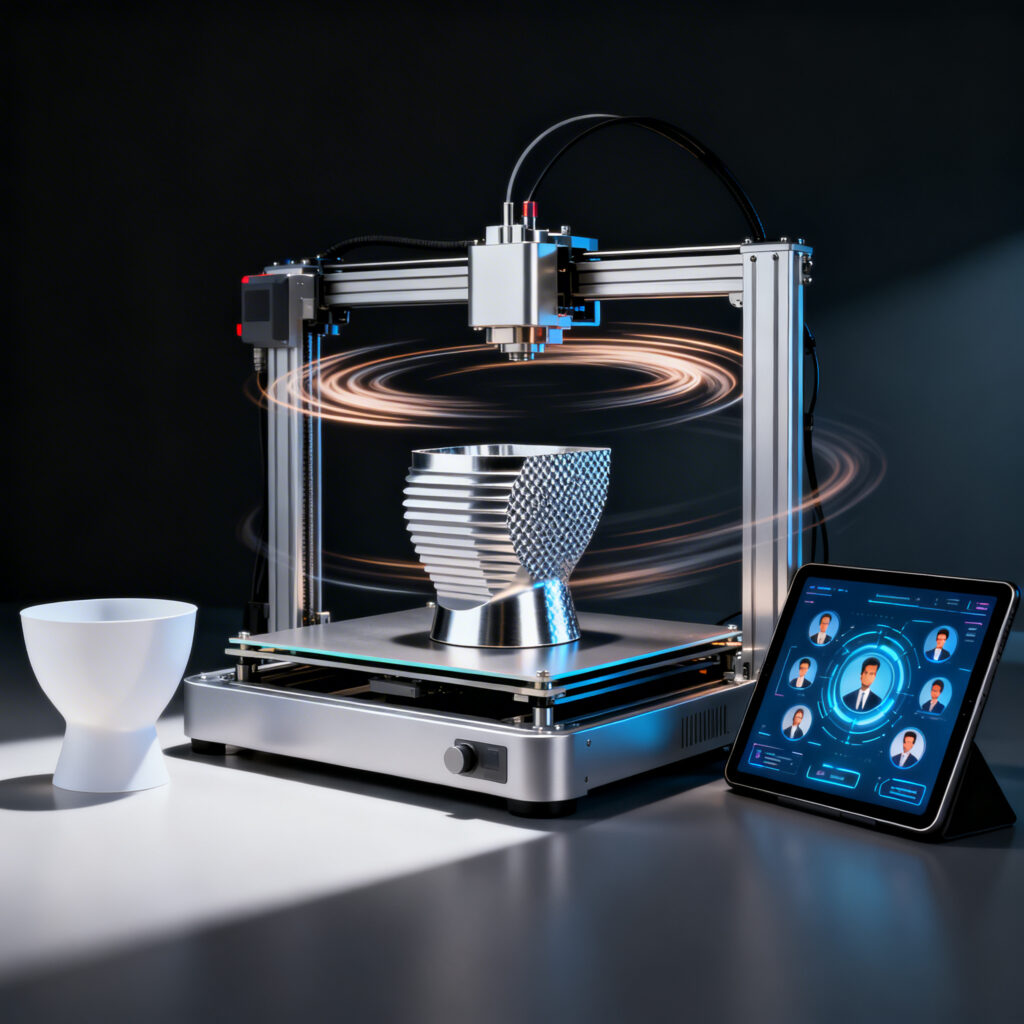
How 3D Printing Transforms Product Innovation: Speed, Materials, and Digital Collaboration

How 3D Printing Transforms Product Innovation: Speed, Materials, and Digital Collaboration

How 3D Printing Transforms Product Innovation: Speed, Materials, and Digital Collaboration 3D printing is not just an emerging technology: it is a tool that is redefining the early stages of innovation in...

Liver Bioprinting: A Decisive Step Towards Temporary Liver Regeneration

Liver Bioprinting: A Decisive Step Towards Temporary Liver Regeneration

Carnegie Mellon leads the $28.5 million LIVE project to print temporary liver tissue: a “biological bridge” that supports the liver in regeneration, avoids transplantation, and reduces waiting lists within 5 years.

Advanced Training in Industrial Additive Manufacturing: Future Skills for Production 4.0

Advanced Training in Industrial Additive Manufacturing: Future Skills for Production 4.0

The lack of skills is slowing the growth of additive manufacturing: universities, industry, and certifications converge to rapidly train 4.0 professionals.

Underwater 3D Printing: New Technologies for Marine Exploration and Conservation

Underwater 3D Printing: New Technologies for Marine Exploration and Conservation

Cornell prints 3D concrete on the seabed using marine sediments: lower costs, zero transport, autonomous robots and reduced environmental impact for sustainable infrastructure.

Metal 3D Printing in Aerospace and Defense: Advanced Technologies and Critical Applications

Metal 3D Printing in Aerospace and Defense: Advanced Technologies and Critical Applications

Metal 3D printing is now strategic in aerospace and defense: advanced alloys, certified processes, closed-loop recycling, and military and space use cases are accelerating its global adoption.

Automation and software development in the 3D ecosystem: tools, pipelines, and methodologies for advanced digital production

Automation and software development in the 3D ecosystem: tools, pipelines, and methodologies for advanced digital production

Automation and AI in 3D pipelines: from Ergono3D to Velo3D, printing costs and times are reduced, including qualification and cybersecurity.

Spatial and Aerospace Integration: Advanced Technologies for Orbital Convergence

Spatial and Aerospace Integration: Advanced Technologies for Orbital Convergence

3D Printing and AI Transform Space-Aerospace Integration: Ultra-lightweight Components, Low-Cost Satellites, Multi-Orbit Antennas, and Accelerated Digital Workflows Drive Orbital Convergence.

Optimization of Materials and Processes in 3D Printing: Advanced Strategies for 2026

Optimization of Materials and Processes in 3D Printing: Advanced Strategies for 2026

3D Printing 2026: multi-material, Al-Fe-Mn-Ti alloys 300 °C, Voxelfill against anisotropy, CFD for optimal parameters, self-eliminating supports, Stonehenge testing, open software and sustainability.

Expansion of Metal Additive Production: Technologies, Markets, and Future Prospects

Expansion of Metal Additive Production: Technologies, Markets, and Future Prospects

Metal additive manufacturing is growing thanks to new high-speed technologies and materials for extreme environments, with applications in aerospace, defense, energy and nuclear fusion. Goal: lighter, more efficient and certified components.

/