3D Scanning: How the Technology that Transforms Reality into Digital Actually Works
3D scanning transforms real objects into editable and printable digital models, accelerating reverse engineering and production with precision up to 50 µm.

 Maker
Maker 3D scanning transforms real objects into editable and printable digital models, accelerating reverse engineering and production with precision up to 50 µm.
 Innovations
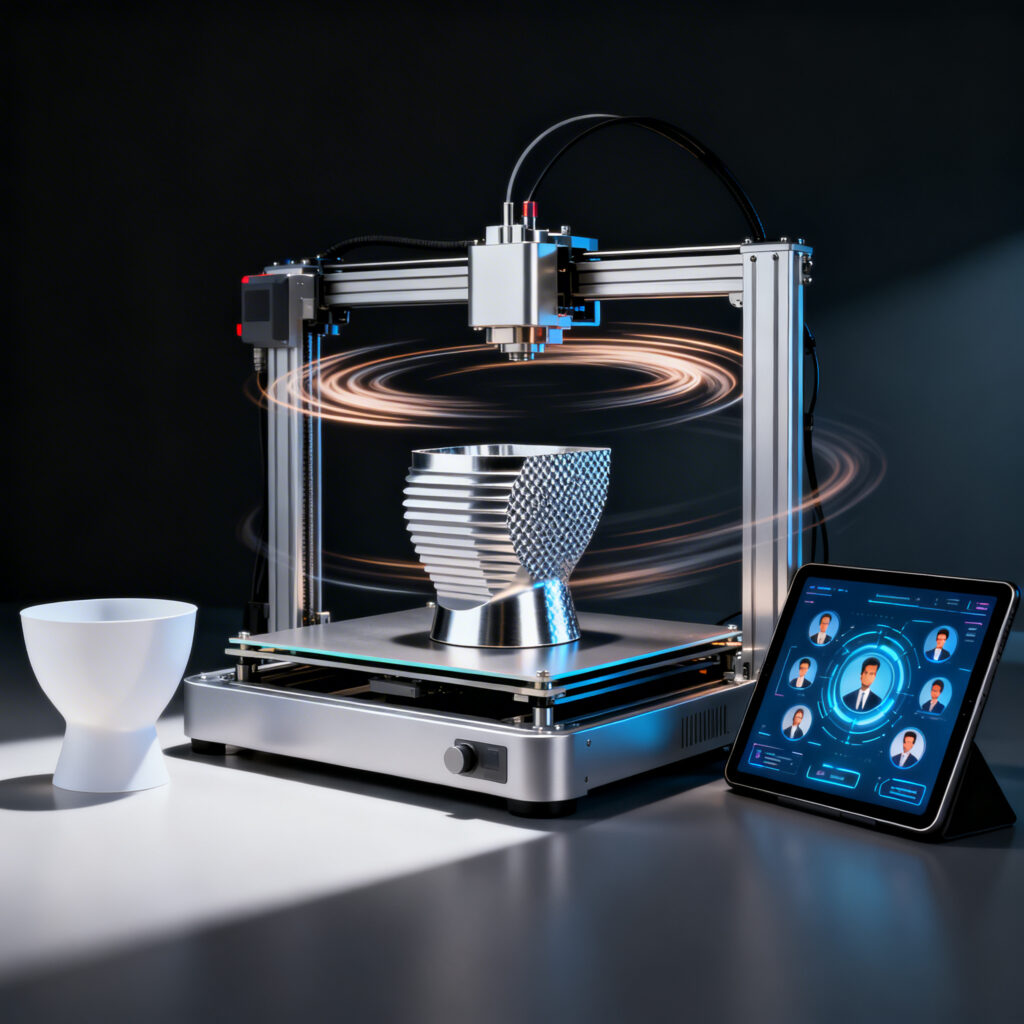
 How 3D Printing Transforms Product Innovation: Speed, Materials, and Digital Collaboration 3D printing is not just an emerging technology: it is a tool that is redefining the early stages of innovation in...
 Maker
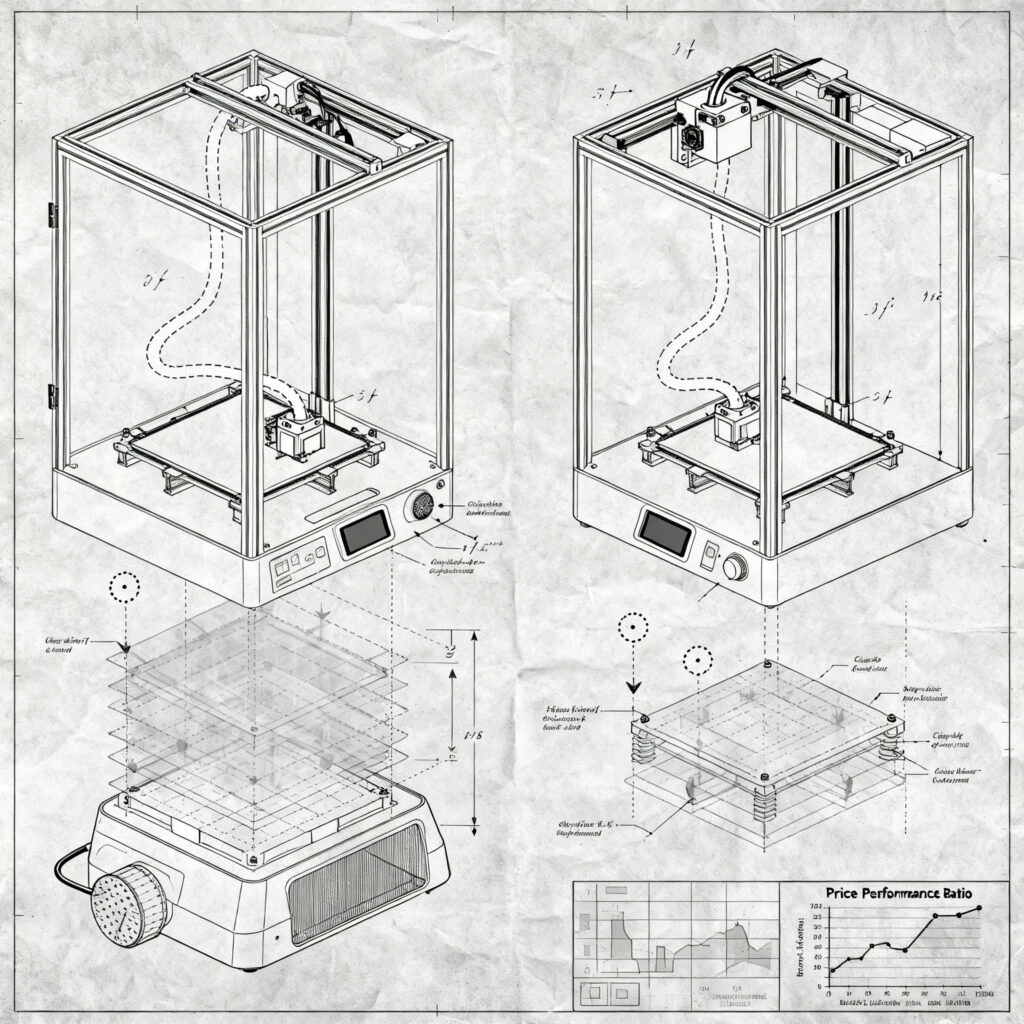
Maker Zortrax M300 Plus (3.990 $) is plug-and-play for those who want immediate reliability; Formbot Troodon 2.0 (1.049 $) offers record volume and temperatures but requires DIY calibration and maintenance. Choose based on your time, not just the price.
 Maker
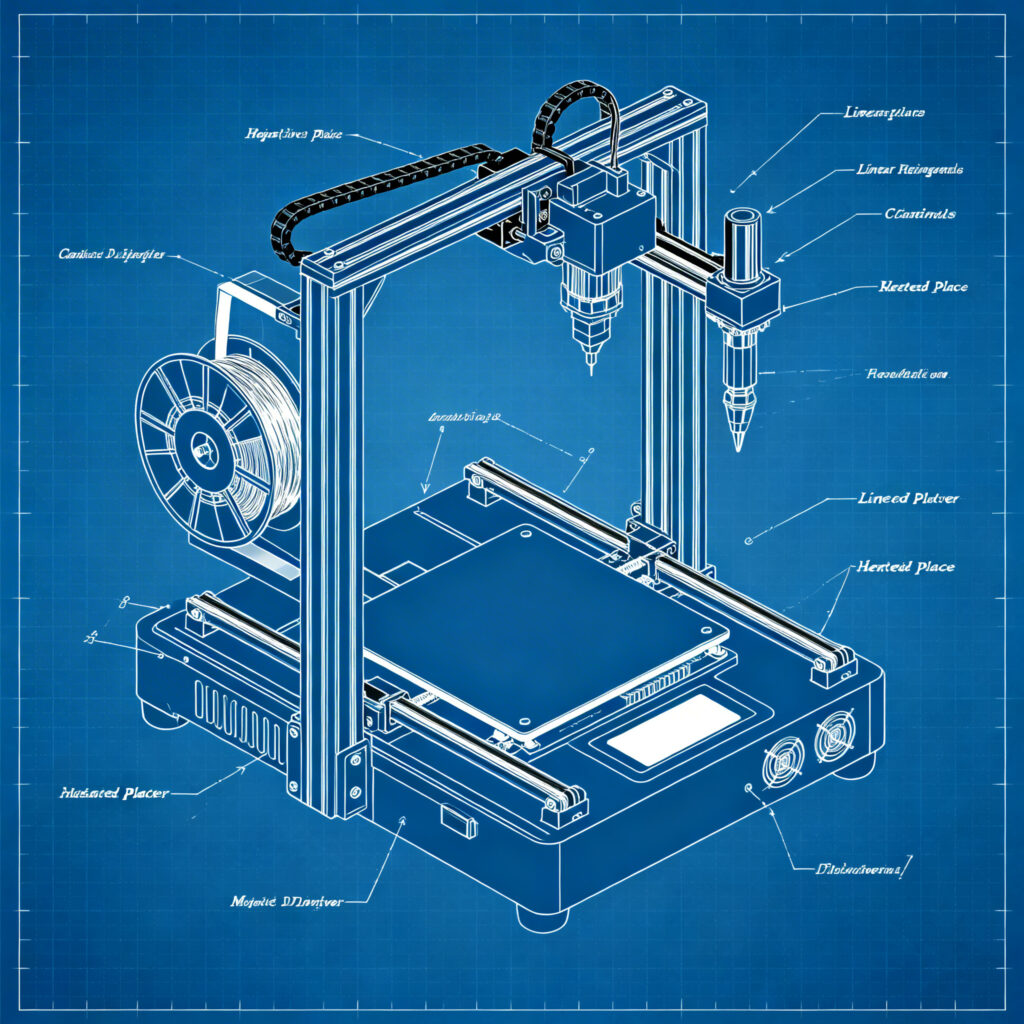
Maker In 2026, few home 3D printers truly offer innovation: Bambu Lab focuses on modularity and speed, Prusa on an open ecosystem, but speed, materials, and real costs need to be verified beyond the hype.
 Manufacturing
 AI revolutionizes 3D printing: real-time monitoring, automatic CAD-scan alignment, and predictive analysis reduce waste, time, and costs, making additive production scalable and competitive.
 Manufacturing
 Teradyne drives AI chip automation with precision robotics, end-to-end testing, and scalable solutions that accelerate production, quality, and traceability.
 Manufacturing
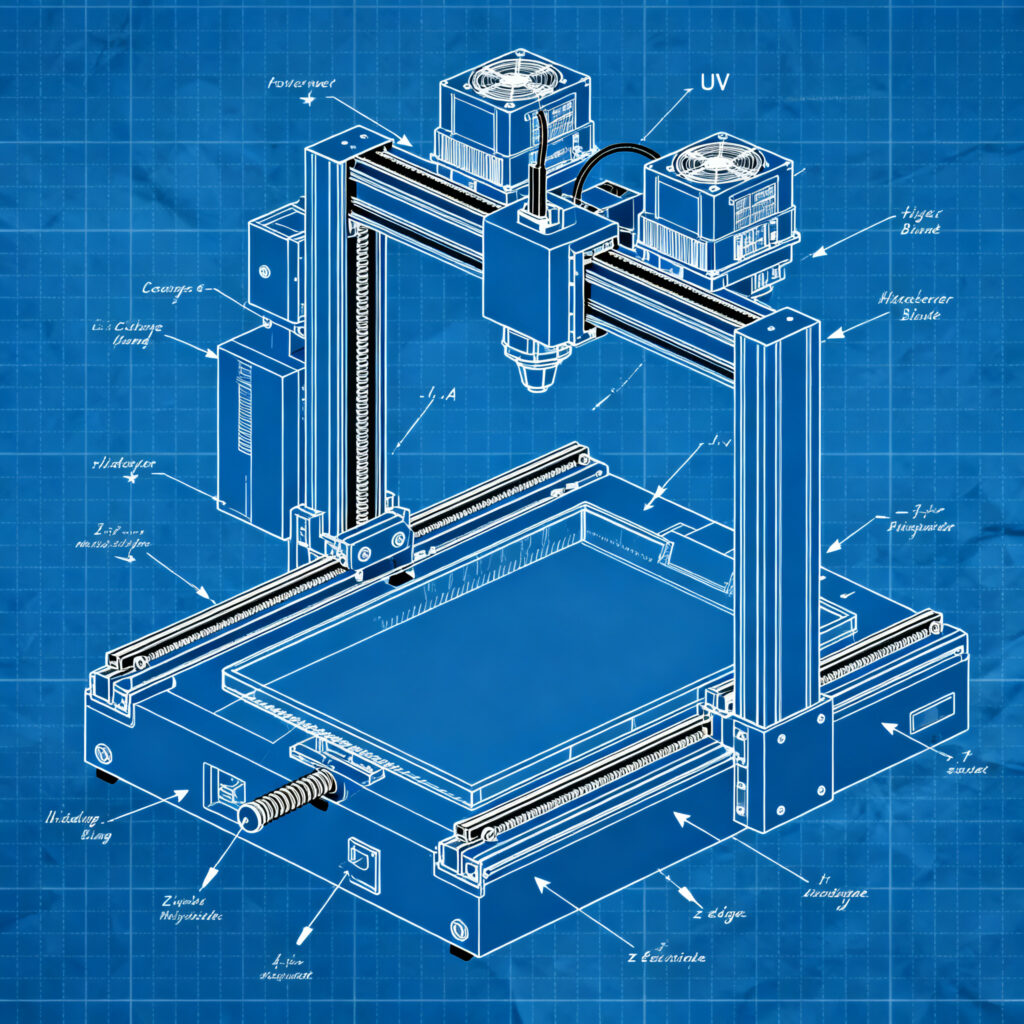
 Industrial SLA 3D printing reduces costs and setup times by up to 75%, transforming tooling and prototyping in automotive and aerospace with micrometric precision and savings up to 200,000 $ per project.
 Manufacturing
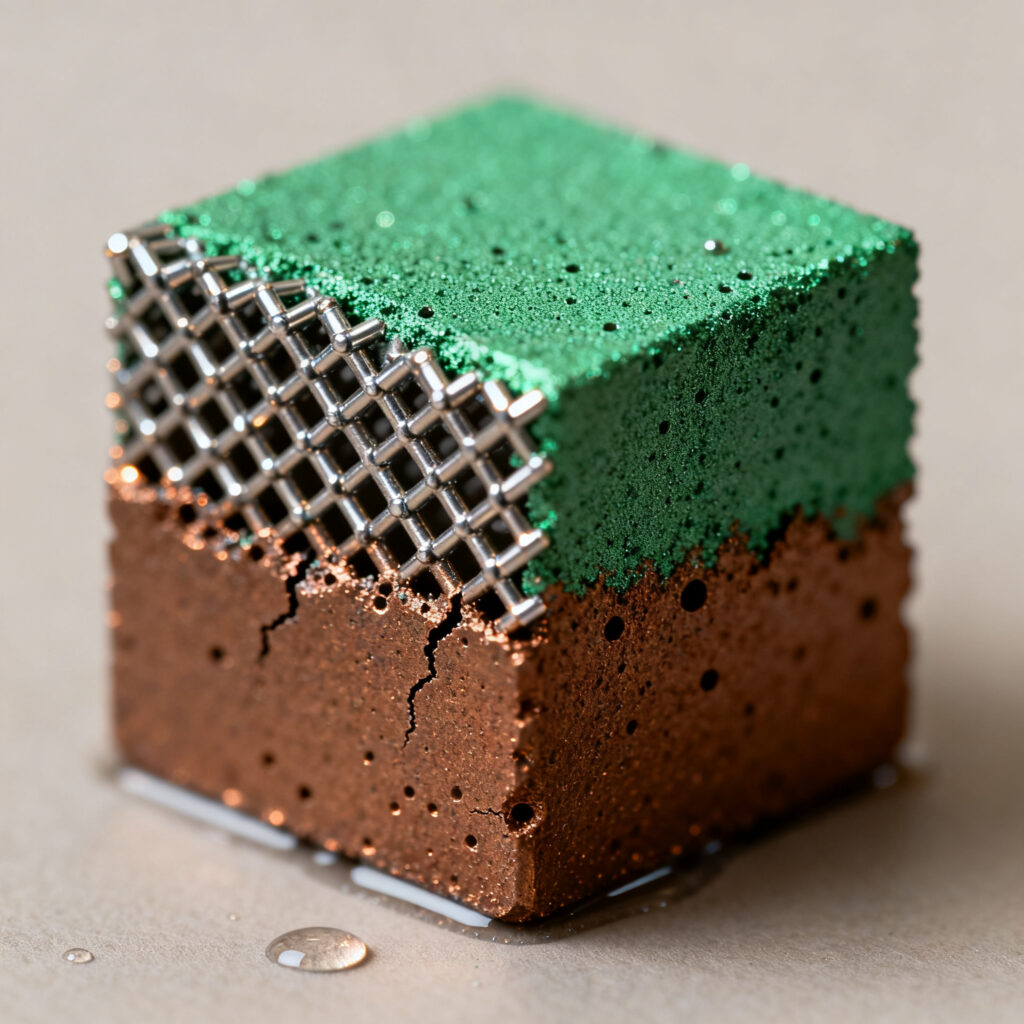
 Metal FFF: safe 3D printing with metal filaments, washing and sintering for dense and complex components without loose powders.
 Innovations
 3D printing revolutionizes fashion: rapid prototyping, custom-fit garments, and sustainable on-demand production. Challenges regarding materials and comfort remain, but the future is personalized, distributed, and zero-impact.
 Manufacturing
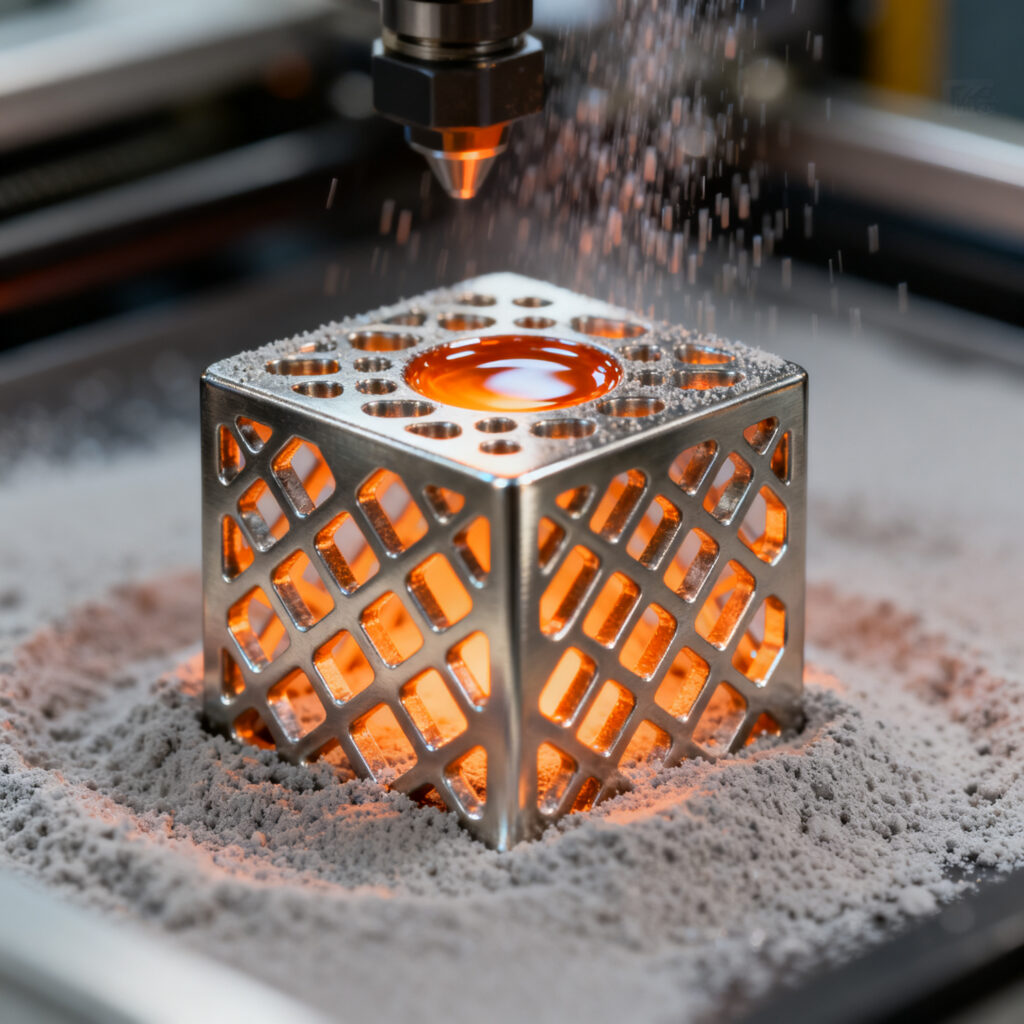
 Industrial 3D printing grows beyond 20% annually, moving from 40 to 250 billion dollars by 2035. Automation, aerospace, and defense adopt it for critical parts, cutting costs and times. Challenges: scalability, regulations, skills.
 Manufacturing
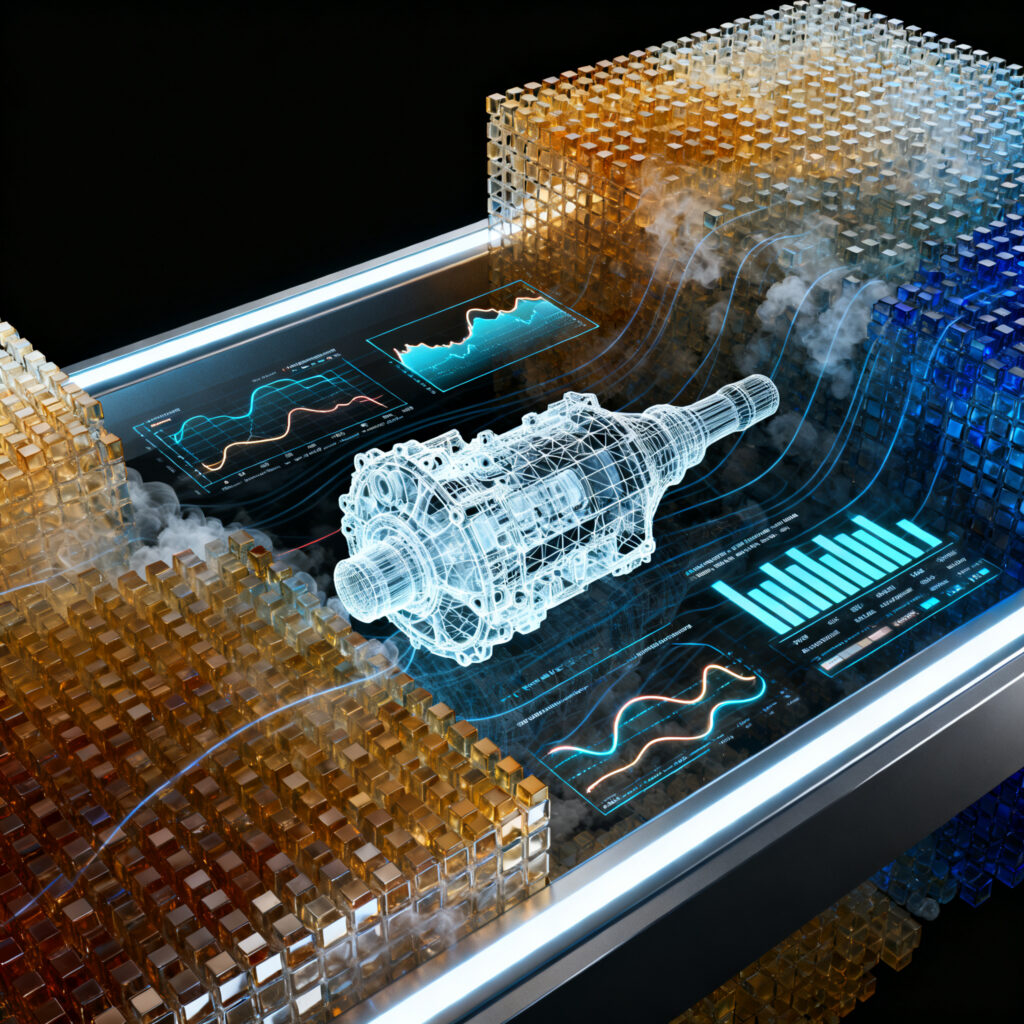
 Additive manufacturing is revolutionizing automotive and heavy industry: new materials, cloud-native CAD, AI, and digital traceability enable flexible batches and resilient supply chains.
 Manufacturing
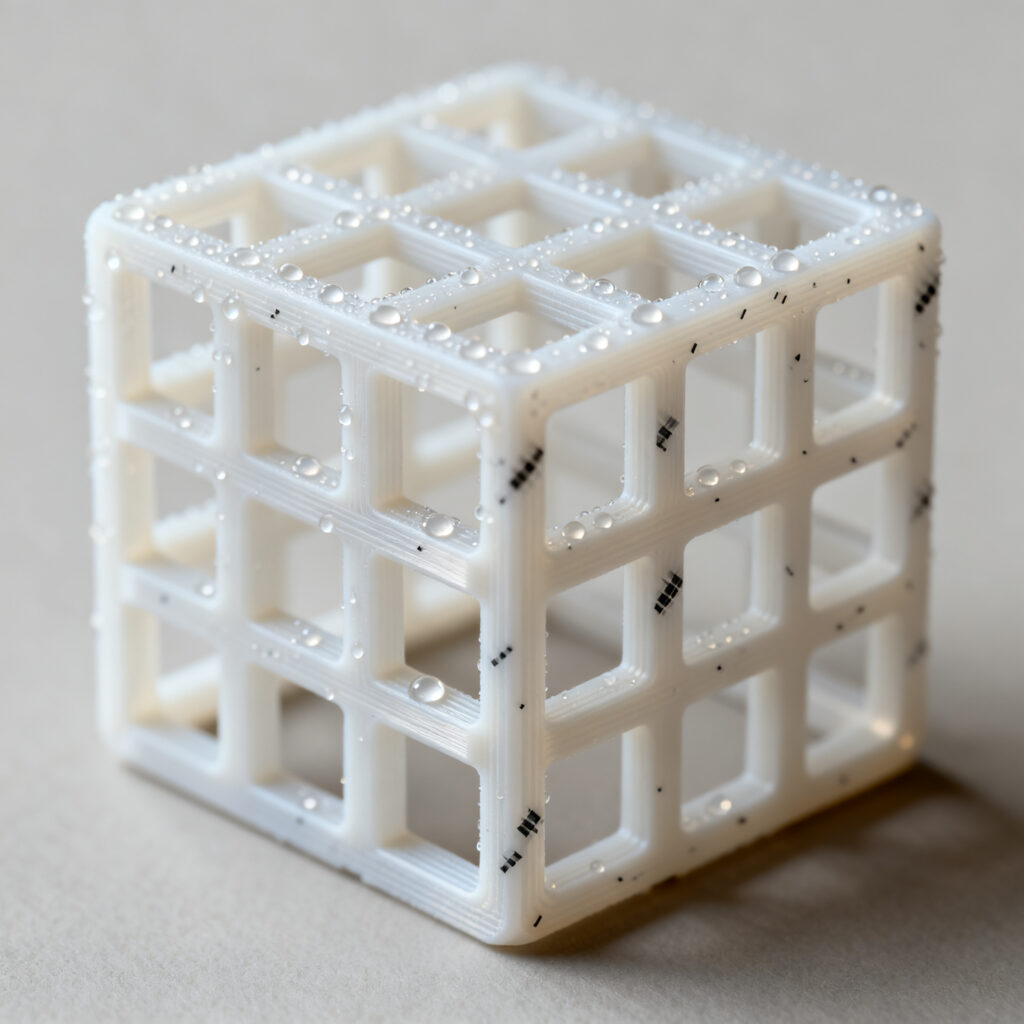
 Accessories and post-processing techniques transform 3D printing into professional production: automated washing, chemical smoothing, polymerization, and coloring guarantee industrial-quality finishes on every material.