Materiale: Composites

Ultrafast and High Precision in Industrial Additive Processes: How It Really Works

Ultrafast and High Precision in Industrial Additive Processes: How It Really Works

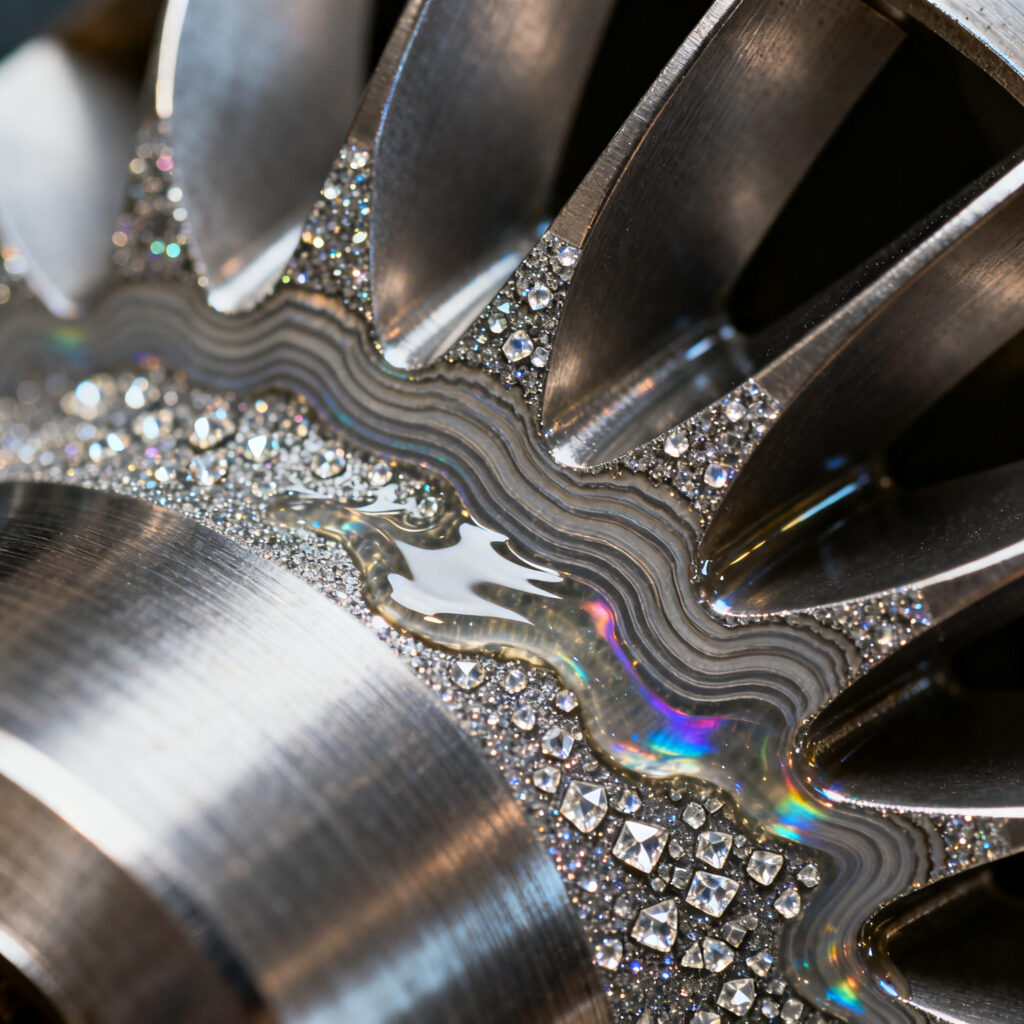
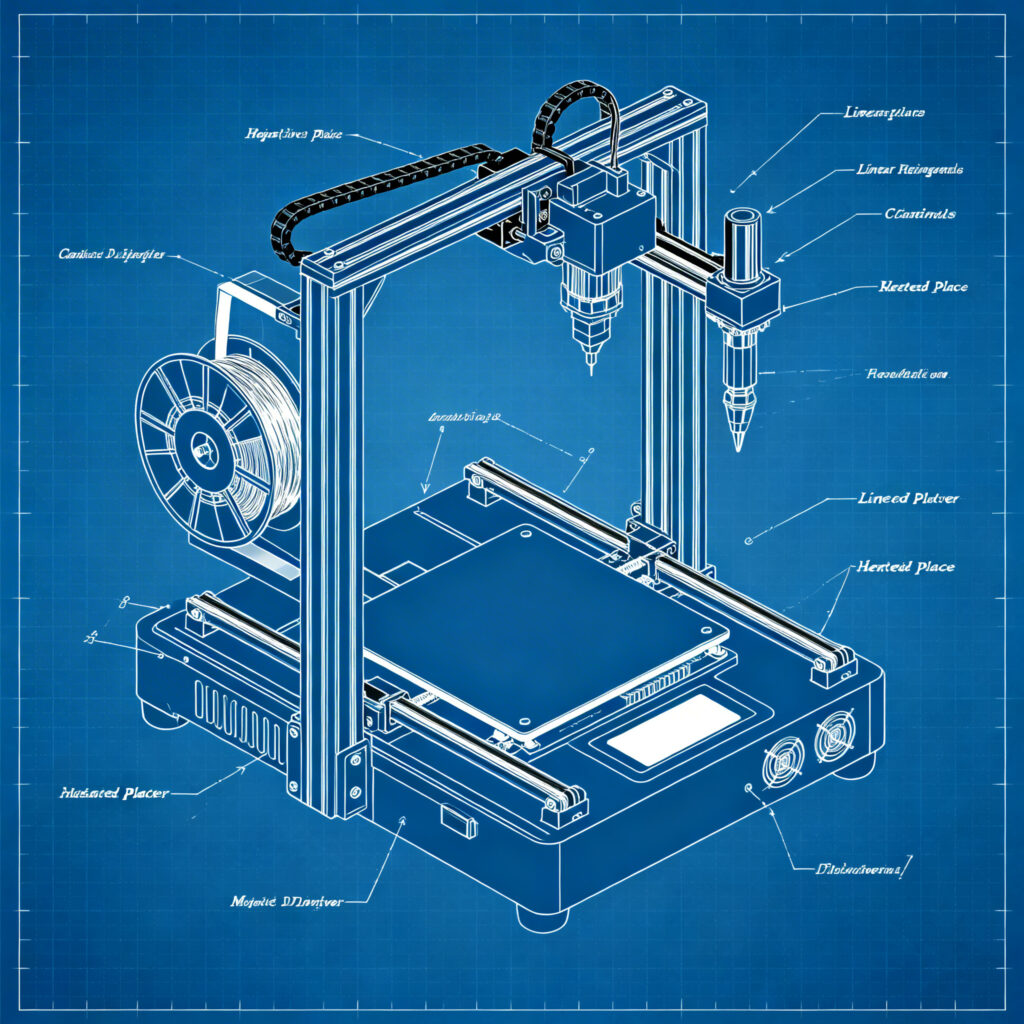
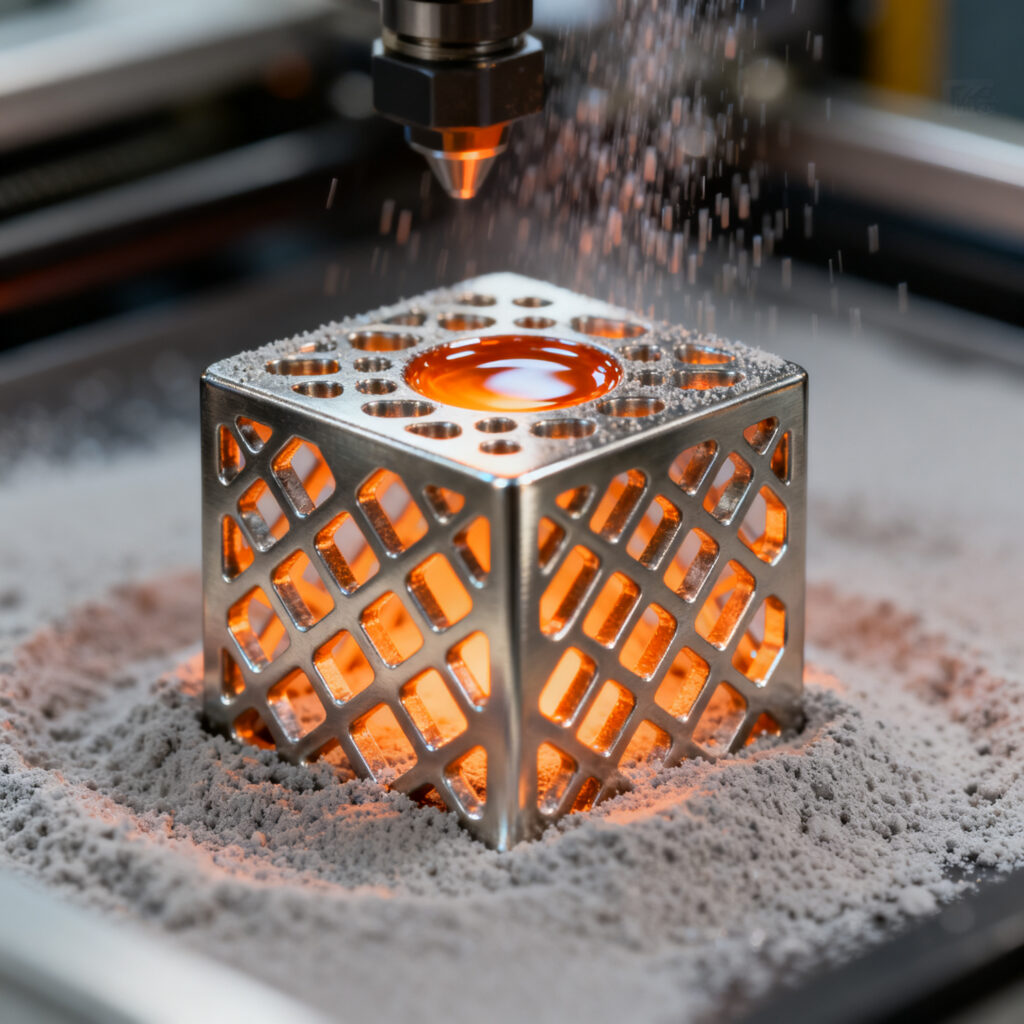
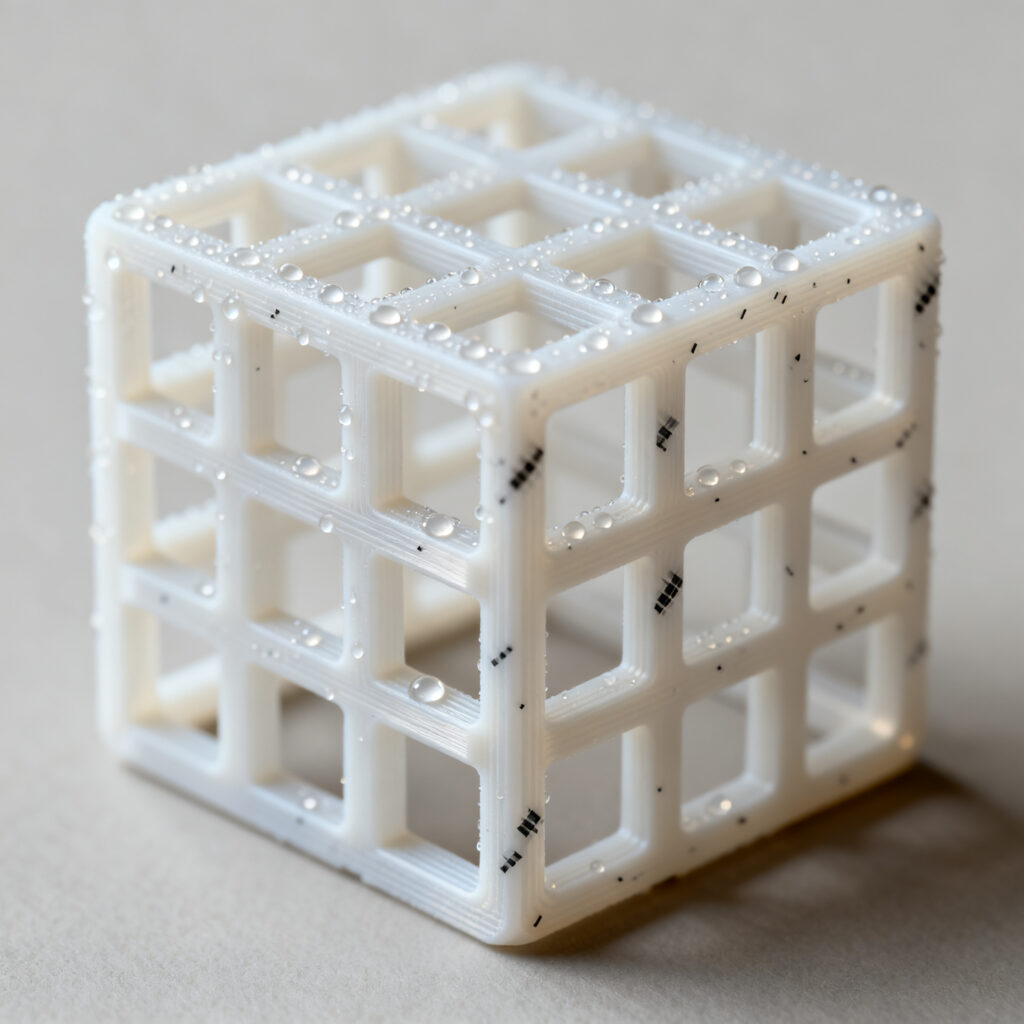
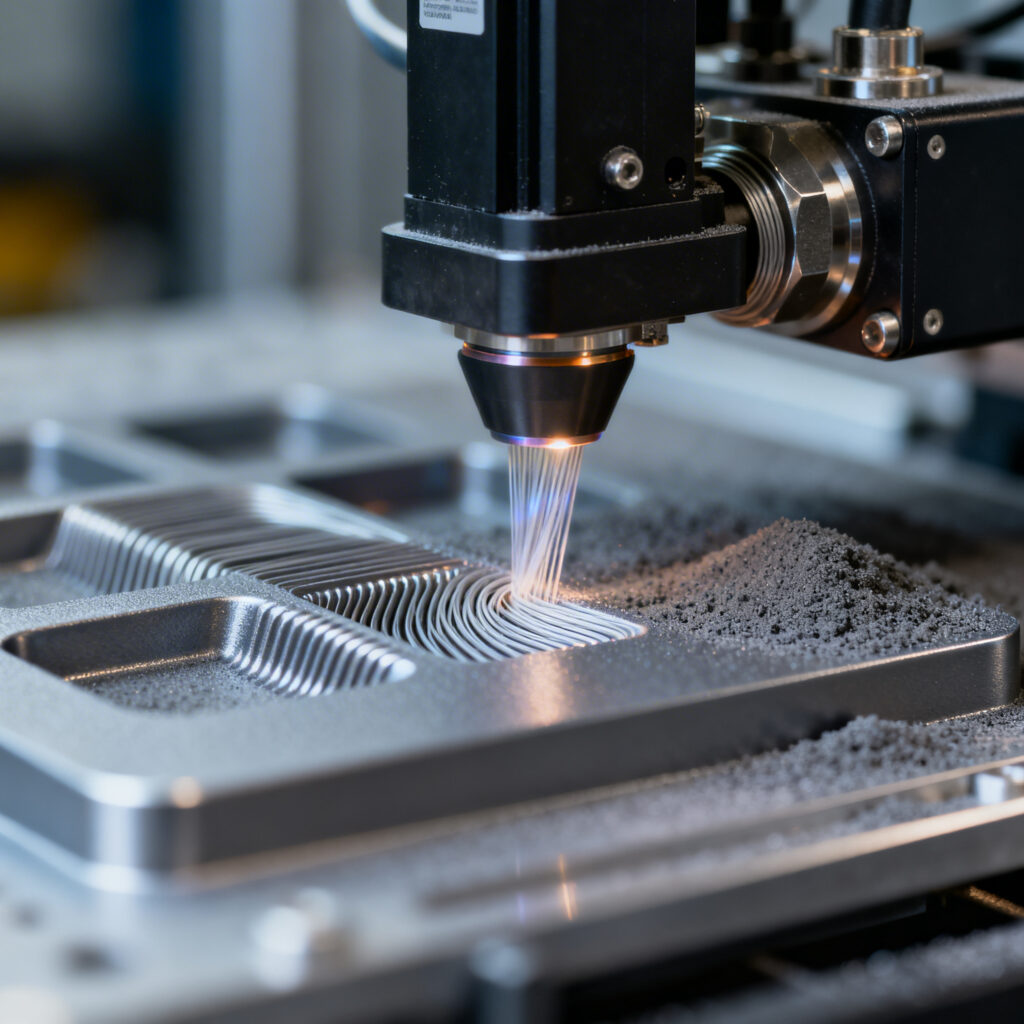
Industrial additive manufacturing today combines speed and precision thanks to advanced technologies such as multi-laser, AI and automated post-processing. Systems like SSLM and TVAM drastically reduce production times while maintaining high quality. High-performance materials – technical polymers, metal alloys and composites – expand applications. Automation in vapor smoothing and depowdering m

From Agricultural Waste to Construction Materials: How the Industrial Process Works

From Agricultural Waste to Construction Materials: How the Industrial Process Works

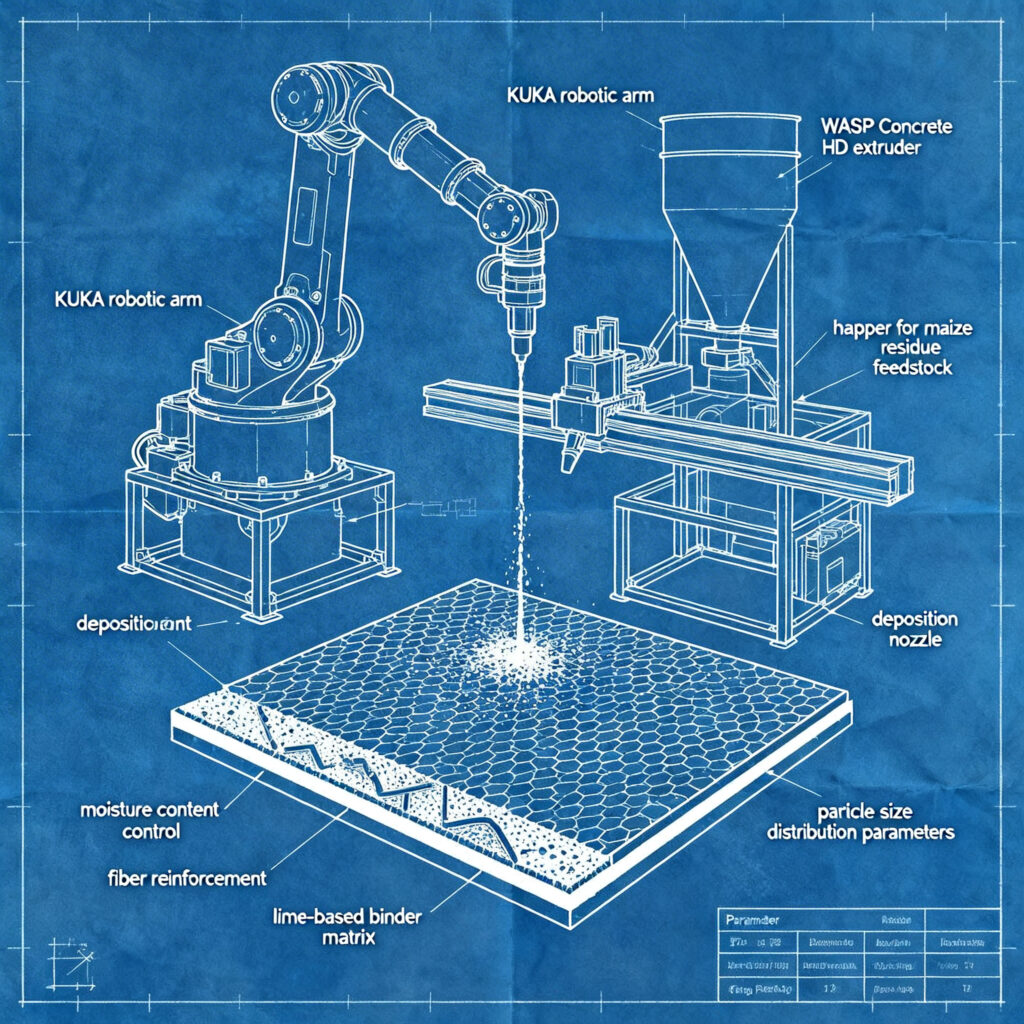
From agricultural waste to construction materials: an innovative industrial process transforms waste such as straw and peels into eco-friendly panels and bricks. Technologies such as robotic extrusion and 3D printing enable the creation of high-performance biocomposites, reducing the environmental impact of construction. Projects such as CORNCRETL in Mexico and European initiatives demonstrate industrial feasibility

Large-Scale Customization and Retail Integration: How the New Production Model Really Works

Large-Scale Customization and Retail Integration: How the New Production Model Really Works

The convergence between additive manufacturing and retail is redefining custom production, extending it from consumer goods to industrial sectors. Thanks to 3D printing, it is possible to produce multiple variants without additional costs, while artificial intelligence manages design complexity. Retail points are transforming into production and data collection nodes, enabling personalization

Large-Scale Additive Manufacturing: Operational Playbook for Industry

Large Scale Additive Manufacturing: Operational Playbook for the Industry

Industrial 3D printing is a reality: it requires gradual integration, advanced materials, digital workflows, and measured ROI to scale successfully.

How 3D Printing Transforms Product Innovation: Speed, Materials, and Digital Collaboration

How 3D Printing Transforms Product Innovation: Speed, Materials, and Digital Collaboration

How 3D Printing Transforms Product Innovation: Speed, Materials, and Digital Collaboration 3D printing is not just an emerging technology: it is a tool that is redefining the early stages of innovation in...

Resisting the test of time: how 3D printing is reinventing high-performance materials from patents

Resisting the test of time: how 3D printing is reinventing high-performance materials from patents

New 3D printing generates metal-ceramic composite in situ: components come out already resistant to wear, cutting times and costs of post-treatments.

Optimizing Post-Processing for Industrial Production: An Operational Guide to Scalable Technologies

Optimizing Post-Processing for Industrial Production: An Operational Guide to Scalable Technologies

Operational guide for automating industrial post-processing: scalable technologies to reduce costs, maintain mechanical properties, and scale additive production.

Accessible 3D Printers in 2025: Which Models Will Actually Deliver?

Accessible 3D Printers in 2025: Which Models Will Actually Deliver?

In 2026, few home 3D printers truly offer innovation: Bambu Lab focuses on modularity and speed, Prusa on an open ecosystem, but speed, materials, and real costs need to be verified beyond the hype.

The 3D Printing Revolution in the Fashion and Consumer Goods Sector

The 3D Printing Revolution in the Fashion and Consumer Goods Sector

3D printing revolutionizes fashion: rapid prototyping, custom-fit garments, and sustainable on-demand production. Challenges regarding materials and comfort remain, but the future is personalized, distributed, and zero-impact.

The Expansion of 3D Printing in Industrial Applications: Technologies, Materials, and Advanced Use Cases

The Expansion of 3D Printing in Industrial Applications: Technologies, Materials, and Advanced Use Cases

Industrial 3D printing grows beyond 20% annually, moving from 40 to 250 billion dollars by 2035. Automation, aerospace, and defense adopt it for critical parts, cutting costs and times. Challenges: scalability, regulations, skills.

Industrial Additive Manufacturing and Automotive: Advanced Technologies for Industry 4.0

Industrial Additive Manufacturing and Automotive: Advanced Technologies for Industry 4.0

Additive manufacturing is revolutionizing automotive and heavy industry: new materials, cloud-native CAD, AI, and digital traceability enable flexible batches and resilient supply chains.

Optimization of Accessories and Post-Processing Techniques in 3D Printing

Optimization of Accessories and Post-Processing Techniques in 3D Printing

Accessories and post-processing techniques transform 3D printing into professional production: automated washing, chemical smoothing, polymerization, and coloring guarantee industrial-quality finishes on every material.

/