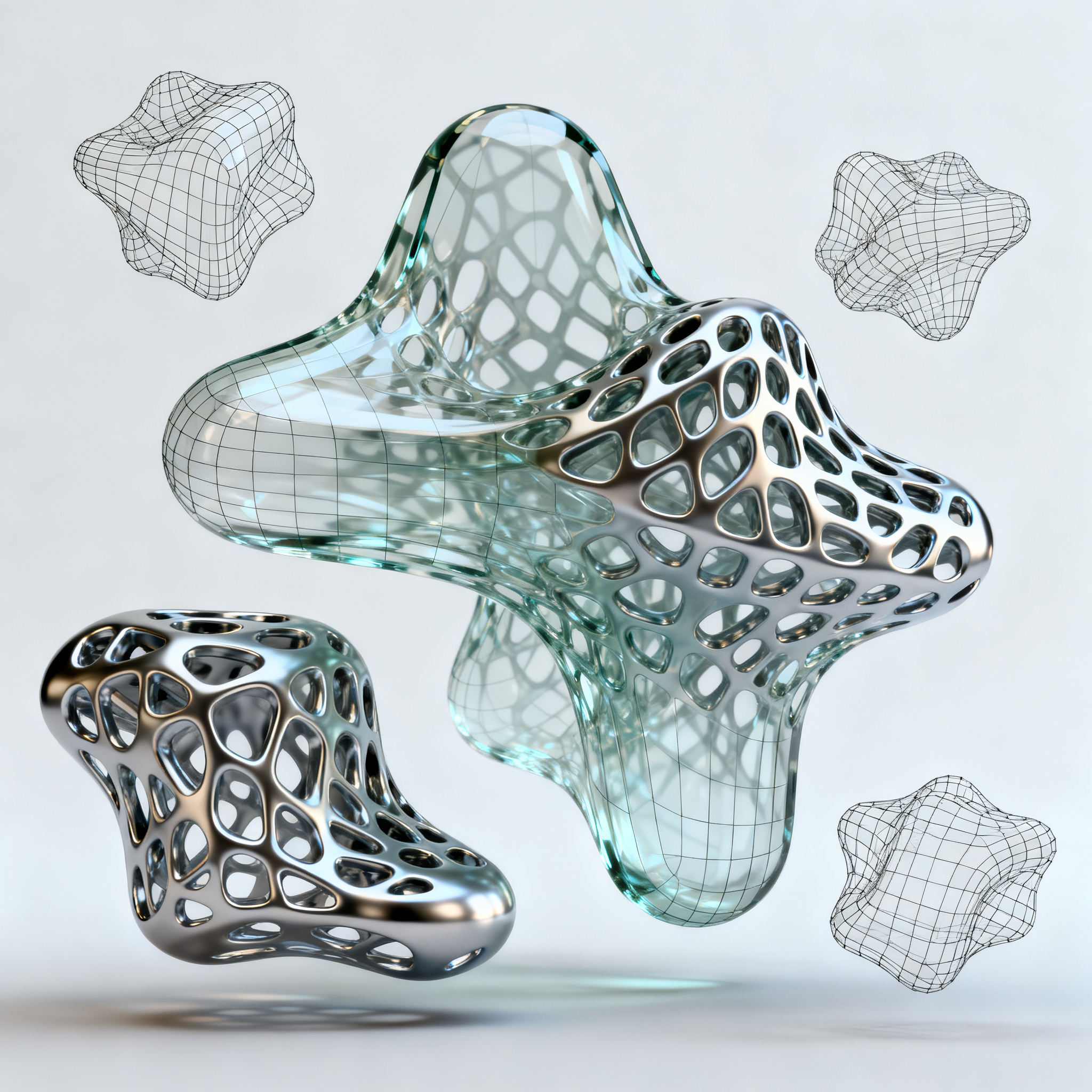
Smart Geometry: 3 Techniques That Cut Defects by 60%
Advanced design is not just art: it is a precise science that combines geometric principles with intelligent digital tools. Three operational techniques allow for drastically reducing errors, iterations, and waste in additive manufacturing.
Simulazione integrata: l’anticipo vincente
Simulation anticipates structural and thermal problems, reducing the number of physical iterations and allowing critical issues to be intercepted when they are still cheap to correct.
Simulation is not a tool to be used at the end of a project. It must be integrated as continuous feedback throughout the design process. This approach transforms quality control from a final check into an operational guide.
Modern software combines structural simulation, thermal analysis, and printability assessment directly on the CAD model. The goal is to evaluate structural logic, material compatibility, and manufacturability before committing resources to test builds.
- Reduction of Costly Physical Iterations
- Early Verification of Thermal Distortions and Supports
- Printability Assessment During Design Phase
- Alignment between design intent and process constraints
The Rapid Geometry Review service by Metamorphic AM represents this approach: a quick geometry review to catch problems when they are still cheap to fix. The advice comes before the criticalities become rooted in the project.
Critical details: where geometry makes the difference
Small details like thicknesses, holes, and threads can compromise printability if not designed properly. The practical guidelines developed over the last twenty years provide precise parameters.
Minimum wall thicknesses vary by process and material. A value too low causes collapses or surface defects. An excessive value increases weight, time, and costs without structural benefits.
Holes require special attention. Minimum diameters for pins and holes depend on the print orientation and process resolution. Threads printed directly work only above certain critical dimensions.
| Critical element | Key parameter | Impact on printability |
|---|---|---|
| Wall thickness | Minimum process-specific | Collapse or material waste |
| Hole diameter | Orientation and resolution | Post-processing requirements |
| Threads | Pitch and minimum diameter | Mechanical functionality |
| Overhanging surfaces | Maximum angle without supports | Superficial quality |
Clearances for moving assemblies must consider geometric tolerances and surface finish. Insufficient clearance blocks movement. Excessive clearance introduces unwanted play.
Management of overhanging surfaces determines the quantity and position of supports. Each support adds time, material, and rework. Intelligent design minimizes critical overhangs through orientation and geometry.
Topological optimization and lightweight structures
Strumenti come l’ottimizzazione topologica permettono di ridurre peso e materiale senza sacrificare la resistenza, sfruttando la libertà geometrica dell’additive manufacturing.
L’topological optimization redistributes material according to real loads. The software removes material from low-stress areas and concentrates it along the main load paths. The result is organic geometries impossible to achieve with traditional technologies.
Le strutture reticolari (lattice) offrono un rapporto resistenza-peso eccezionale. La scelta del tipo di cella, dimensione e densità locale determina prestazioni meccaniche e stampabilità. Software avanzati permettono di variare gradualmente questi parametri all’interno dello stesso componente.
AI-enabled tools are integrating generative design and machine learning to accelerate the development of functional parts. These systems suggest geometric improvements and automatically optimize build preparation, but they always require engineering judgment to validate the results.
Automatic build preparation analyzes shapes and geometric features to suggest optimal orientation, support placement, and slicing strategies. This reduces the time between design and production while maintaining controlled quality.
The hybrid approach works best: combining automatic optimization with established engineering guidelines. Software tools accelerate solution exploration, but final validation requires understanding of process constraints and functional requirements.
Conclusion
La geometria avanzata non è teoria accademica: è uno strumento operativo concreto. L’integrazione di simulazione, attenzione ai dettagli critici e ottimizzazione strutturale riduce errori, tempi e costi lungo tutta la filiera produttiva.
Success does not depend solely on automation and software functions. Design intent matters: converging function, material, and geometry in a way consistent with additive process constraints. DfAM methodologies serve precisely to guide these choices in the early stages, when changes cost little.
Explore the simulation software best suited to your production workflow. Test these techniques starting from your next project, beginning with a quick geometric review before committing resources to test builds.
article written with the help of artificial intelligence systems
Q&A
What is integrated simulation and why is it fundamental in additive design?
Integrated simulation anticipates structural and thermal issues directly on the CAD model throughout the design process, not just at the end of the project. It enables catching criticalities when they are still economical to correct, reducing costly physical iterations. It transforms quality control from simple final verification into continuous operational guidance.
Which geometric details can compromise printability and which parameters must be checked?
Wall thicknesses, hole diameters, threads, overhanging surfaces, and assembly clearances are critical elements. Thicknesses must respect specific minimums for the process and material to avoid collapse or waste, while holes and threads require minimum dimensions linked to print orientation. Overhanging surfaces, in turn, influence the need for supports and final surface quality.
How does topology optimization improve the performance of components produced via additive manufacturing?
Topology optimization redistributes material along the main load paths, removing it from low-stress areas. This allows reducing weight and material without sacrificing strength, leveraging the geometric freedom of additive manufacturing to create organic shapes otherwise impossible with traditional technologies.
How does the hybrid approach between generative design/AI and engineering judgment work?
AI-enabled tools accelerate development by suggesting optimal orientations, support placement, and slicing strategies, but always require human validation. The hybrid approach combines automatic optimization with established engineering guidelines to maintain controlled quality and respect process constraints.
What is the role of DfAM methodologies according to the article?
DfAM methodologies guide design choices in the early stages, when changes cost little, converging function, material, and geometry with the constraints of the additive process. The goal is to reduce errors, times, and costs throughout the entire production chain through a precise design intent.
What does Metamorphic AM's Rapid Geometry Review service offer?
It is a rapid geometry review that catches printability problems when they are still economical to fix, before criticalities become embedded in the project. It represents a proactive approach that anticipates quality control ahead of costly physical test builds.