Settore Industriale: Automotive

Industrial Adoption of Metal FFF: How Metal Additive Production Really Works

Industrial Adoption of Metal FFF: How Metal Additive Production Really Works

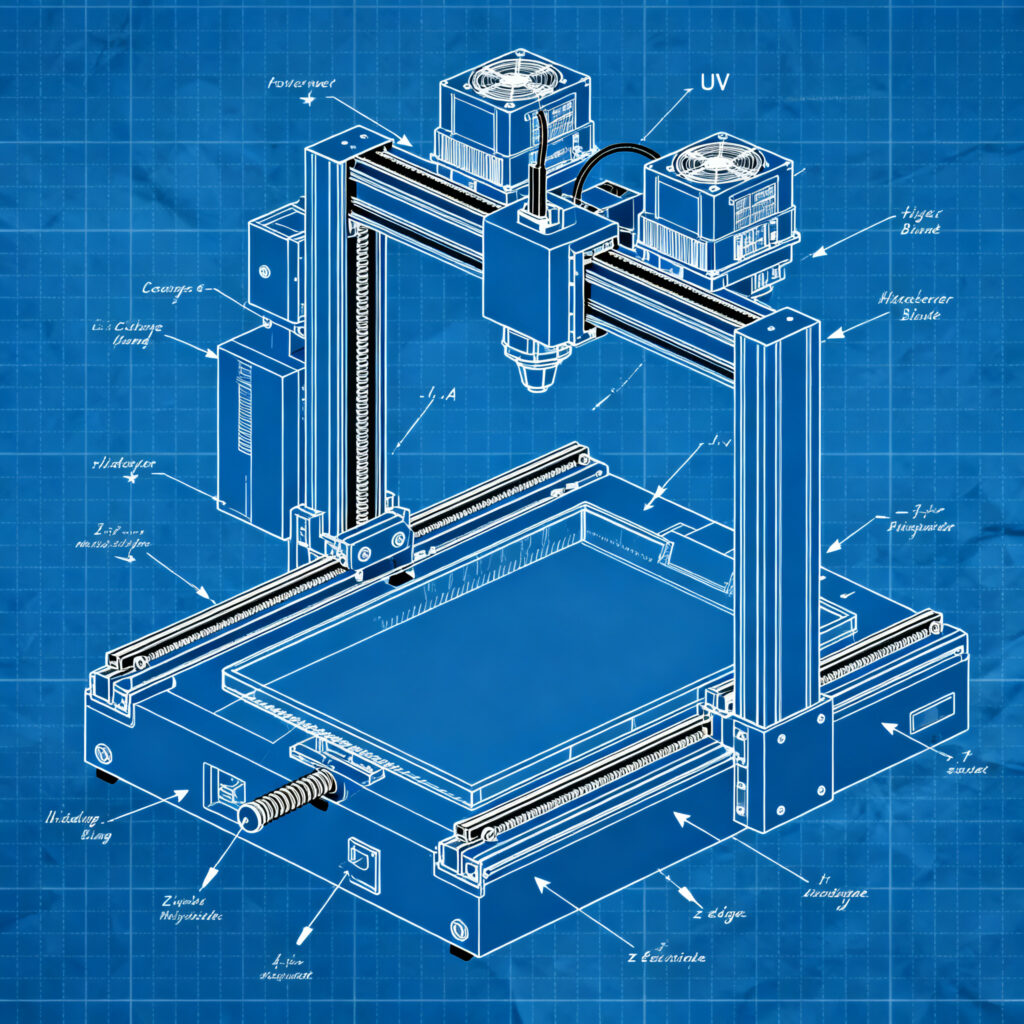
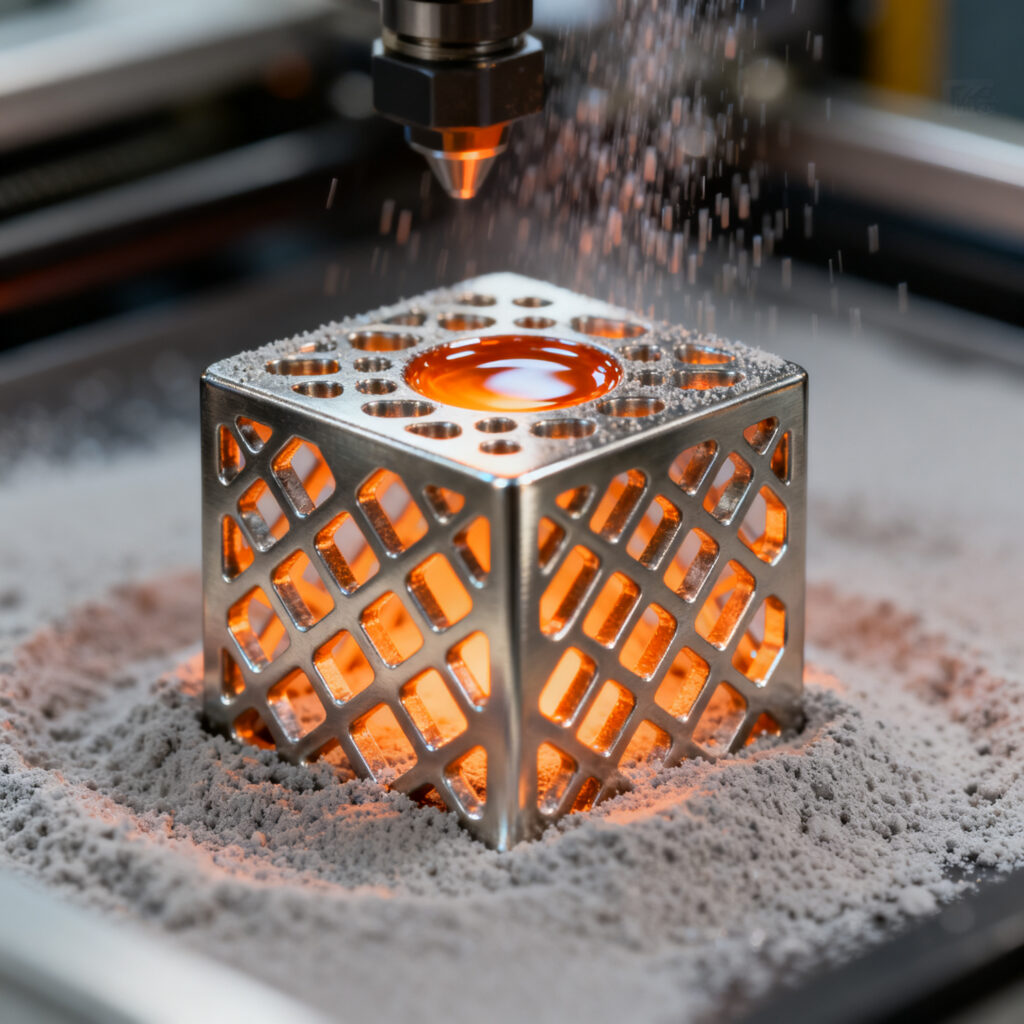
Metal FFF prints functional metal components with powder+polymer filaments, followed by washing and sintering: economical, fast, suitable for low volumes and complex geometries in aerospace and automotive.


Implementing Mass Customization in the Industry: Strategies and Practical Cases

Implementing Mass Customization in the Industry: Strategies and Practical Cases

Industrial mass customization leverages 3D printing and AI to produce customized components at competitive costs, transferring flexibility from consumer to B2B and reducing times and waste.

How Artificial Intelligence is Revolutionizing 3D Printing Workflows

How Artificial Intelligence is Revolutionizing 3D Printing Workflows

AI revolutionizes 3D printing: real-time monitoring, automatic CAD-scan alignment, and predictive analysis reduce waste, time, and costs, making additive production scalable and competitive.

How Large-Scale SLA 3D Printing is Transforming Industrial Costs

How Large-Scale SLA 3D Printing is Transforming Industrial Costs

Industrial SLA 3D printing reduces costs and setup times by up to 75%, transforming tooling and prototyping in automotive and aerospace with micrometric precision and savings up to 200,000 $ per project.

Metal FFF Optimization: From Printing to Sintering for Precision Metal Components

Metal FFF Optimization: From Printing to Sintering for Precision Metal Components

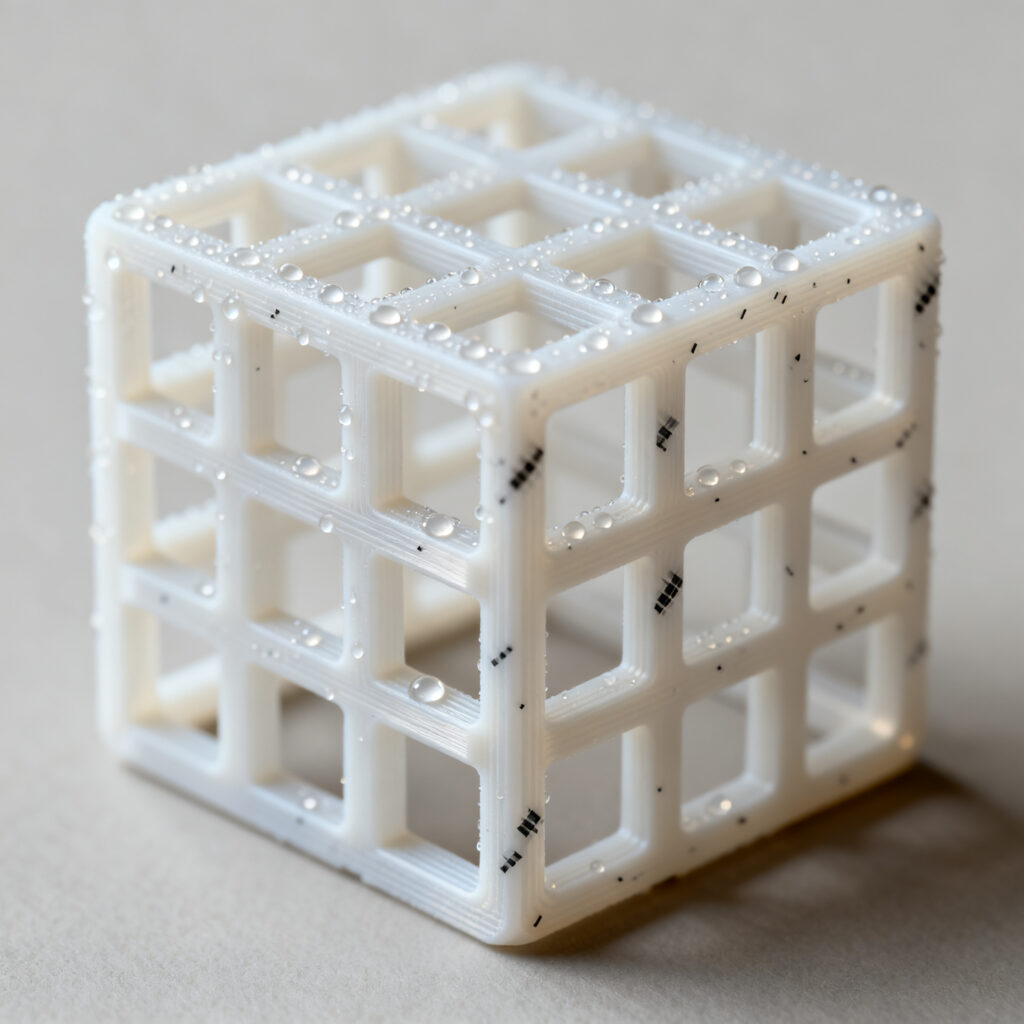
Metal FFF: safe 3D printing with metal filaments, washing and sintering for dense and complex components without loose powders.

New Industrial Automation Technologies Presented at TechManufacturing 2026 Fair

New Industrial Automation Technologies Presented at TechManufacturing 2026 Fair

Formnext 2026 and major fairs show mature additive manufacturing: large parts, AI, IoT, and concrete cases in aerospace, healthcare, and defense for productivity and certain ROI.

The Expansion of 3D Printing in Industrial Applications: Technologies, Materials, and Advanced Use Cases

The Expansion of 3D Printing in Industrial Applications: Technologies, Materials, and Advanced Use Cases

Industrial 3D printing grows beyond 20% annually, moving from 40 to 250 billion dollars by 2035. Automation, aerospace, and defense adopt it for critical parts, cutting costs and times. Challenges: scalability, regulations, skills.

Industrial Additive Manufacturing and Automotive: Advanced Technologies for Industry 4.0

Industrial Additive Manufacturing and Automotive: Advanced Technologies for Industry 4.0

Additive manufacturing is revolutionizing automotive and heavy industry: new materials, cloud-native CAD, AI, and digital traceability enable flexible batches and resilient supply chains.

Optimization of Accessories and Post-Processing Techniques in 3D Printing

Optimization of Accessories and Post-Processing Techniques in 3D Printing

Accessories and post-processing techniques transform 3D printing into professional production: automated washing, chemical smoothing, polymerization, and coloring guarantee industrial-quality finishes on every material.

Optimization of Production Workflows in Industrial Automation: Advanced Strategies for 2026

Optimization of Production Workflows in Industrial Automation: Advanced Strategies for 2026

In 2026, industrial automation focuses on cyber-physical systems, predictive AI, digital twins, and cobots for flexible, safe, and data-driven production flows, overcoming the limitations of traditional lines.

New Frontiers of Industrial 3D Printing: Composite Materials and Multi-Material Additive Production

New Frontiers of Industrial 3D Printing: Composite Materials and Multi-Material Additive Production

Multi-material 3D printing: a single part with rigid, flexible, conductive zones. Innovations from Bambu to Stratasys, automotive-aerospace applications, open-source software, and US investments toward mass production.

Flexible and Sustainable Materials: Innovations in Biodegradable Polymers for Industrial Applications

Flexible and Sustainable Materials: Innovations in Biodegradable Polymers for Industrial Applications

Bio-based and recycled polymers are revolutionizing the industry: LFAM and SLS enable high-performance sustainable components, but standards and precise control of material transitions are needed to scale.

/