Case Study: SME

How Uptool is digitizing workshops with the help of AI

How Uptool is digitizing workshops with the help of AI

Uptool, a startup founded in 2024, uses AI to automate administrative processes for small manufacturing workshops, reducing the time for quotes by up to 60%. With $6 million in funding, the platform promises to increase the efficiency and competitiveness of companies, allowing them to focus on growth and customer relationships.
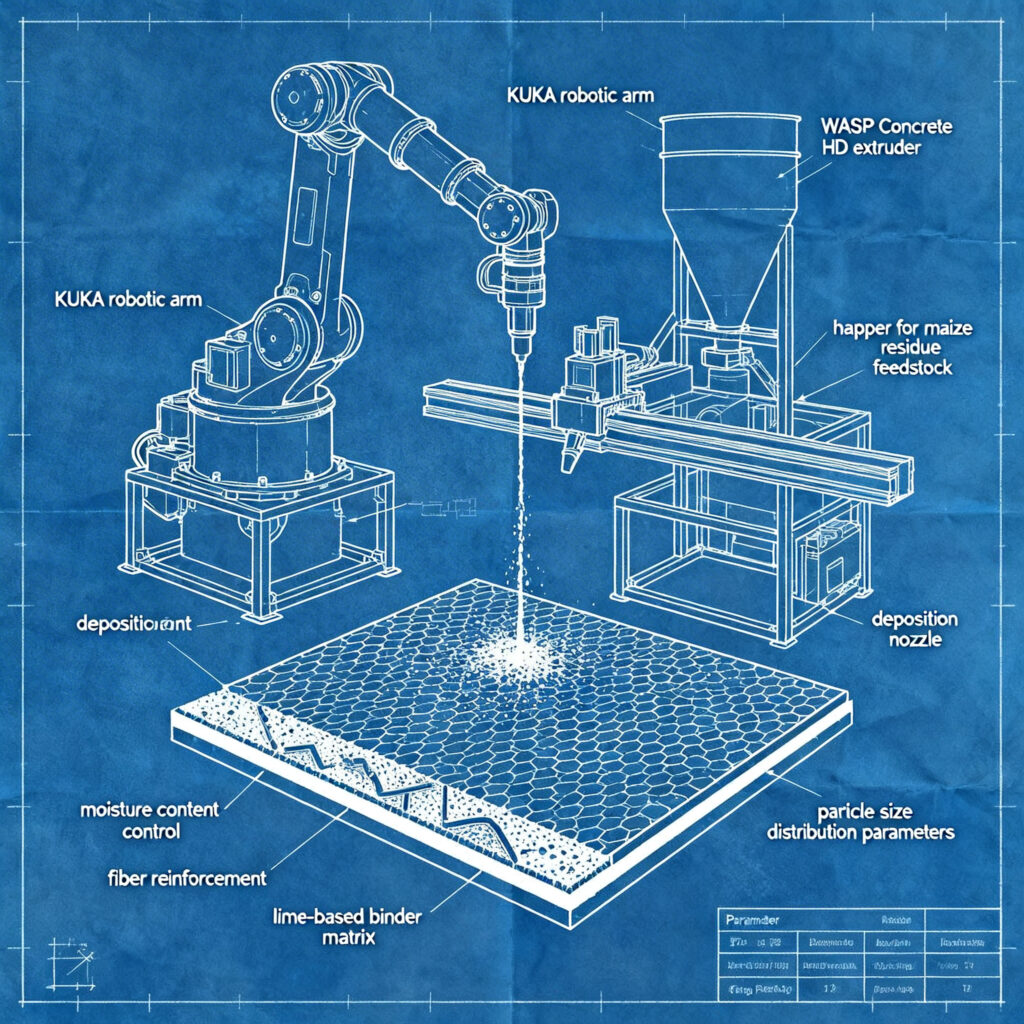
From Agricultural Waste to Construction Materials: How the Industrial Process Works

From Agricultural Waste to Construction Materials: How the Industrial Process Works

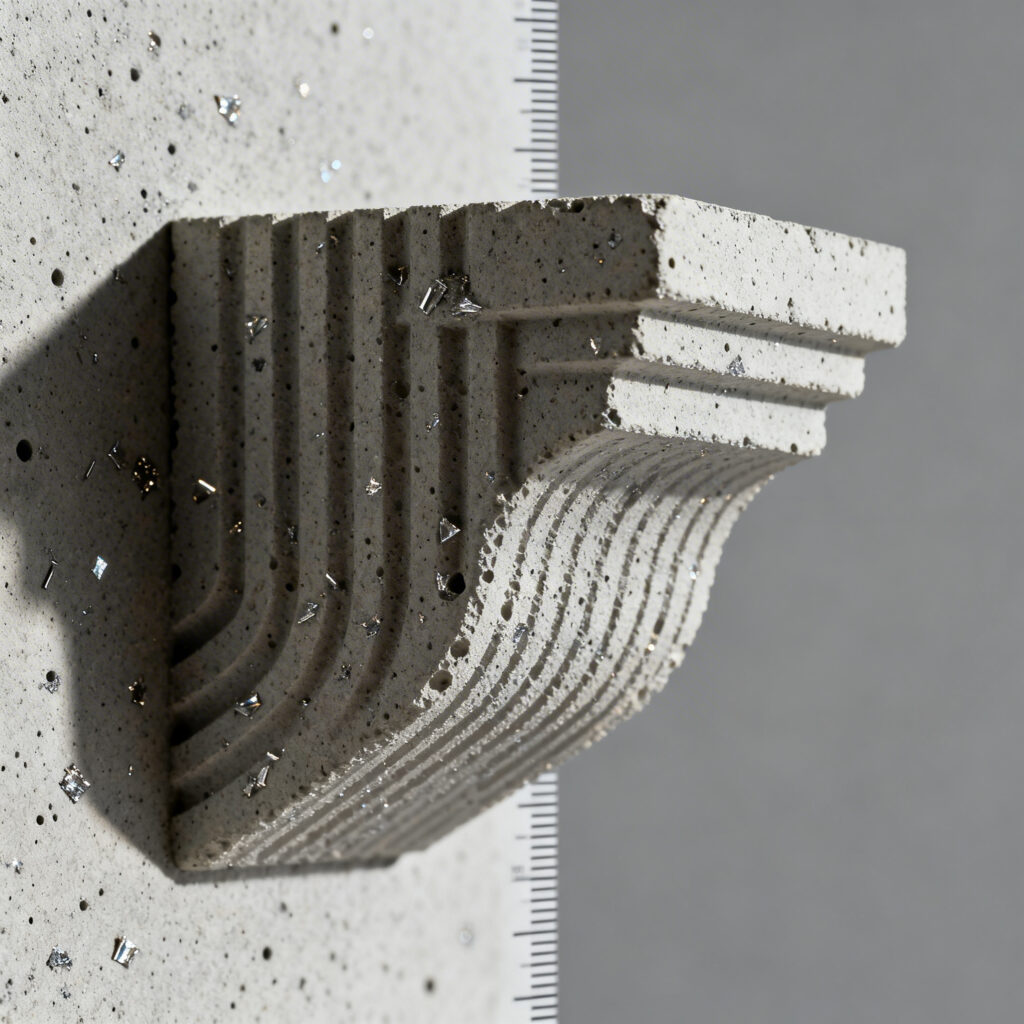
From agricultural waste to construction materials: an innovative industrial process transforms waste such as straw and peels into eco-friendly panels and bricks. Technologies such as robotic extrusion and 3D printing enable the creation of high-performance biocomposites, reducing the environmental impact of construction. Projects such as CORNCRETL in Mexico and European initiatives demonstrate industrial feasibility

How Additive Manufacturing is Redefining the Regional Infrastructure for Resilient Public Services

How Additive Manufacturing is Redefining the Regional Infrastructure for Resilient Public Services

Australia is using additive manufacturing to build more resilient public infrastructure, reducing dependence on foreign suppliers and strengthening local production thanks to collaborations between research, industry, and government.

Large-Scale Customization and Retail Integration: How the New Production Model Really Works

Large-Scale Customization and Retail Integration: How the New Production Model Really Works

The convergence between additive manufacturing and retail is redefining custom production, extending it from consumer goods to industrial sectors. Thanks to 3D printing, it is possible to produce multiple variants without additional costs, while artificial intelligence manages design complexity. Retail points are transforming into production and data collection nodes, enabling personalization

Post-Processing and Debinding: How Key Additive Manufacturing Technologies Work

Post-Processing and Debinding: How Key Additive Manufacturing Technologies Work

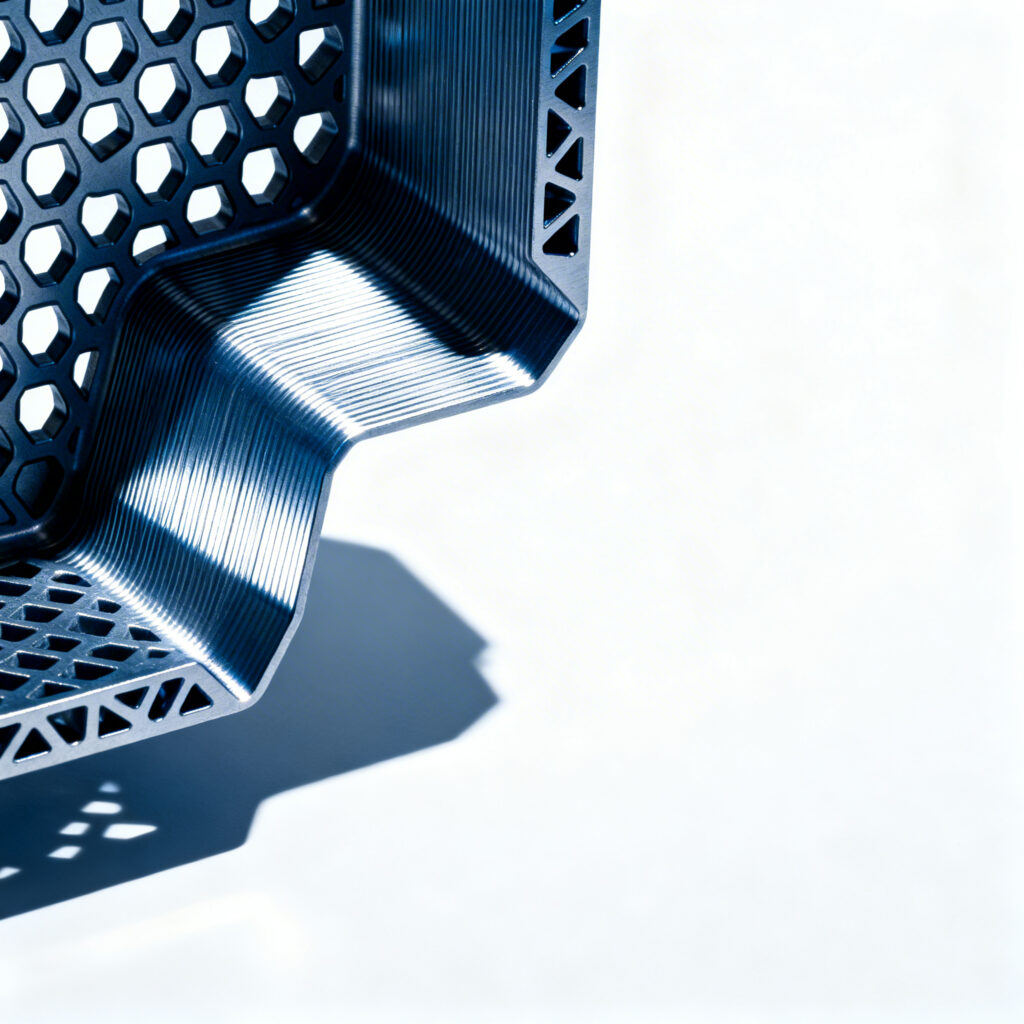
Post-processing and debinding are crucial stages in additive manufacturing that determine the quality, strength, and finish of components. Technologies such as vapor smoothing and chemical debinding improve surface and structural properties, making parts ready for industrial use.

Building the Future: How 3D Printing Works in Architecture

Building the Future: How 3D Printing Works in Architecture

3D printing is revolutionizing architecture: models and concrete houses in days, zero waste, recycled materials and circular design for a sustainable future.

3D Scanning: How the Technology that Transforms Reality into Digital Actually Works

3D Scanning: How the Technology that Transforms Reality into Digital Actually Works

3D scanning transforms real objects into editable and printable digital models, accelerating reverse engineering and production with precision up to 50 µm.

How Software is Redefining Value in Additive Hardware

How Software is Redefining Value in Additive Hardware

How Software is Redefining Value in Additive Hardware In the 3D printing industry, it's no longer the hardware that makes the difference, but the software that makes it intelligent. While the technical specifications of macch…

Zortrax M300 Plus vs Formbot Troodon 2.0: Who really offers the best for the advanced desktop user?

Zortrax M300 Plus vs Formbot Troodon 2.0: Which really offers the best for the advanced desktop user?

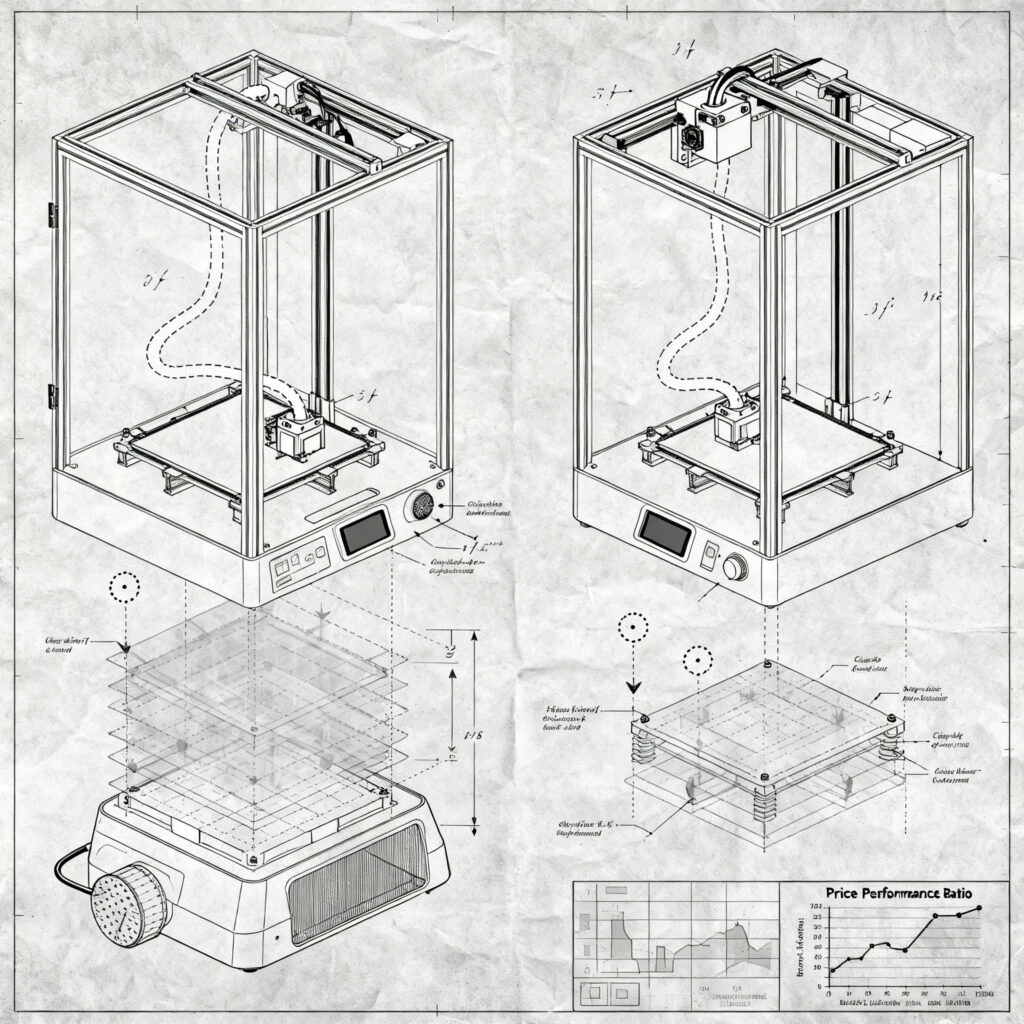
Zortrax M300 Plus (3.990 $) is plug-and-play for those who want immediate reliability; Formbot Troodon 2.0 (1.049 $) offers record volume and temperatures but requires DIY calibration and maintenance. Choose based on your time, not just the price.

Accessible 3D Printers in 2025: Which Models Will Actually Deliver?

Accessible 3D Printers in 2025: Which Models Will Actually Deliver?

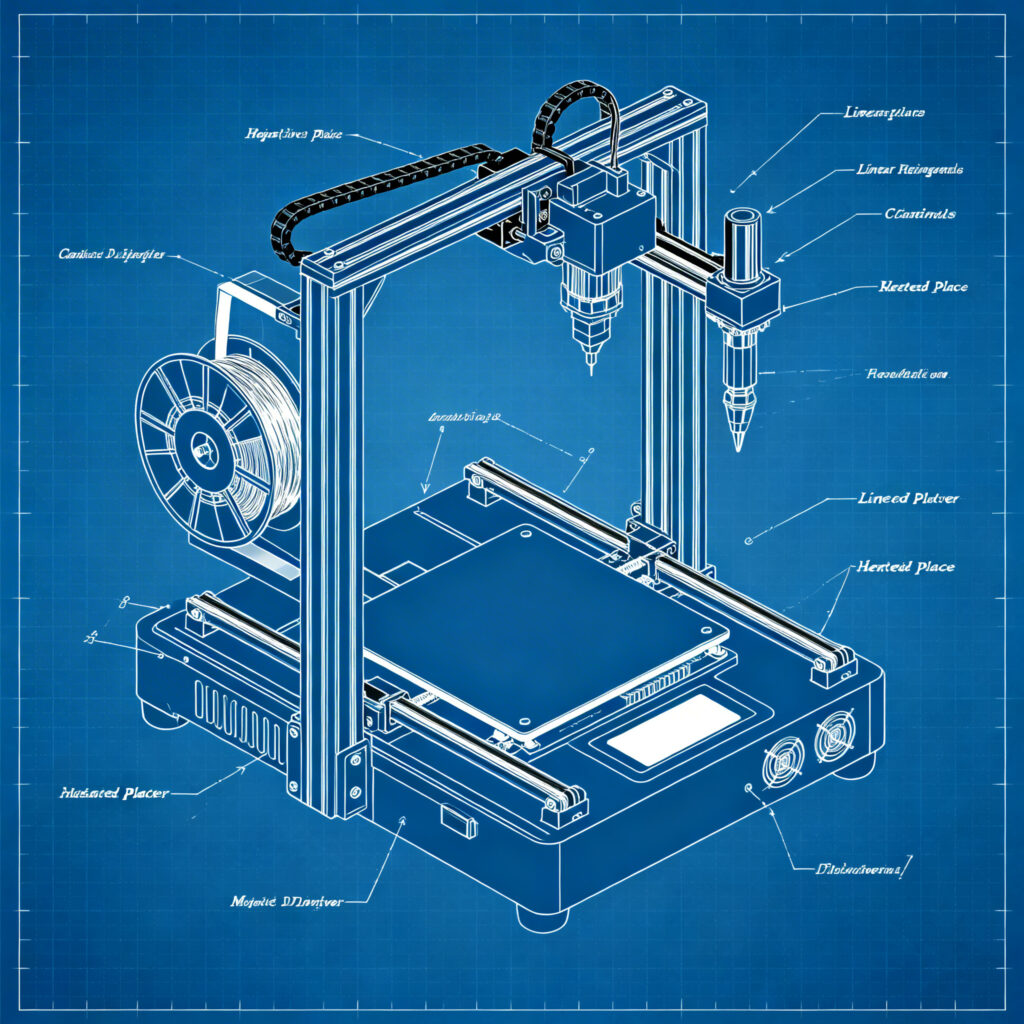
In 2026, few home 3D printers truly offer innovation: Bambu Lab focuses on modularity and speed, Prusa on an open ecosystem, but speed, materials, and real costs need to be verified beyond the hype.

The 3D Printing Revolution in the Fashion and Consumer Goods Sector

The 3D Printing Revolution in the Fashion and Consumer Goods Sector

3D printing revolutionizes fashion: rapid prototyping, custom-fit garments, and sustainable on-demand production. Challenges regarding materials and comfort remain, but the future is personalized, distributed, and zero-impact.

The Expansion of 3D Printing in Industrial Applications: Technologies, Materials, and Advanced Use Cases

The Expansion of 3D Printing in Industrial Applications: Technologies, Materials, and Advanced Use Cases

Industrial 3D printing grows beyond 20% annually, moving from 40 to 250 billion dollars by 2035. Automation, aerospace, and defense adopt it for critical parts, cutting costs and times. Challenges: scalability, regulations, skills.

/