Applicazione: Production

In-Process Inspection for Metal 3D Printing: How Calibrated Measurement-Based Quality Control Works

In-Process Inspection for Metal 3D Printing: How Calibrated Measurement-Based Quality Control Works

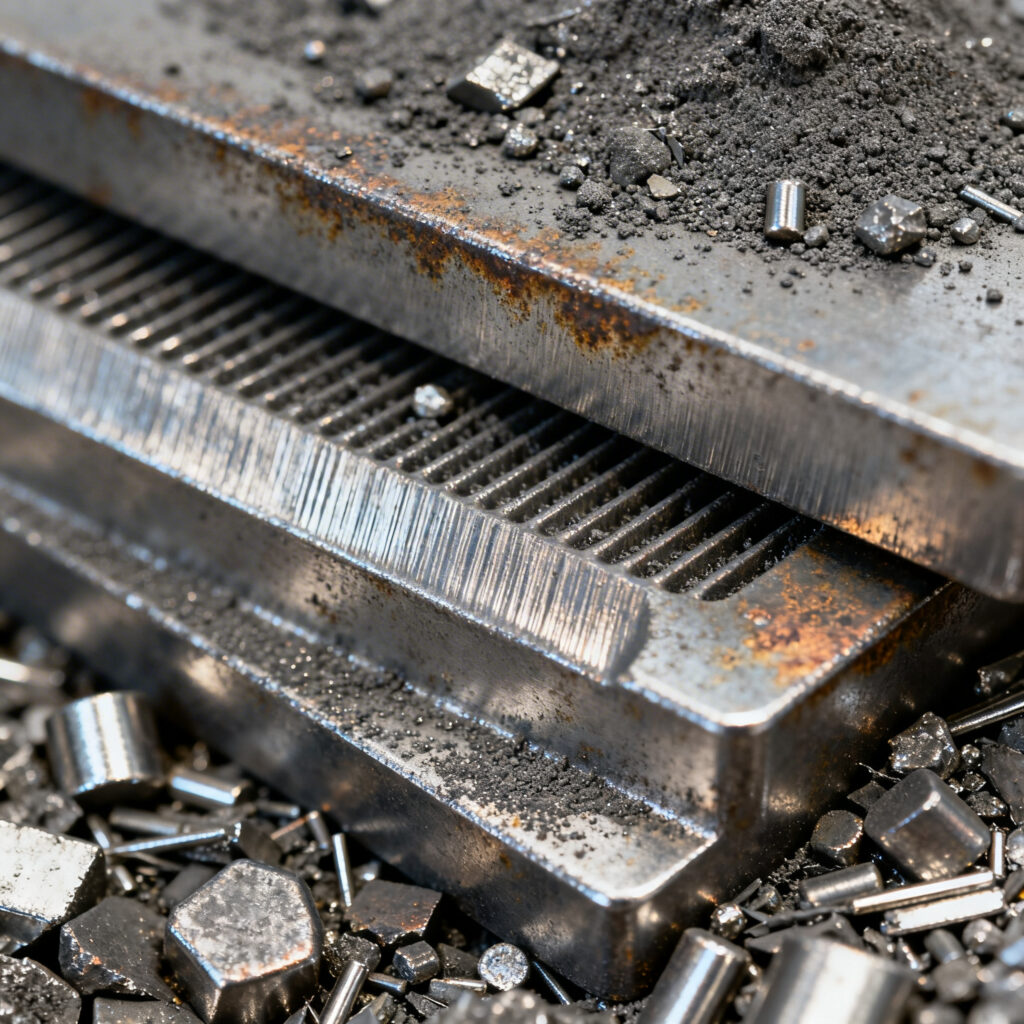
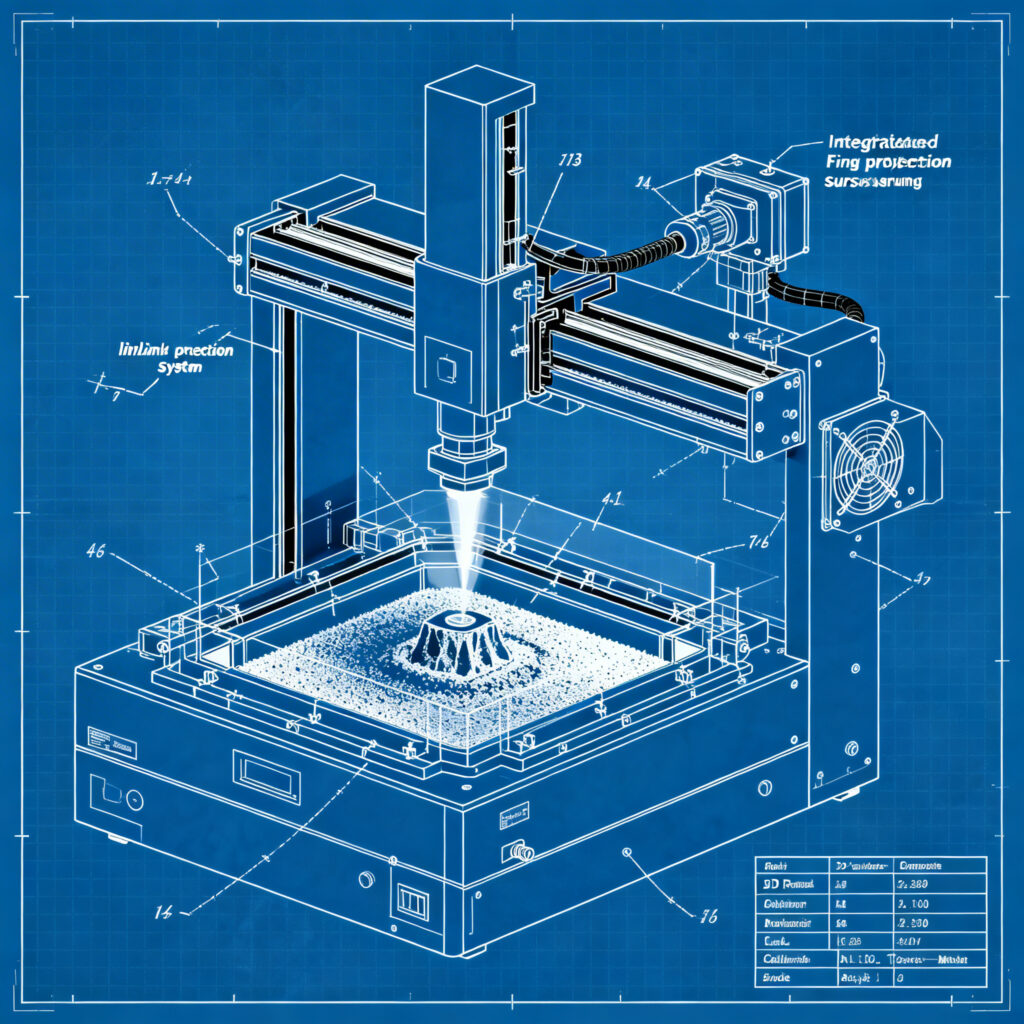
In-process inspection based on calibrated measurements is revolutionizing quality control in metal 3D printing, replacing expensive post-production checks with precise, proactive monitoring during the process. Technologies like structured light fringe projection allow for real-time measurement of critical parameters such as layer thickness and surface roughness, mi
How to Protect Your Digital Creations with MakerWorld's New Copyright System

How to Protect Your Digital Creations with MakerWorld's New Copyright System

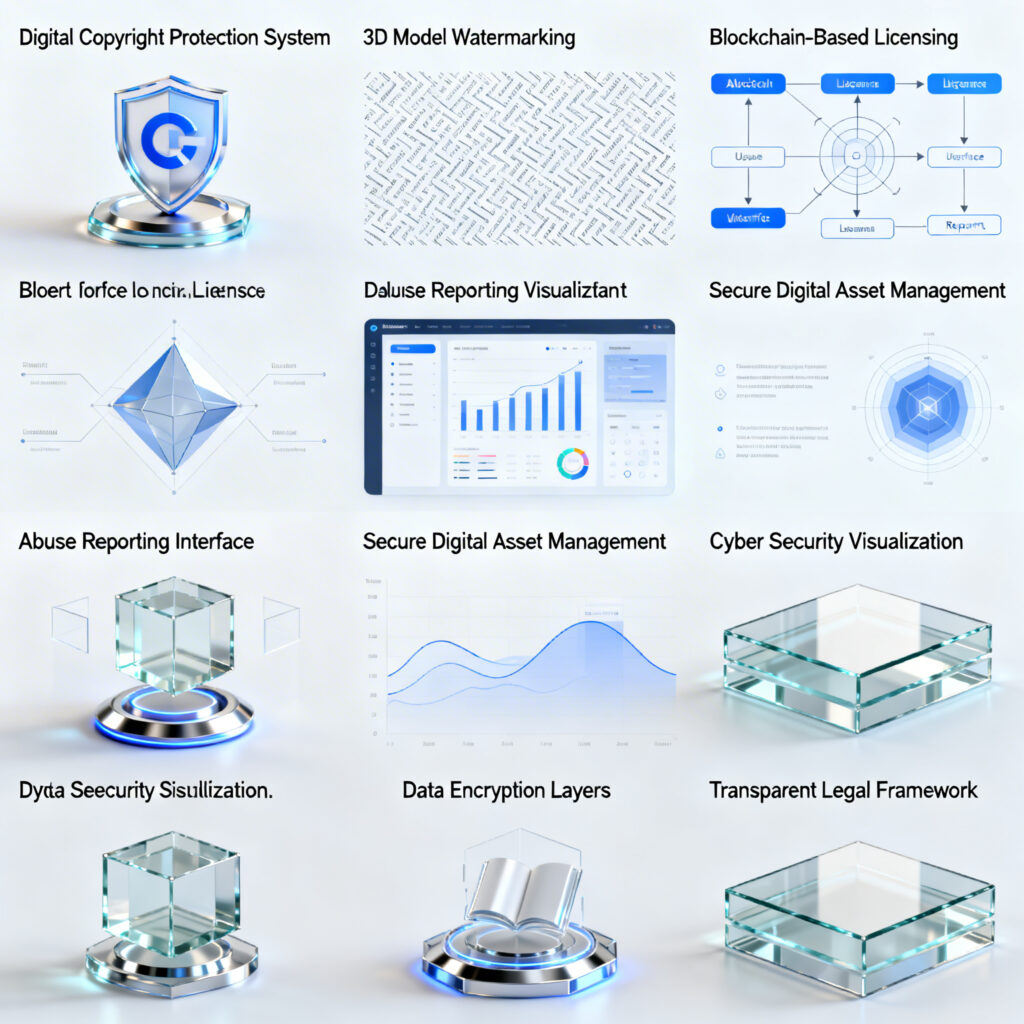
MakerWorld has enhanced its copyright protection system, allowing creators to report abuse and protect their digital creations. The new centralized tool facilitates evidence collection and legal support, in exchange for content exclusivity on the platform.

Ultrafast and High Precision in Industrial Additive Processes: How It Really Works

Ultrafast and High Precision in Industrial Additive Processes: How It Really Works

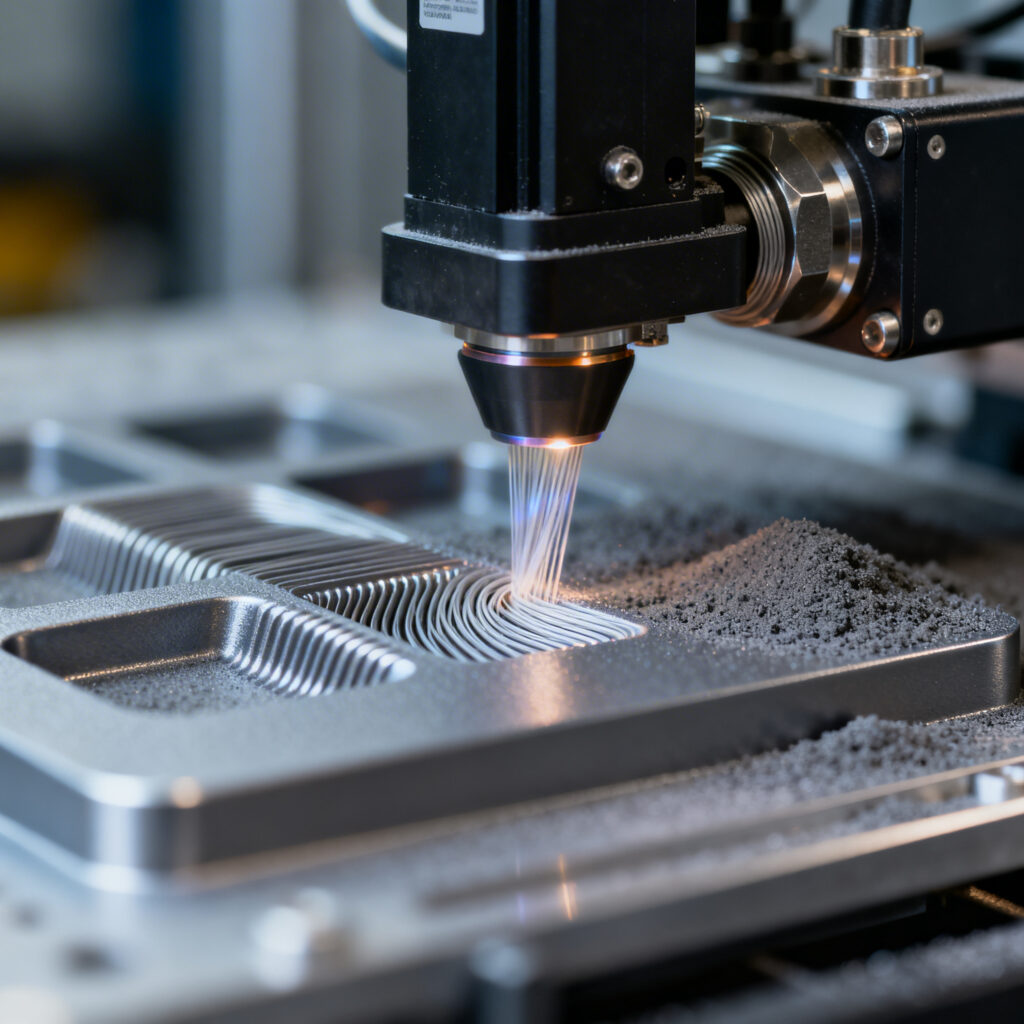
Industrial additive manufacturing today combines speed and precision thanks to advanced technologies such as multi-laser, AI and automated post-processing. Systems like SSLM and TVAM drastically reduce production times while maintaining high quality. High-performance materials – technical polymers, metal alloys and composites – expand applications. Automation in vapor smoothing and depowdering m

How Uptool is digitizing workshops with the help of AI

How Uptool is digitizing workshops with the help of AI

Uptool, a startup founded in 2024, uses AI to automate administrative processes for small manufacturing workshops, reducing the time for quotes by up to 60%. With $6 million in funding, the platform promises to increase the efficiency and competitiveness of companies, allowing them to focus on growth and customer relationships.

From Agricultural Waste to Construction Materials: How the Industrial Process Works

From Agricultural Waste to Construction Materials: How the Industrial Process Works

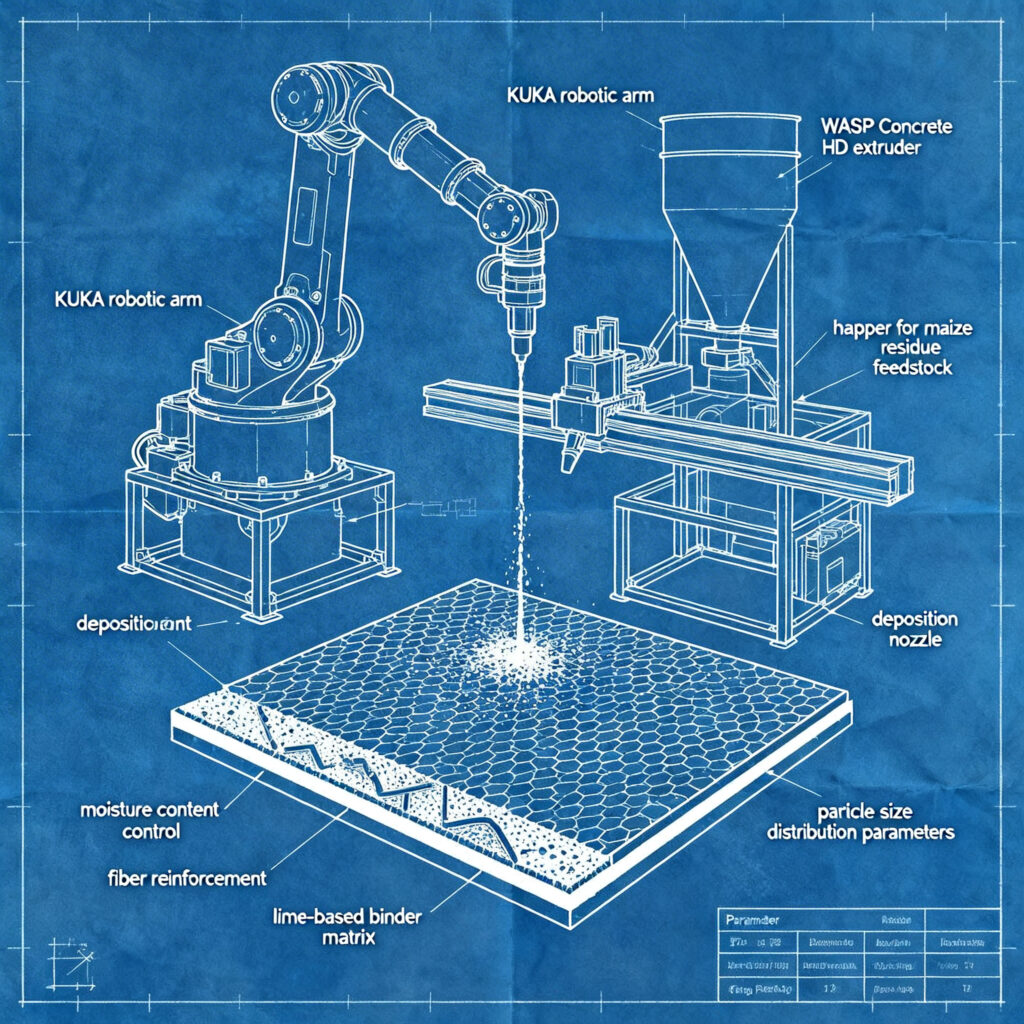
From agricultural waste to construction materials: an innovative industrial process transforms waste such as straw and peels into eco-friendly panels and bricks. Technologies such as robotic extrusion and 3D printing enable the creation of high-performance biocomposites, reducing the environmental impact of construction. Projects such as CORNCRETL in Mexico and European initiatives demonstrate industrial feasibility

Industrial Performance Benchmarking: When 3D Printing Surpasses Traditional Manufacturing

Industrial Performance Benchmarking: When 3D Printing Surpasses Traditional Manufacturing

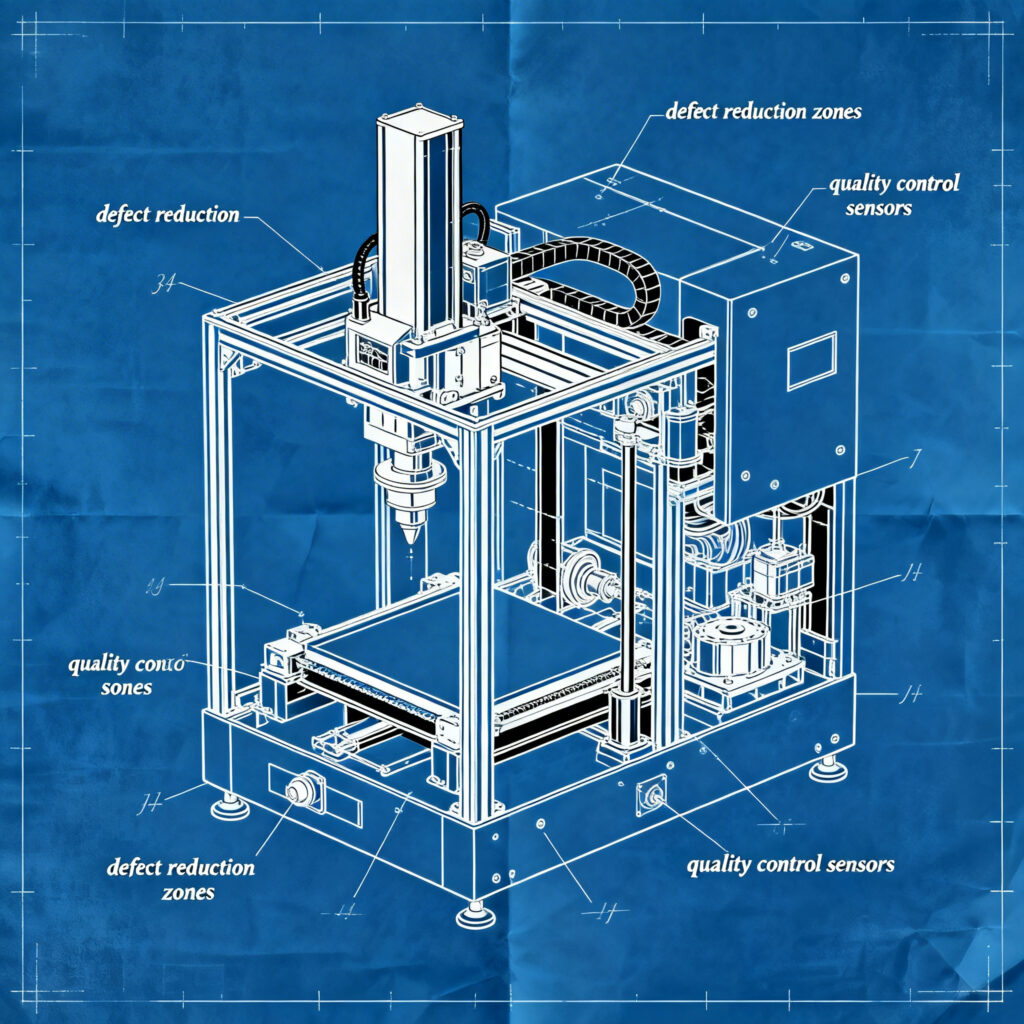
3D printing surpasses traditional manufacturing in terms of production times, quality, and internal defects. An EPRI project shows how convergent manufacturing reduces times from 30 months to 3 months, maintaining or improving mechanical properties. Additive manufacturing offers significant advantages for highly regulated sectors, thanks to fewer defects, more precise controls, and reduced

How Additive Manufacturing is Redefining the Regional Infrastructure for Resilient Public Services

How Additive Manufacturing is Redefining the Regional Infrastructure for Resilient Public Services

Australia is using additive manufacturing to build more resilient public infrastructure, reducing dependence on foreign suppliers and strengthening local production thanks to collaborations between research, industry, and government.

Post-Prototype Operational Models in the Advanced Metal Industry

Post-Prototype Operational Models in the Advanced Metal Industry

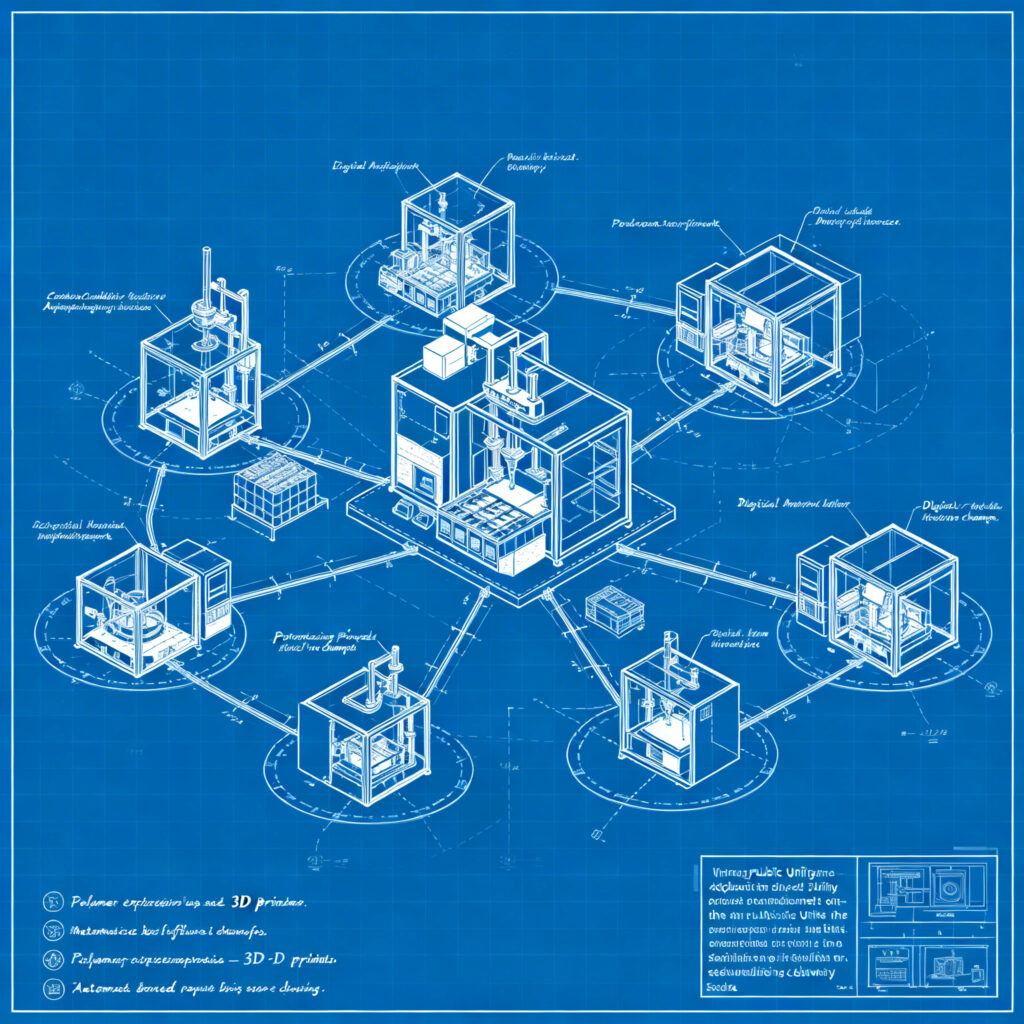
The advanced metal industry is evolving towards integrated production systems, where every stage of production collaborates in real time. Overcoming the traditional model of isolated departments, a connected architecture emerges that unifies additive, machining, heat treatment, and inspection. This approach reduces inefficiencies, improves stability and productivity, and enables a rapid response p

Sustainability in Industrial 3D Printing: Understanding Environmental and Technological Trade-offs

Sustainability in Industrial 3D Printing: Understanding Environmental and Technological Trade-offs

Industrial 3D printing can reduce environmental impact, but it requires strategic choices on materials, energy efficiency and life cycle management. Although it offers advantages such as less waste and simplification of the supply chain, the real benefit depends on sustainable feedstocks, efficient processes and recovery policies. Studies show that the use of recycled material and energy sources

Implementing Innovations in Mechanical Testing and Quality Assurance: An Operational Plan for Advanced Industry

Implementing Innovations in Mechanical Testing and Quality Assurance: An Operational Plan for the Advanced Industry

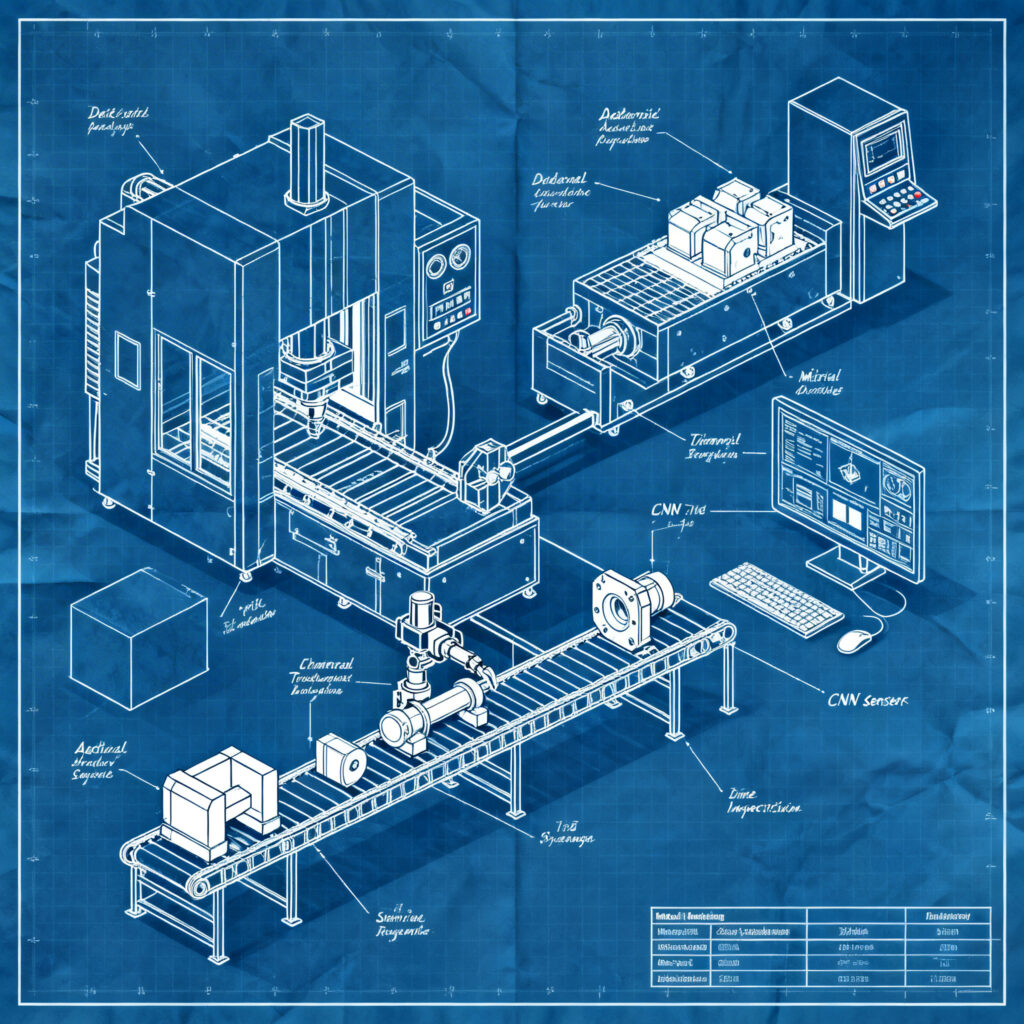
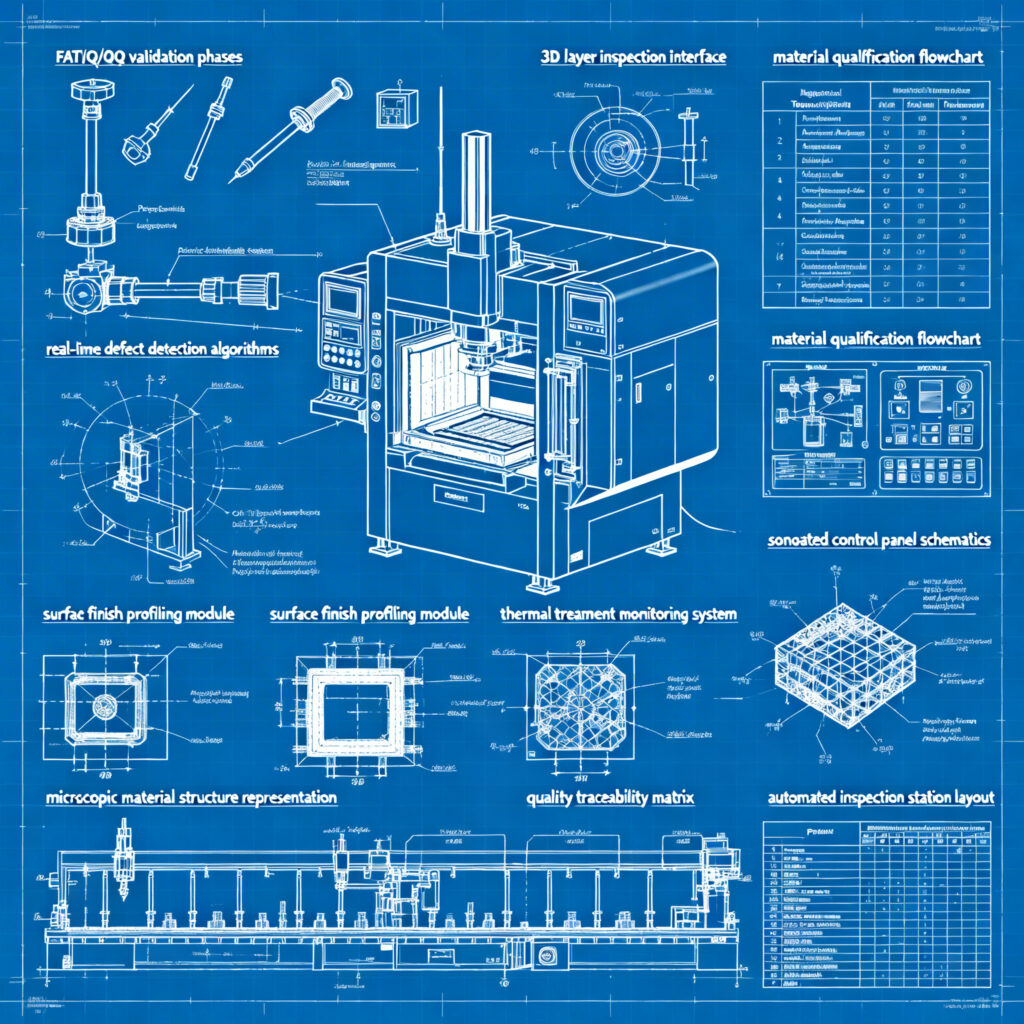
The article presents an operational plan to integrate innovations in mechanical testing and quality assurance in the advanced industry, particularly in metal additive production. The importance of qualifying feedstock, machinery, and production processes from the initial stages is emphasized to ensure reliability, traceability, and compliance in critical sectors such as aerospace and defense. Ve

Advanced Photopolymerization: When Speed Meets Precision

Advanced Photopolymerization: When Speed Meets Precision

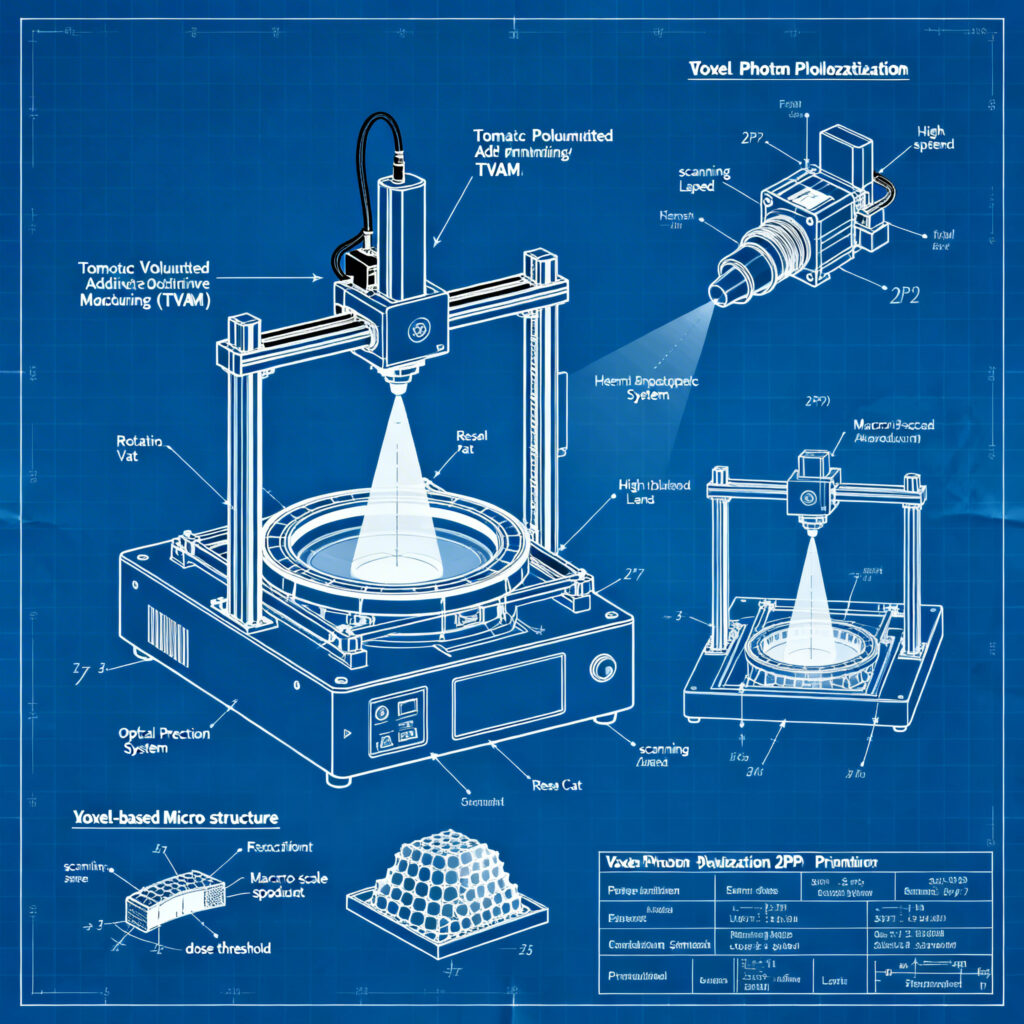
Advanced photopolymerization in 3D printing includes technologies such as TVAM, which is fast but less precise, and 2PP, which is extremely detailed but slow. Both offer complementary advantages: TVAM for rapid volumes, 2PP for micro-details. Hybrid solutions integrate the two technologies to maximize productivity and precision, opening up new possibilities in fields such as bio-engineering and micro-optics.

Prusa PETG Ultraglow vs. Alternatives: Is it the True Leap Forward for Nighttime 3D Printing?

Prusa PETG Ultraglow vs. Alternatives: Is it the True Leap Forward for Nighttime 3D Printing?

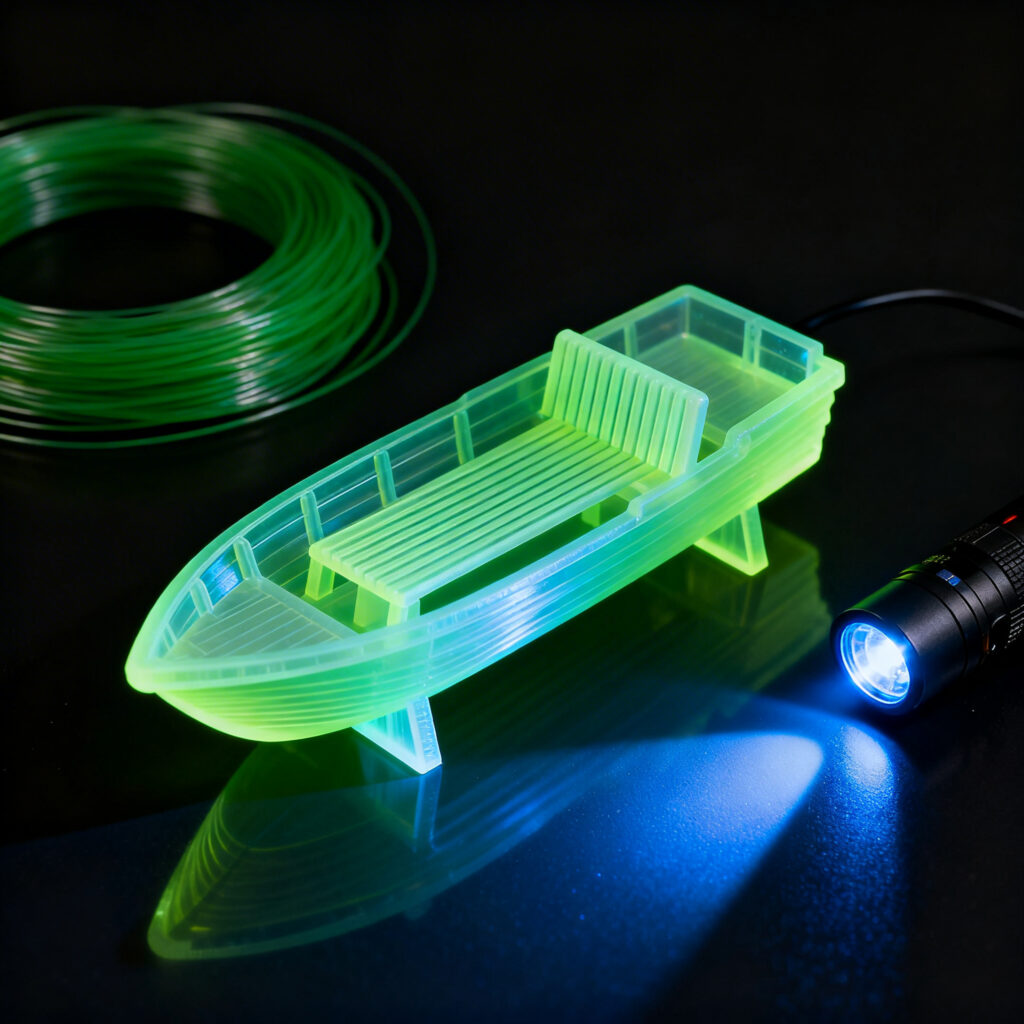
Prusa launches PETG Ultraglow, a high-quality phosphorescent filament. Superior to glow-in-the-dark PLA for brightness and durability. Ideal for technical and safety applications thanks to the resistance of PETG and its ability to shine for a long time. Requires hardened nozzles for printing. High cost but justified for professional use.

/