Sustainability and recycling in additive manufacturing: advanced strategies for a circular future
Introduction to sustainable materials in 3D printing
Additive manufacturing is undergoing a profound transformation towards more sustainable practices, with particular attention to recycled and biodegradable materials. Arkema's Virtucycle® program is a concrete example of circular economy applied to high-performance polymers: the company acts as an intermediary between those intending to recycle their polymers and those wishing to purchase partially recycled materials, focusing on polyamide 11 and 12 resins, PEBA elastomers, and PVDF fluoropolymers. It collects injected or extruded waste, powders, parts, and granules, guaranteeing a certified minimum recycled material content and properties similar to those of virgin materials.
Sustainability in AM concerns not only the materials used, but also the production of the printers. Nexa3D designed the XiP and XiP Pro models using recyclable materials such as aluminum to reduce consumables; over 80% of the energy is destined directly to the production of components, ensuring high energy efficiency.
Polymer recycling techniques in additive processes
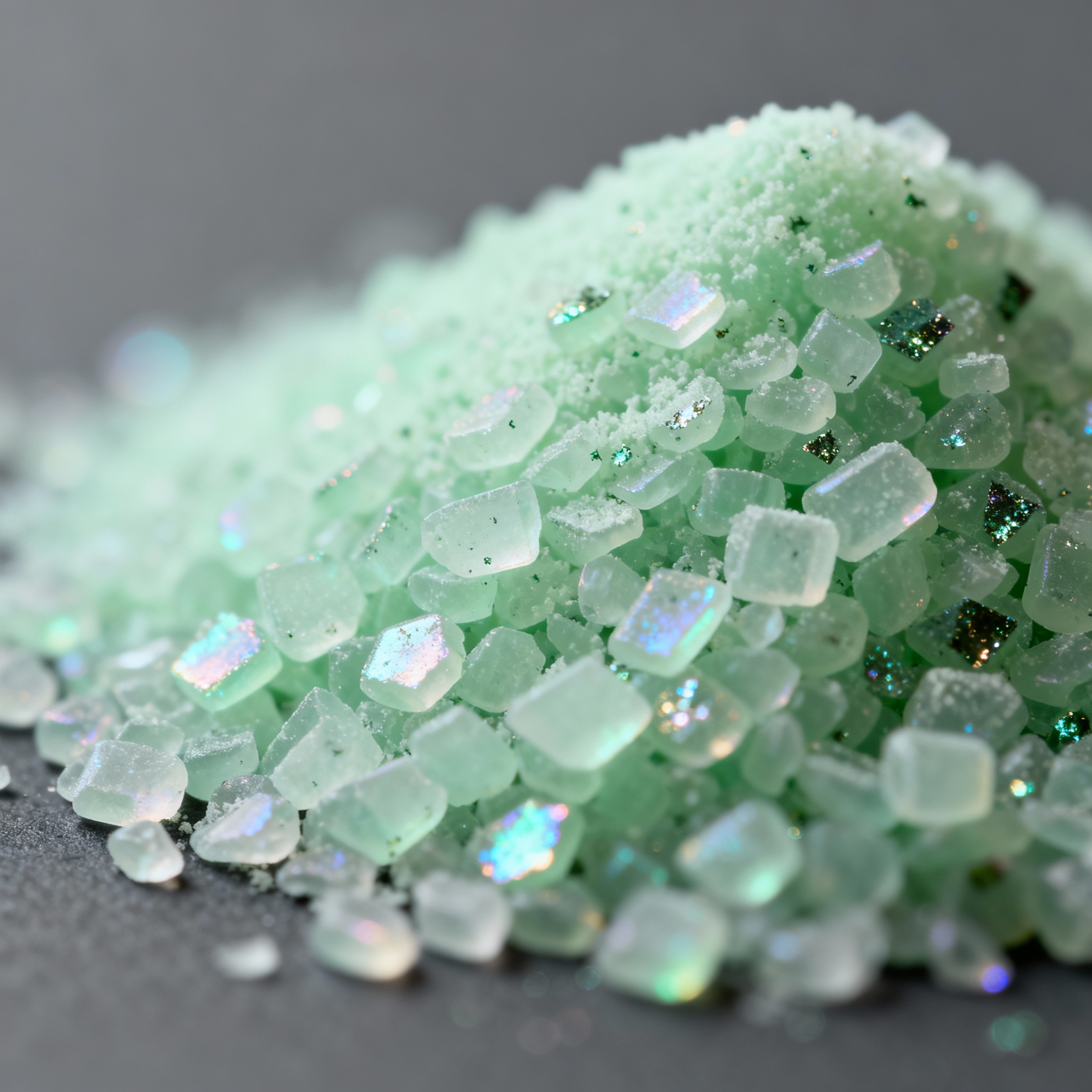
Recycling thermoplastic powders is a major economic and environmental challenge. JawsTec, a production service provider based in Idaho, has invested in four Nexa3D QLS 230 SLS printers, designed to work with a mixture of virgin and recycled powder. The company has saved over two tons of powder from landfill, recycling up to 30% of the total previously destined for disposal.
The process adopts an optimal ratio of 80% new powder and 20% recycled powder, defined experimentally to maximize the use of recycled material without compromising quality. The exclusive use of recycled powder would make components as fragile as paper; with the optimized ratio, JawsTec produces high-quality parts for the recreational, automotive, and agricultural markets, selling them at lower prices thanks to material savings.
The QLS 230 system, with a build volume of 9x9x9 inches and cycles of approximately 24 hours including cooling, allows for the completion of one build per day, significantly faster than traditional SLS systems which take several days just for cooling.
Life Cycle Assessment (LCA) in AM processes
LCA is a fundamental tool for measuring the environmental impact of additive manufacturing. Arkema has obtained recertification from SCS Global Services for over 26 recycled material references, with recycled content ranging from 30% to 95% and properties analogous to those of virgin materials.
Arkema's approach includes a detailed analysis of raw materials and recycled polymers by specialized scientists. The Virtucycle® program supports closed-loop recycling models, where articles are recycled into similar products, and open-loop models, where materials are transformed into different applications, often with broader effects on global circularity.
Innovations in reusable and biodegradable materials
Innovations are expanding the possibilities of AM. Arkema collaborates with the Swiss manufacturer On for the world's first bio-based polyamide 11 shoe, fully recyclable and sold on a monthly subscription. Made with Rilsan® bio-circular polyamide 11 derived from sustainable castor beans, the shoe closes the product life cycle.
Materialise, a leader in 3D printed eyewear, has committed to reducing its carbon footprint by 50% by 2025. The unused powder is sent to Arkema's Agiplast site to be transformed into pellets for injection molding. Arkema has been providing long-chain polyamides for AM for over twenty years.
Creality is testing a desktop filament recycling system for domestic use: the Creality Filament Maker M1 and Shredder R1 are in the engineering phase. The system, designed as a closed-loop, grinds, dries, extrudes, and winds the filament onto spools, supporting eight materials: PLA, PETG, ABS, ASA, PA, PC, TPU, and PET.
Industrial strategies to minimize production waste
Strategies for reducing waste are becoming increasingly sophisticated. Rapid Prototyping, a Hungarian company specializing in yacht molds, has adopted 3D printing to drastically reduce waste. In traditional processing, over 50% of the material was lost by milling foam blocks with no possibility of recycling; by printing blocks almost in final form, waste was reduced to minimal levels.
The company further developed circularity by reusing molds for new projects. The 55-foot hull mold made in 2022 with 5,000 kg of recycled PETG was crushed, reprocessed into pellets, and used to print a new 28-foot mold. Rapid Prototyping developed its own machines for crushing and recycling, powered by solar energy.
CNPC Powder and Brose have launched a partnership to promote sustainable circular production in the automotive sector. Metal scrap from Brose's Chinese lines is converted into CNPC iron powders for AM, employing advanced spheroidization technologies AMP and PS.
Case studies: implementing sustainability in key sectors
In the automotive sector, the CNPC-Brose partnership transforms production waste into high-value material. Green Steel metal powder, produced entirely from stamping scrap, maintains the chemical composition and mechanical properties of conventional sheet metal, satisfies machine compatibility requirements, and supports the circular economy.
In hydrogen energy, the Catalonia Energy Research Institute (IREC) has launched Merce Lab, a pilot plant that employs ceramic 3D printing for hydrogen technologies. Funded by H2B2, the project focuses on Solid Oxide Cells (SOC), ceramics that operate as fuel cells and electrolyzers. Additive production reduces material usage and allows for lightweight, compact designs, with estimated costs of 880 $/kW.
JawsTec has nearly doubled production, serving the recreational, automotive, and agricultural markets. Sustainability initiatives often increase costs, but powder recycling reduces the carbon footprint and generates financial savings.
Future prospects and recommendations for the AM industry
The industry is making significant progress toward sustainable practices, but the road is still long. The solutions presented demonstrate that it is possible to integrate sustainability into processes while obtaining economic benefits, debunking the myth that the environment is a cost.
The key recommendations are: adopt systemic approaches that consider materials, energy efficiency, and production processes; use independent certifications to guarantee quality and traceability of recycled materials; favor collaboration models between suppliers and customers to build effective circular economies.
Automation and the reduction of dependence on specialized labor make technologies more accessible and scalable. Strategic partnerships between supply chain actors accelerate the adoption of circular practices, transforming waste into valuable resources.
The future of sustainable AM will require continuous investment in R&D, standardization of recycling processes, and cross-sector collaboration to create a truly circular ecosystem that minimizes waste and maximizes material reuse.
article written with the help of artificial intelligence systems
Q&A
- What is the goal of Arkema's Virtucycle® program and which materials does it involve?
- Virtucycle® bridges the gap between those who want to recycle high-performance polymers and those who purchase partially recycled materials. It focuses on polyamides 11 and 12, PEBA elastomers, and PVDF fluoropolymers, guaranteeing at least 30% certified recycled content.
- How has JawsTec optimized SLS powder recycling without compromising quality?
- JawsTec uses an 80% virgin powder and 20% recycled mix, defined experimentally. This ratio maintains the strength and finish of parts, avoiding the brittleness that would occur with exclusively recycled powder, and has saved over 2 tons of powder from landfills.
- How did Rapid Prototyping reduce waste in yacht mold production?
- Printing blocks almost in final form cut waste from 50% to minimal levels. The 55-foot PETG mold, after use, was crushed, pelletized, and reused for a 28-foot mold, closing the loop with machinery powered by solar energy.
- What does the CNPC-Brose partnership demonstrate in the automotive sector?
- It transforms metal scrap from Brose lines into Green Steel powder for AM, maintaining the composition and properties of conventional sheet metal. It demonstrates that production scrap can become high value-added material, supporting the circular economy.
- Why is LCA important in additive manufacturing and how does Arkema apply it?
- LCA quantifies the environmental impact of materials and processes. Arkema has recertified 26 references with 30-95% recycled content, analyzing raw materials and recycled polymers from specialized scientists to ensure properties similar to virgin materials.
- What are the key recommendations to make AM truly circular?
- Adopt systemic approaches on materials, energy efficiency, and processes; use independent certifications for traceability; create supplier-customer collaborations for circular economies; invest in R&D, standardization, and supply chain partnerships.