
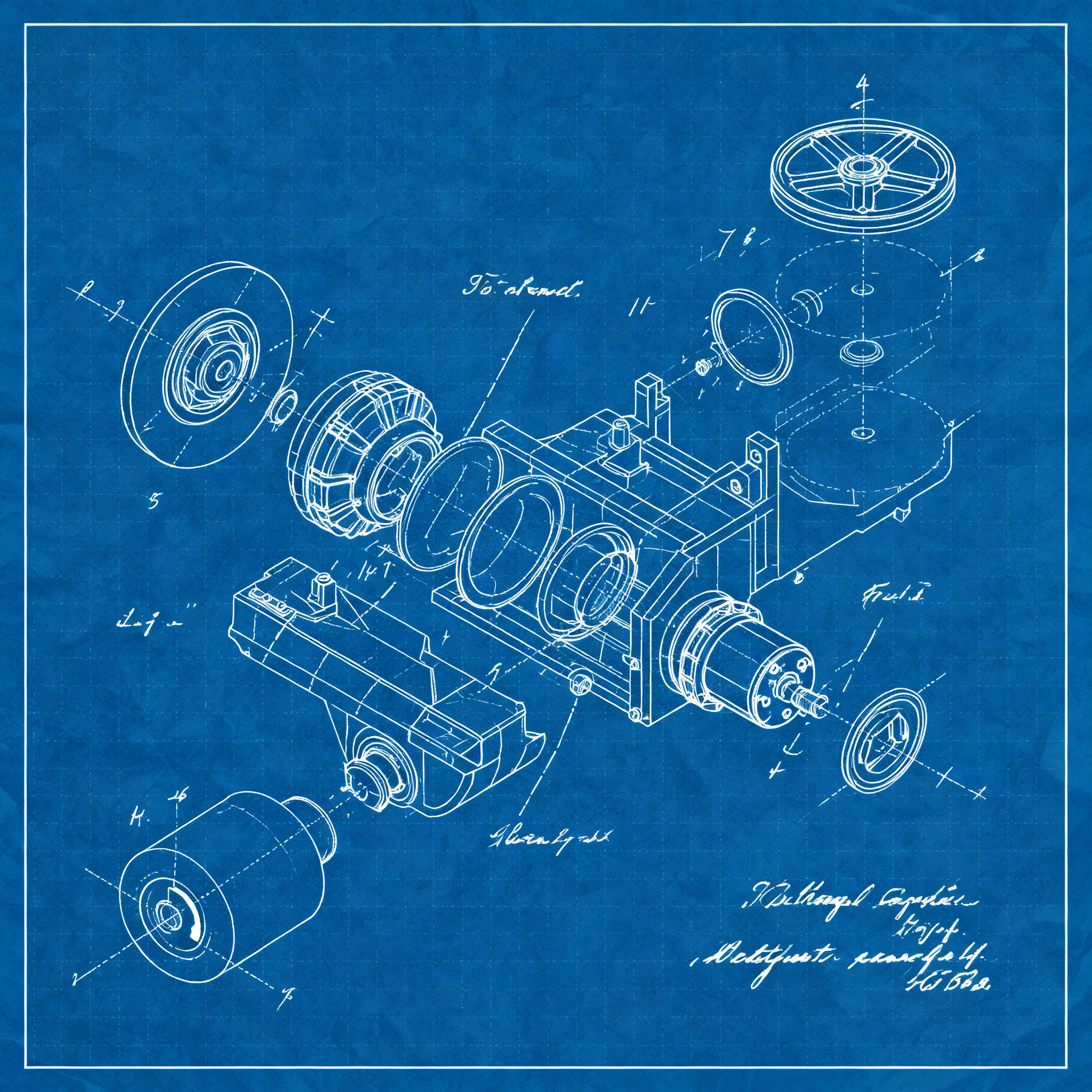
Post-Processing and Debinding: How Key Additive Manufacturing Technologies Work
The true leap in quality in additive manufacturing does not happen on the printer, but in post-processing: here is how the key technologies that determine the strength, finish, and performance of your parts work.
Post-processing represents a critical phase in the additive production workflow, where the physical and surface properties of components are completed and optimized. Traditionally, up to 60% of the total cost of a 3D printed component can be attributed to operations after printing. Modern automated post-processing technologies are transforming these manual, costly, and time-consuming processes into standardized and repeatable operations that enable industrial scalability.
Introduction to Post-Processing in Additive Manufacturing
Post-processing represents a critical phase in the additive production workflow, in which the physical and surface properties of components are completed and optimized.
Not all 3D printed components require post-processing to become functional, but for those that do, finishing technologies determine the difference between a prototype and a reliable industrial component. Post-processing includes various operations: support removal, cleaning from powder or resin residues, surface smoothing, drying, and final polymerization. These processes, if performed manually, introduce variability between operators and batches, limiting the repeatability required for critical industrial applications.
The automation of these phases is becoming essential for those who want to increase production volumes. Proprietary hardware and software solutions now allow for the automation of otherwise laborious processes, increasing output and minimizing operating costs. The choice of the correct technology depends strictly on the printing process used (SLS, FFF, Binder Jetting, SLA) and the materials involved.
Vapor Smoothing: Mechanisms and Industrial Applications
This technology allows for obtaining smooth and resistant surfaces thanks to the controlled application of solvents, ideal for technical components in engineering polymers.
Chemical Vapor Smoothing is a patented technology that improves the quality of 3D printed thermoplastic components through controlled exposure to chemical vapors. The process works by sealing the external surface of the part, obtaining an appearance and feel similar to injection molding, without degrading the mechanical properties of the material.
Vapor smoothing systems, such as the PostPro SF50, SF100, and SFX units, use process chambers of various sizes (from 11.5 liters for desktop applications up to 96 liters for industrial volumes) and are compatible with SLS, MJF, CFR, FFF/FDM, FGF, HSE, and HSS technologies. Processable materials include PA6, PA11, PA12, ABS, PC, PP, TPU, TPE, SBC, PEBA, and composites filled with glass, carbon, or minerals.
Il processo produce una variazione dimensionale inferiore allo 0,4% e un aumento dei valori di allungamento a rottura (EAB) senza perdita di resistenza alla trazione. La superficie sigillata rende i componenti impermeabili all’aria e all’acqua, facilitando operazioni successive come pulizia, colorazione e rivestimento. Questa tecnologia è particolarmente efficace per geometrie complesse e cavità interne, dove metodi manuali risulterebbero impossibili o inefficaci.
Debinding Chimico nei Processi a Legante (Binder Jetting)
Il debinding è un passaggio indispensabile per rimuovere il legante organico prima della sinterizzazione nei processi metallici e ceramici.
Nei processi additivi che utilizzano leganti, come il Binder Jetting per metalli e ceramiche, il debinding chimico rappresenta una fase cruciale del workflow produttivo. Dopo la stampa, il componente “verde” contiene ancora il legante polimerico che tiene insieme le particelle di polvere metallica o ceramica. Questo legante deve essere rimosso prima della sinterizzazione finale, che consolida il materiale portandolo alle proprietà meccaniche definitive.
Il debinding chimico utilizza solventi specifici per dissolvere selettivamente il legante, creando una struttura porosa che facilita la successiva fase di sinterizzazione. Questo processo richiede controllo preciso di temperatura, tempo di esposizione e agitazione per garantire una rimozione uniforme senza danneggiare la geometria del pezzo.
L’automazione del debinding è fondamentale per la produzione industriale. Sistemi automatizzati permettono di processare batch di componenti con parametri standardizzati, eliminando la variabilità operatore-dipendente. La scelta del solvente e dei parametri di processo dipende dal tipo di legante utilizzato e dal materiale finale del componente, che può essere acciaio inossidabile, titanio, leghe di alluminio o ceramiche tecniche.
Compatibilità Materiali e Scelta della Tecnologia
Ogni tecnologia di post-processing richiede specifiche combinazioni di materiali e processi per massimizzare efficienza e qualità del componente finale.
La selezione della tecnologia di post-processing corretta dipende da tre fattori principali: il processo di stampa utilizzato, il materiale del componente e le specifiche funzionali richieste. Per componenti stampati con tecnologie a polvere (SLS, MJF), il post-processing inizia con la rimozione della polvere non sinterizzata attraverso sistemi di depowdering e shot blasting. Questi sistemi utilizzano aria compressa e media abrasivi come perle di vetro, corindone, ceramiche o materiali plastici per pulire efficacemente i componenti senza danneggiare dettagli fini.
Per tecnologie a resina (SLA, DLP, PolyJet), il post-processing richiede lavaggio in solventi per rimuovere la resina non polimerizzata, seguito da polimerizzazione finale sotto luce UV. Tradizionalmente si utilizzava alcol isopropilico (IPA), ma questo presenta rischi significativi per sicurezza e ambiente: è altamente volatile, infiammabile e richiede protocolli di sicurezza rigorosi. Detergenti proprietari non infiammabili e a bassa volatilità rappresentano un’alternativa più sicura, con longevità chimica superiore: un singolo bagno può processare fino a 40.000 modelli dentali prima della sostituzione, contro i cambi giornalieri richiesti dall’IPA.
Automated systems integrate software that allows programming specific “recipes” for material and geometry, ensuring repeatability and traceability. This standardization is essential for regulated sectors such as aerospace, automotive, and medical, where quality consistency is a regulatory requirement.
Practical Cases: From SLS to Metal Binder Jetting
Through real-world examples, we see how post-processing directly influences the structural and functional quality of components in advanced sectors such as automotive and aerospace.
In the aerospace sector, post-processing of SLS printed components has demonstrated significant results. 3D printed production equipment has benefited from vapor smoothing to obtain smooth and sealed surfaces, improving chemical resistance and facilitating cleaning in critical production environments. Improved surface finish also reduces stress concentration points, increasing the fatigue life of components.
In the medical field, 3D printed prostheses have used chemical vapor smoothing technologies to obtain biocompatible and easily sanitizable surfaces. Surface sealing eliminates porosity that could harbor bacteria, a fundamental requirement for devices in contact with the human body.
In the automotive sector, Formula Student engine components have benefited from integrated post-processing that combines depowdering, shot blasting, and vapor smoothing. This optimized sequence allowed for obtaining components with mechanical properties comparable to those produced with traditional methods, but with geometries impossible to realize with milling or fusion.
For applications in metal Binder Jetting, the complete workflow includes printing, chemical debinding, sintering, and often final heat treatments. Automation of debinding has reduced cycle times and improved the consistency of final properties, enabling the production of series of complex metal components for critical industrial applications.
Conclusion
The success of modern additive processes increasingly depends on the post-processing and debinding phases, which determine their reliability, precision, and longevity.
Post-processing technologies represent the link between the promise of additive manufacturing and its industrial realization. Vapor smoothing, chemical debinding, automated depowdering, and advanced washing systems are not simple accessories, but essential components of a mature production workflow. Automation of these phases reduces variability, increases
article written with the help of artificial intelligence systems
Q&A
- What is the importance of post-processing in additive manufacturing?
- Post-processing is a critical phase that determines the strength, finish, and performance of 3D printed parts. It can account for up to 60% of the total component cost and makes the difference between a prototype and a reliable industrial component.
- How does vapor smoothing work and what materials can it treat?
- Vapor smoothing uses controlled chemical vapors to seal the surface of thermoplastic components, achieving smooth and resistant finishes. It treats materials such as PA6, PA12, ABS, PC, TPU, and filled composites, with dimensional variation under 0.4%.
- What is chemical debinding and why is it important?
- Chemical debinding is the process of removing the organic binder from 'green' components produced with Binder Jetting, before sintering. It is essential for obtaining porous structures that facilitate the consolidation of the final material without damaging the geometry.
- What are the safest alternatives to IPA in resin post-processing?
- Proprietary non-flammable and low-volatility detergents represent safer alternatives to IPA. They can process up to 40,000 dental models before replacement, compared to the daily changes required by IPA, reducing environmental and safety risks.
- How do automated technologies influence industrial post-processing?
- Automation standardizes processes, eliminates operator-dependent variability, and ensures repeatability and traceability. This is essential for regulated sectors such as aerospace, automotive, and medical, enabling production scalability.


