New frontiers in industrial 3D printing: composite materials and multi-material additive production
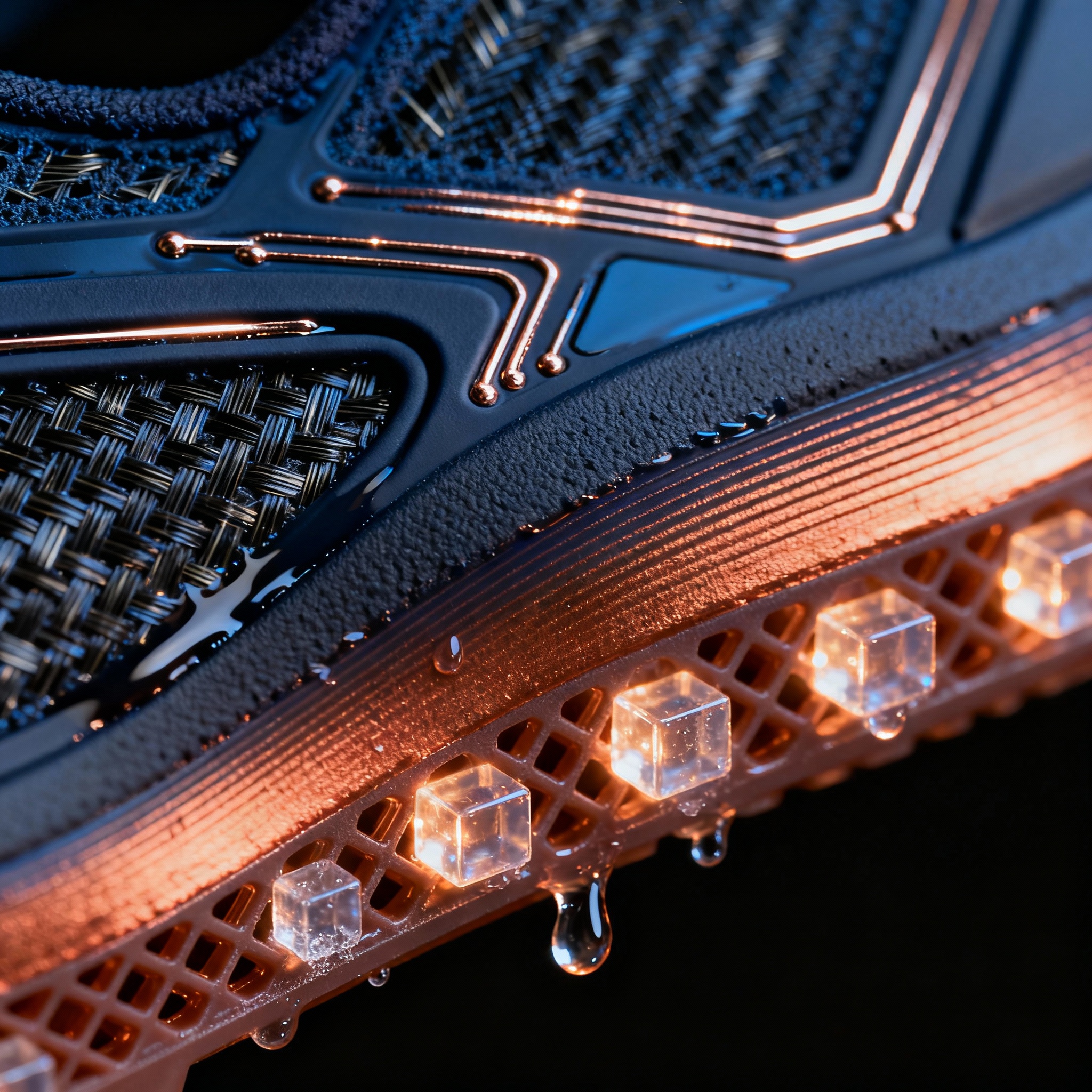
Multi-material 3D printing is establishing itself as the next frontier in industrial additive production. By combining materials with differentiated properties into a single component, it eliminates assembly and opens up unprecedented design scenarios. Integrating rigid, flexible, conductive, or heat-resistant zones into a single part revolutionizes sectors such as automotive and aerospace, where weight reduction and functional optimization are essential.
Innovations in multi-material 3D printing processes for industry
The multi-material machine park is expanding at every production level. In the desktop sector, the Bambu Lab H2C manages up to seven materials in a single session with minimal waste; Prusa has launched INDX, an eight-material system with rapid tool change and zero purging.
In the industrial sector, OMNI3D and Rapid Fusion offer large-scale multi-material extrusion for production environments. Stratasys supports multi-material flows with material jetting, while Aerosint (now Schaeffler) demonstrates multi-metal capabilities in laser powder bed fusion and binder jetting.
Oak Ridge National Laboratory has patented a modular extrusion system that combines multiple extruders into a single high-productivity flow using aluminum bronze nozzles. It doubles flow rates and can triple or quadruple them while maintaining precision, allowing the co-extrusion of multiple materials into a single bead without equipment changes.
Y-shaped nozzles reduce central porosity; proprietary nozzles generate core-and-sheath beads, encapsulating one material inside another to combine mechanical and functional properties with precision.
Advanced applications in automotive and aerospace
Automotive and aerospace are adopting multi-material for anti-impact panels, radar absorbers, and variable-stiffness components, all in a single print. Footwearology produces footwear with differentiated stiffness and cushioning, impossible with traditional processes.
AIM3D's Voxelfill technology counteracts FFF anisotropy: it fills a voxelized lattice with thermoplastic, reinforcing the Z-axis and randomizing fiber alignment. Strength increases from the 70% anisotropy of standard samples to the 23% of Voxelfill samples.
It applies to bumpers, hulls, reinforced bridges, protective panels, and fireproof enclosures for the energy sector.
Technical challenges and solutions in printed composites
Large extruders require heavy and expensive gantries; as output increases, precision drops and speed must decrease to avoid heat deformation. The modular ORNL system adds or deactivates micro-extruders without losing quality, matching the output of larger systems without increasing mass.
GraMMaCAD integrates graded material distributions directly into CAD; OpenVCAD, open-source, fuses two materials in a continuous transition. Finally, PVA or HIPS support materials dissolve without damaging the part, shortening post-processing.
Future prospects and investments
The multi-material market is destined for robust growth: multi-material capability is becoming standard. ORNL research, funded by the Department of Energy and the SM2ART program with the University of Maine, according to Halil Tekinalp «will redefine additive extrusion, strengthening US manufacturing competitiveness». Vipin Kumar adds that innovation «avoids cross-contamination, keeping distinct materials pure».
Printing rigid, flexible, and specialized regions in a single build eliminates fixtures, adhesives, and assembly, reducing labor and costs.
Toward a new era of additive production
Multi-material 3D printing is a turning point: advanced materials and functional integration transform design and fabrication. To move from prototyping to regulated production, rigorous standards will be needed, especially in aerospace and medical.
The potential is enormous: medical devices, robotics, consumer electronics. Print heads, mixing systems and increasingly reliable software make multi-material ready for mass production, opening a new era in additive manufacturing.
article written with the help of artificial intelligence systems
Q&A
- What is the main advantage of multi-material 3D printing over traditional processes?
- It eliminates assembly by integrating rigid, flexible, conductive or heat-resistant zones into a single part. This reduces weight, labor and costs, revolutionizing sectors like automotive and aerospace.
- How does AIM3D's Voxelfill technology counter the typical anisotropy of FFF?
- It fills a voxelized lattice with thermoplastic, reinforcing the Z-axis and randomizing fiber alignment. Strength goes from the standard 70% anisotropy to 23% with Voxelfill.
- What are the two main technical challenges in large-size extruders and how does the ORNL system address them?
- The challenges are loss of precision and thermal deformation as output increases. ORNL adds or deactivates modular micro-extruders without increasing gantry mass, maintaining quality and productivity.
- What makes the Y-shaped and core-and-sheath nozzles developed by ORNL innovative?
- Y-nozzles reduce central porosity; proprietary ones generate beads with one material encapsulated inside another, combining mechanical and functional properties with precision in a single bead.
- Why does multi-material market growth require new rigorous standards?
- Moving from prototyping to regulated production in high-risk sectors like aerospace and medical requires standards that guarantee reliability, traceability, and safety of printed components.