Materiale: Polymers

How to Protect Your Digital Creations with MakerWorld's New Copyright System

How to Protect Your Digital Creations with MakerWorld's New Copyright System

MakerWorld has enhanced its copyright protection system, allowing creators to report abuse and protect their digital creations. The new centralized tool facilitates evidence collection and legal support, in exchange for content exclusivity on the platform.
Ultrafast and High Precision in Industrial Additive Processes: How It Really Works

Ultrafast and High Precision in Industrial Additive Processes: How It Really Works

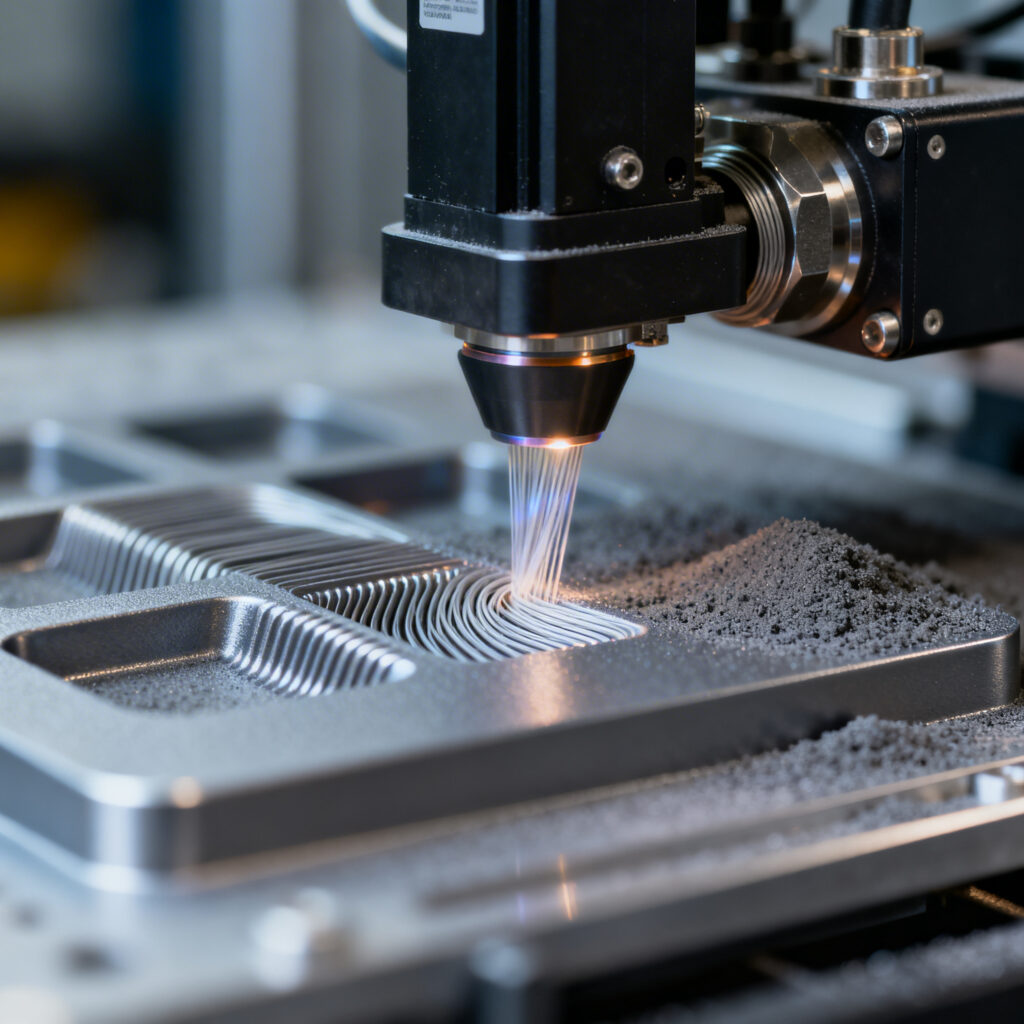
Industrial additive manufacturing today combines speed and precision thanks to advanced technologies such as multi-laser, AI and automated post-processing. Systems like SSLM and TVAM drastically reduce production times while maintaining high quality. High-performance materials – technical polymers, metal alloys and composites – expand applications. Automation in vapor smoothing and depowdering m

How Additive Manufacturing is Redefining the Regional Infrastructure for Resilient Public Services

How Additive Manufacturing is Redefining the Regional Infrastructure for Resilient Public Services

Australia is using additive manufacturing to build more resilient public infrastructure, reducing dependence on foreign suppliers and strengthening local production thanks to collaborations between research, industry, and government.

Sustainability in Industrial 3D Printing: Understanding Environmental and Technological Trade-offs

Sustainability in Industrial 3D Printing: Understanding Environmental and Technological Trade-offs

Industrial 3D printing can reduce environmental impact, but it requires strategic choices on materials, energy efficiency and life cycle management. Although it offers advantages such as less waste and simplification of the supply chain, the real benefit depends on sustainable feedstocks, efficient processes and recovery policies. Studies show that the use of recycled material and energy sources

Prusa PETG Ultraglow vs. Alternatives: Is it the True Leap Forward for Nighttime 3D Printing?

Prusa PETG Ultraglow vs. Alternatives: Is it the True Leap Forward for Nighttime 3D Printing?

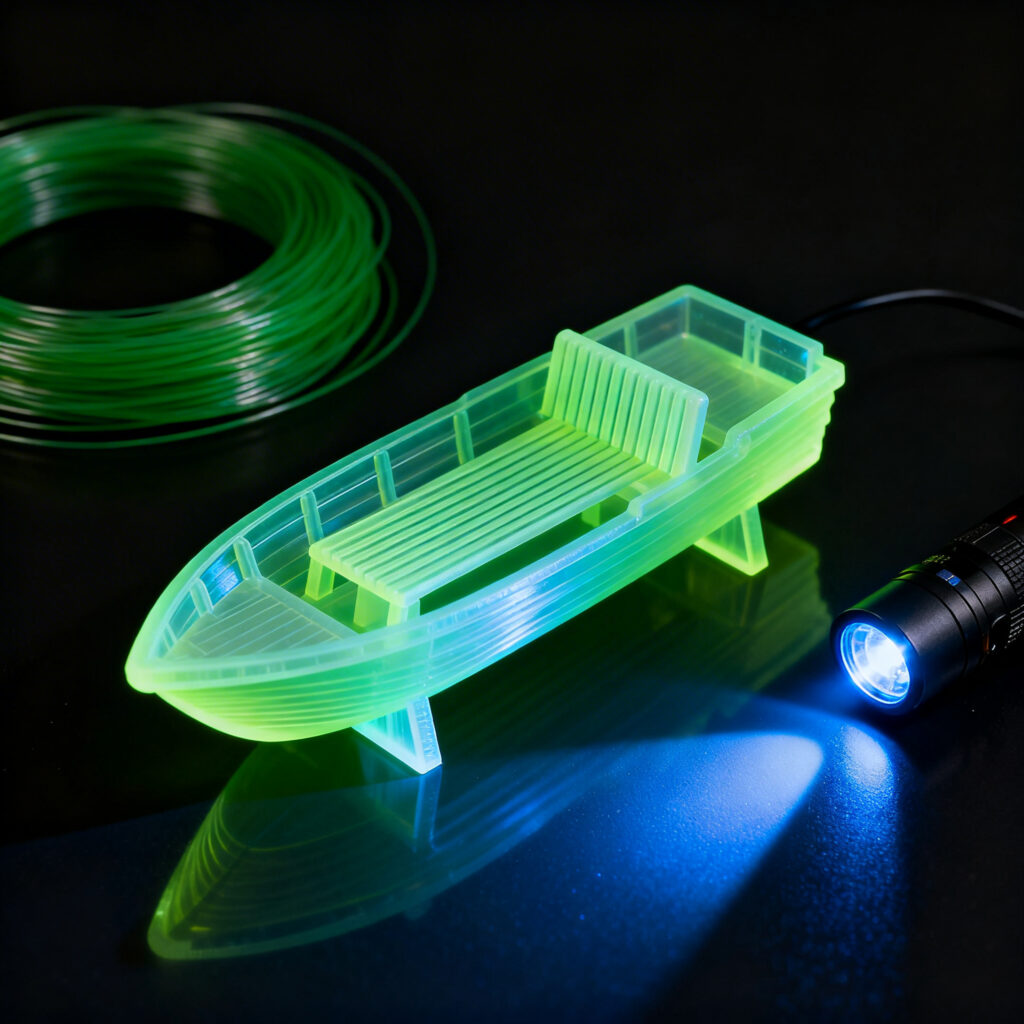
Prusa launches PETG Ultraglow, a high-quality phosphorescent filament. Superior to glow-in-the-dark PLA for brightness and durability. Ideal for technical and safety applications thanks to the resistance of PETG and its ability to shine for a long time. Requires hardened nozzles for printing. High cost but justified for professional use.

Implementing Industrial Adoption of 3D Printing in Non-Traditional Sectors

Implementing Industrial Adoption of 3D Printing in Non-Traditional Sectors

Industrial adoption of 3D printing in non-traditional sectors, such as automation, robotics, and energy infrastructure, is growing thanks to structured operational plans. By integrating digital design, simulations, and rapid production, companies like Boston Dynamics and Siemens are optimizing products and processes, reducing costs, times, and the number of components.

Large-Scale Customization and Retail Integration: How the New Production Model Really Works

Large-Scale Customization and Retail Integration: How the New Production Model Really Works

The convergence between additive manufacturing and retail is redefining custom production, extending it from consumer goods to industrial sectors. Thanks to 3D printing, it is possible to produce multiple variants without additional costs, while artificial intelligence manages design complexity. Retail points are transforming into production and data collection nodes, enabling personalization

Post-Processing and Debinding: How Key Additive Manufacturing Technologies Work

Post-Processing and Debinding: How Key Additive Manufacturing Technologies Work

Post-processing and debinding are crucial stages in additive manufacturing that determine the quality, strength, and finish of components. Technologies such as vapor smoothing and chemical debinding improve surface and structural properties, making parts ready for industrial use.

How 3D Anatomical Models Work in Surgical Planning for Medical Education

How 3D Anatomical Models Work in Surgical Planning for Medical Education

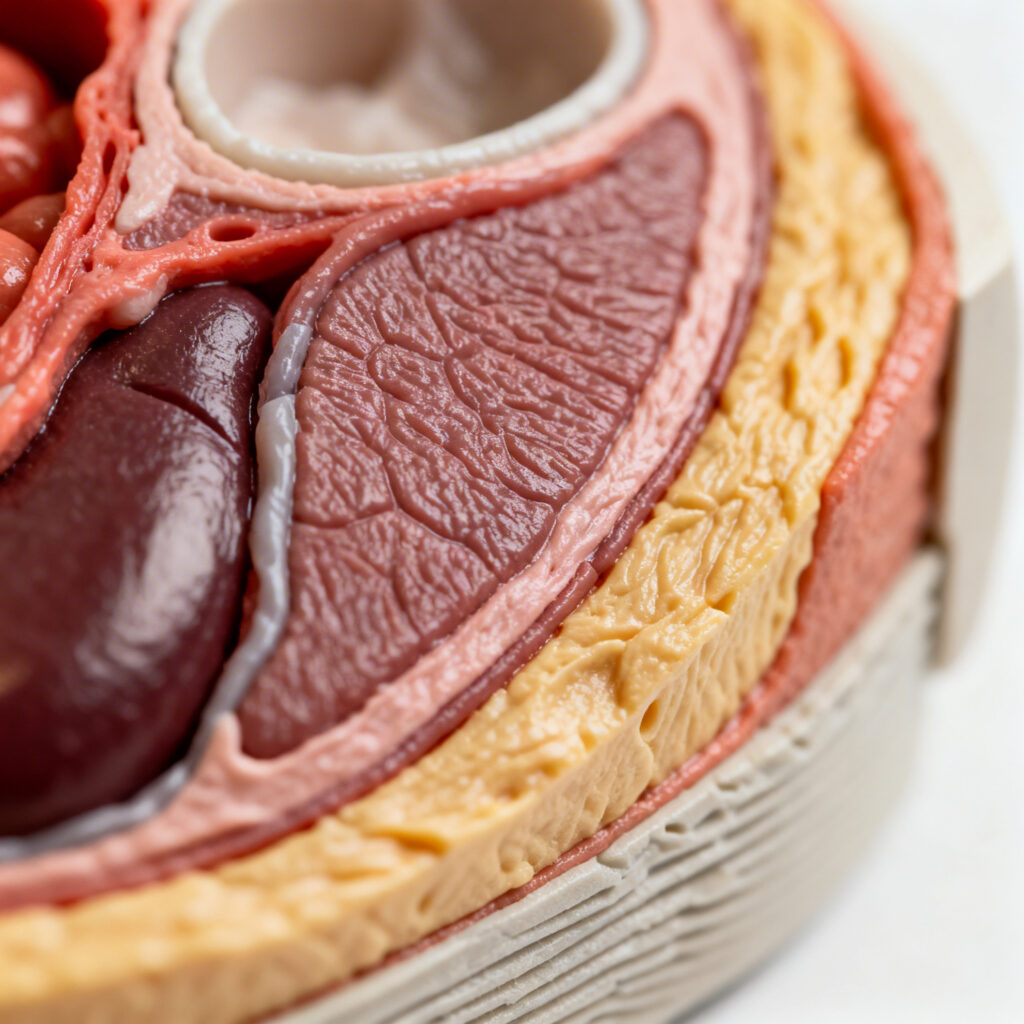
Surgical planning with 3D anatomical models is revolutionizing medical education, offering realistic and personalized simulations for surgeon training. Thanks to multi-layer printing technology and radiological data, it is possible to faithfully recreate human tissues, allowing for simulated interventions without risk to patients. Models, used in university and cli

Modern Slicer Architectures: How Technical Debt Affects the Future of 3D Printing

Modern Slicer Architectures: How Technical Debt Affects the Future of 3D Printing

preFlight is a new open source slicer that renews the traditional architecture to improve precision, stability, and the management of technical debt accumulated in legacy slicers like PrusaSlicer. Designed with modern standards, it supports 64-bit pipelines, updated libraries, and innovations like Athena Perimeter Generator and Interlocking Perimeters, aiming for greater reliability and performance in the

New Era for Formlabs: Leadership Change with Entry of Rob Willett

New Era for Formlabs: Leadership Change with Entry of Rob Willett

Formlabs announces a leadership change with Rob Willett joining the board, while Carl Bass leaves after eight years. Willett, former CEO of Cognex, brings expertise in automation and machine vision, marking a strategic shift for the company aiming to expand its influence in professional additive manufacturing and prepare for a potential IPO.

Additive Manufacturing and Digital Twin: How 3D Printing is Redefining the Digital Industrial Ecosystem

Additive Manufacturing and Digital Twin: How 3D Printing is Redefining the Digital Industrial Ecosystem

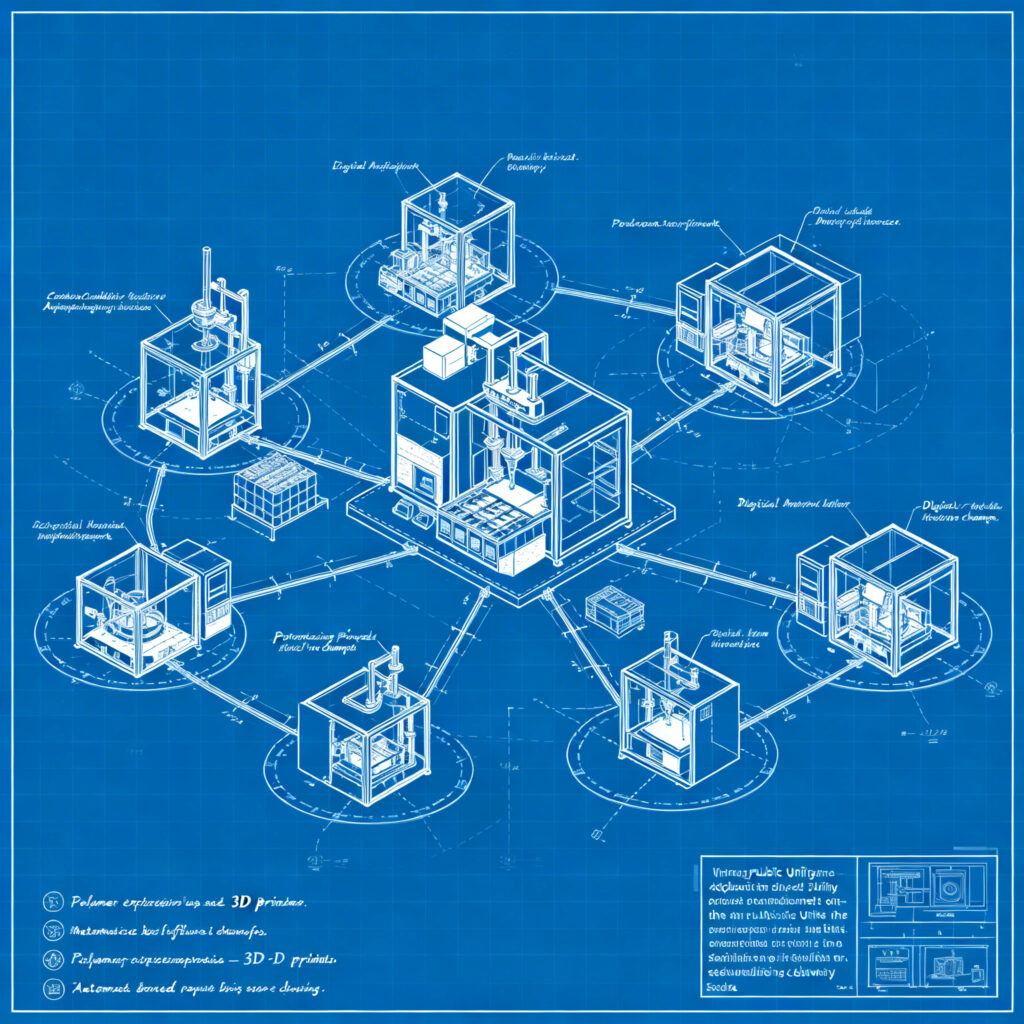
The integration between additive manufacturing and digital twin is revolutionizing the industry, enabling the transformation of virtual models into optimized physical components. This synergy reduces development times and costs, improves production efficiency, and allows for continuous innovation in sectors such as aerospace and energy.

/