Specialized materials and filaments: advanced solutions for modern applications
Introduction
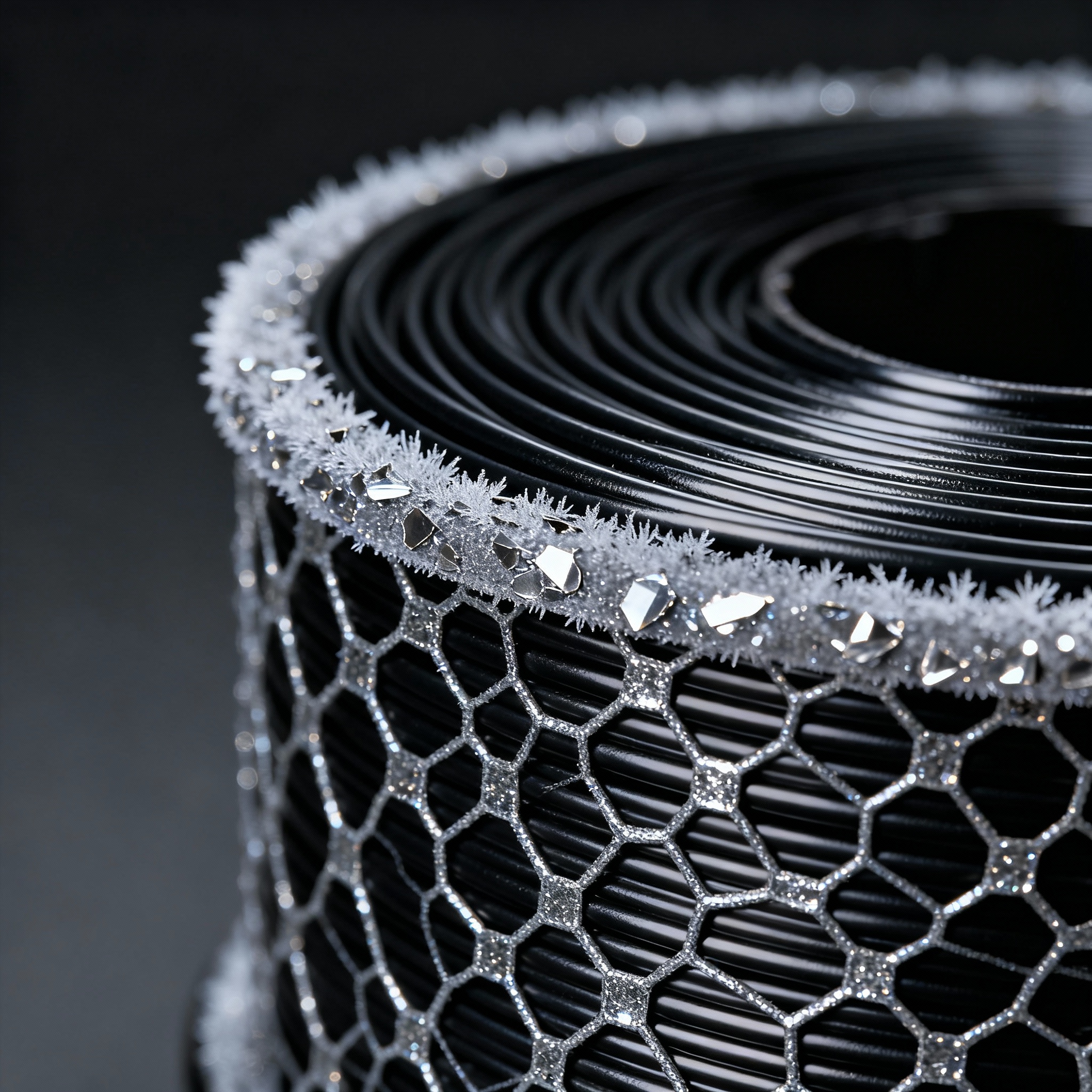
The 3D printing industry is undergoing a revolution thanks to advanced composite materials. The new nylon filament with graphene mesh reaches a tensile strength on the Z-axis of 60 MPa, a value 2.5 times higher than that of 3DXTech products and significantly higher than Stratasys' standard Nylon 12CF. By replacing traditional carbon fibers with graphene, the technology offers doubled mechanical performance.
Specialized materials have evolved beyond simple PLA, including flame-retardant filaments, reinforced composites, and polymers certified for specific applications. Carbon fiber remains among the preferred materials for engineers due to its high lightness and exceptional mechanical properties.
Classification and properties
Advanced filaments are divided based on properties and applications. Graphene composites represent the new frontier: the mesh integrated into nylon creates a structure that significantly improves mechanical performance. Flame-retardant filaments, designed to self-extinguish, are essential in electronics and industrial settings where fire safety is a priority. Materials certified for food contact require particular attention: only filaments with specific certifications are safe for food, regardless of the common perception that identifies all PLA as suitable.
Production processes and quality control
The production of composite filaments requires sophisticated processes. The integration of the graphene mesh into nylon necessitates precise technologies to ensure the uniform distribution of the reinforcement in the polymer matrix. For flame-retardant filaments, flame-retardant additives must be dispersed homogeneously during extrusion; compliance testing with safety standards is an integral part of the cycle. Materials for food use require control of the absence of toxic additives and uncertified dyes, in addition to full traceability of the components.
Applications
Nylon-graphene filament is used in aerospace, automotive, and robotics, where Z-axis strength is critical for structural components subjected to significant loads. Flame-retardant materials are increasingly requested for electronic enclosures and supports that must meet strict safety standards. Food-safe filaments allow the creation of kitchen utensils and containers, but the safety of the printed part also depends on surface porosity and printing conditions.
Performance and test methods
Standardized mechanical tests highlight for nylon-graphene a resistance of 60 MPa on the Z-axis, superior to that of traditional materials and particularly useful where delamination is critical. Flame-retardant materials must pass flammability tests according to international standards, often obtaining the UL94 classification. For materials in contact with food, tests verify FDA or European compliance, but the quality of the printed surface is equally important to avoid bacterial proliferation.
Market trends
The market is growing rapidly: manufacturers like SUNLU are launching ultra-resistant filaments and CMYK resins, diversifying the sector towards increasingly specific applications. Graphene represents the future of composites for 3D printing, while flame-retardant materials become more accessible and numerous, responding to the demand for electronic and industrial components compliant with safety standards.
Conclusion
Specialized filaments are driving the evolution of 3D printing towards professional applications. The 60 MPa resistance of nylon-graphene demonstrates how innovation in materials surpasses traditional limits. Diversification – from ultra-resistant composites to flame-retardant and food-safe polymers – allows for tackling complex and regulated applications, provided that production processes and quality controls are also considered. The future points towards increasingly specialized solutions, with advanced technologies like graphene and materials compliant with stringent regulations, a sign of the growing maturity of additive manufacturing.
article written with the help of artificial intelligence systems
Q&A
- What is the tensile strength on the Z-axis of the new filament with nylon and graphene mesh and how does it compare with traditional materials?
- The filament reaches 60 MPa, a value 2.5 times higher than that of 3DXTech products and significantly higher than the standard Nylon 12CF from Stratasys. This allows for overcoming delamination problems in structural components subjected to significant loads.
- For which sectors is the use of nylon-graphene filament particularly indicated?
- It is employed in aerospace, automotive, and robotics, where resistance on the Z-axis is critical. Its high mechanical strength makes it ideal for structural components that must withstand intense stresses.
- What distinguishes flame-retardant filaments and what are their main applications?
- They are designed to self-extinguish and contain flame-retardant additives dispersed homogeneously. They are essential for enclosures and electronic supports that must comply with strict fire safety standards.
- Why aren't all PLA filaments considered safe for food contact?
- Only filaments with specific certifications (FDA or European) are truly food-safe. Safety also depends on surface porosity and printing conditions, which can promote bacterial growth.
- What quality controls are required for food-contact materials?
- The absence of toxic additives and uncertified dyes is verified, complete traceability of components is guaranteed, and regulatory compliance tests are performed. The quality of the printed surface is equally important for hygienic safety.
- What are the emerging trends in the specialized filament market?
- The availability of ultra-resistant filaments, CMYK resins, and flame-retardant materials at more accessible prices is growing. Graphene is increasingly used in composites, while solutions for applications governed by strict regulations are diversifying.