Investments in industrial 3D printing infrastructure: unprecedented growth in 2026
The industrial 3D printing sector is experiencing extraordinary expansion: substantial investments are transforming water infrastructure, defense, and advanced manufacturing. After a temporary slowdown, in the third quarter of 2025 the market recorded a +51% increase in total hardware revenue, driven by aerospace, defense, and the domestic Chinese market.
Market evolution
The landscape now goes beyond pure prototyping. In Great Britain, the Water Industry Printfrastructure project – led by United Utilities with ChangeMaker3D, Manchester Metropolitan University, and Scottish Water – has produced wastewater nozzles, inspection camera plates, and monitoring instrument tanks, all already in daily use.
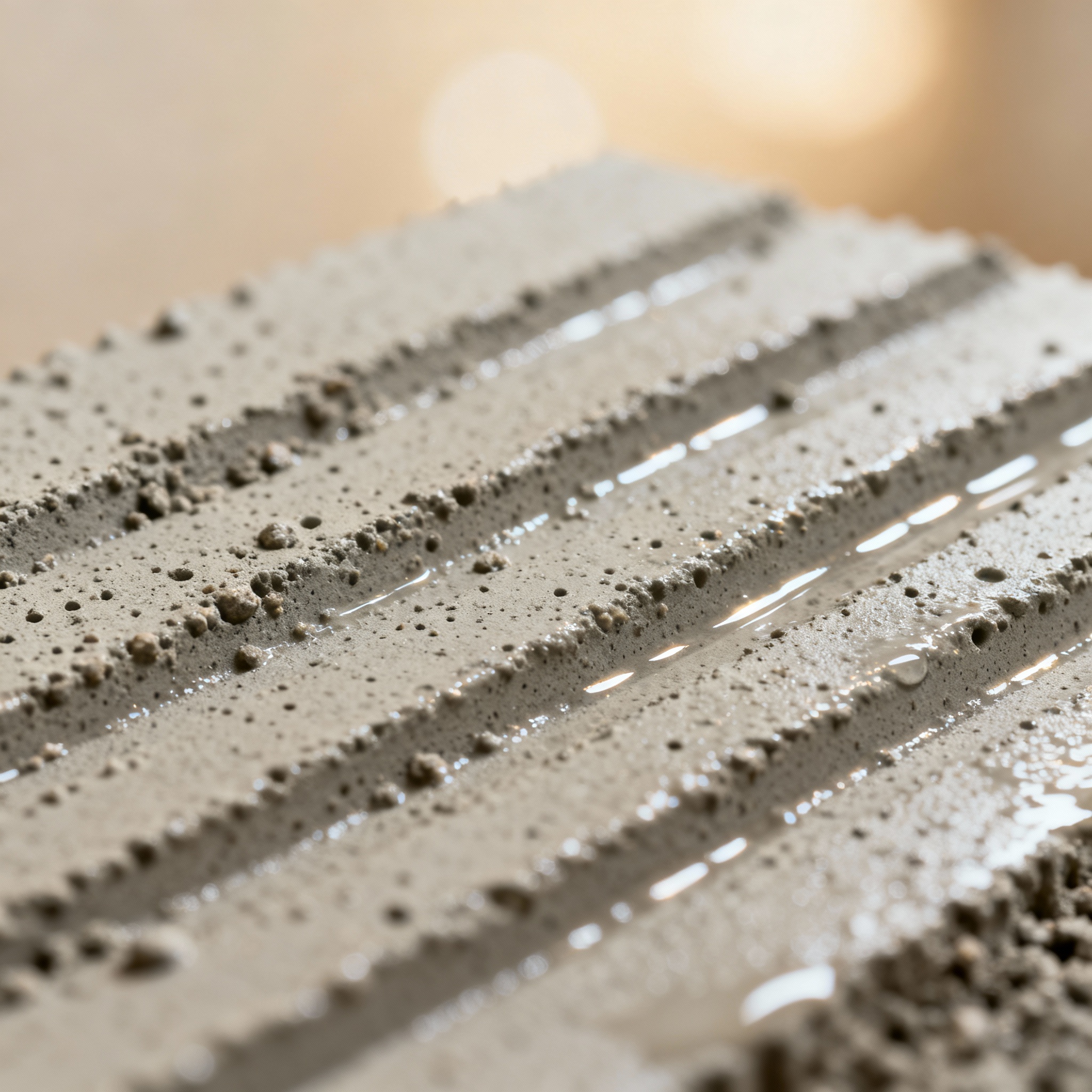
The concrete 3D printing hub activated in June 2024 at the Wigan plant marks a turning point: overflow chambers, containment walls, and manhole rings are produced with 60% shorter lead times and a 27% carbon saving, verified by independent consultants.
Globally, shipments of systems over $100,000 grew by 31% year-over-year in units; China recorded a +22% thanks to ZRapid Tech and BLT. Metal PBF systems rose by 25%, while polymer platforms in the same price range remain struggling.
Major investors and projects
The Indian army, with the PRABAL project developed with IIT-Hyderabad, has deployed concrete 3D printers mounted on vehicles in Northern Sikkim. In April, the first military structure printed on-site was completed in Leh, at 11,000 feet: a world altitude record under low-oxygen conditions.
The Colt Group, an American company active in pressure pipe repair, adopted Artec Leo 3D scanners: digitization is 18 times faster, reducing repair times and technicians' exposure to hazardous environments.
United Utilities has announced an increase in the 3D printing budget for the 2025-2030 five-year period and uses polymer printing for obsolete parts, extending the life of filter arms and creating custom prototypes.
Economic impact and global competitiveness
Large-format stereolithography can reduce industrial tool costs by up to €200,000, cutting lead times from months to days. 3D Systems is investing heavily in lasers for large-scale tooling.
The Printfrastructure project highlighted up to 50% carbon savings over the lifecycle. Chinese suppliers of metal PBF systems have increased shipments by 35%; most remain on the local market, serving private aerospace and space-tech companies. EOS closed the quarter at +20%, while Nikon SLM Solutions maintains the lead in large-format metal systems thanks to the NXG platform.
In the entry-level segment (<€2,500), global shipments grow by 18%; Bambu Lab and Creality hold 57% of the quarter.
Challenges and opportunities
United Utilities emphasizes the need to communicate the method's benefits: the Wigan hub shows real-time concrete printing speed.
Technical barriers
– Insufficient resolution for advanced filtration pores
– Chemically resistant and food-grade materials still limited
- Difficulty in printing flat membranes beyond 1×5 m
Economic barriers
- Industrial printers for infrastructure components: 200,000-500,000 $
- Slow production: cost-effective only under 1,000 pieces/year
- Special materials: 100-500 $/kg vs 10-50 $/kg of conventional ones
Regulatory hurdles
- Lack of NSF/ANSI certifications for drinking water
- Request for >20 years durability data with <10 years of field history
Opportunities
– Ceramic lattices from the University of Bath remove ≥75% of PFAS and PFOA
– Design freedom, rapid production, sustainability, advantages on small batches
Long-term perspectives
According to CONTEXT, sentiment in the high-end is cautiously optimistic; the sector is moving away from expansion at all costs to focus on niches with proven economic value. Decentralized hubs, digital twins, and predictive maintenance are being explored. United Utilities is testing emergency polymer parts for broken pipes while awaiting permanent solutions.
3D printing will not revolutionize infrastructure overnight, but it is already creating value in specific applications and will expand as materials and processes mature, driven by aerospace, defense, and Chinese manufacturing.
article written with the help of artificial intelligence systems
Q&A
- What is the carbon saving achieved by United Utilities' Water Industry Printfrastructure project?
- The project highlighted a carbon saving of 27% for concrete components printed in Wigan and up to 50% over the full lifecycle. The data was verified by independent consultants.
- Why do polymer systems over 100,000 units remain in difficulty despite overall market growth?
- Demand is concentrated on high-value applications in aerospace, defense, and infrastructure, sectors that prefer metal PBF solutions, which grew by 25%, while polymers still need to demonstrate clear economic benefits in that price range.
- What are the main technical barriers preventing the use of 3D printing for advanced water components?
- The current resolution is insufficient for fine filtration pores, chemically resistant and food-grade materials are limited, and it is still not possible to print flat membranes larger than 1×5 m.
- How did the Indian army use concrete 3D printing in the PRABAL project?
- It mounted printers on vehicles in Northern Sikkim and in April 2025 completed the first military structure printed on-site in Leh (11,000 feet), establishing the world altitude record in low-oxygen conditions.
- How much can large-format stereolithography lower the cost of industrial tools compared to traditional methods?
- It can reduce expenses by up to 200,000 $, lowering production times from months to a few days, as demonstrated by 3D Systems' investments in lasers for large-scale tools.
- What regulatory obstacles are hindering the adoption of 3D printing for water infrastructure?
- There is a lack of NSF/ANSI certifications for drinking water and data on longevity exceeding 20 years is required, requirements that currently no 3D printed material can provide.