How to Create a Custom Fidget Device Business with 3D Printing
From the fidget spinner to the market for personalized sensorial devices: here's how to create a profitable business using 3D printing.
The market for fidget devices has exploded in recent years, transforming from a simple trend into a consolidated sector for millions of people seeking tools for emotional self-regulation. Thanks to desktop 3D printing, it is now possible to start a business in this sector from scratch, with minimal investment and extremely fast launch times. Singaporean designer Jennifer Ang, founder of heyo.makers, demonstrated how it is possible to sell over 1,000 fidget clickers in a few months through pop-up shops, turning a personal passion into a profitable activity during the pandemic.
From Idea to Prototyping: First Steps in 3D Printing
Transforming an idea into a working prototype now takes just a few days thanks to affordable 3D printers and intuitive software, eliminating weeks of waiting for mock-ups from external suppliers.
The first step to launching a fidget device business is understanding the power of rapid prototyping. As Jennifer Ang explains: «3D printers can turn ideas into reality almost instantly. You can do tests in a few hours, without sending anything to a supplier for mock-ups and waiting a week.» This time advantage is crucial for rapidly testing different design variants and gathering feedback from the market.
To get started, you don't need expensive industrial machines. Ang started in 2017 with an economical printer purchased on Taobao, an assembly kit that required technical skills but cost a fraction of plug-and-play alternatives. However, today, printers like the Bambu Lab A1 offer professional quality at accessible prices, eliminating the technical learning curve and allowing you to focus on design and business.
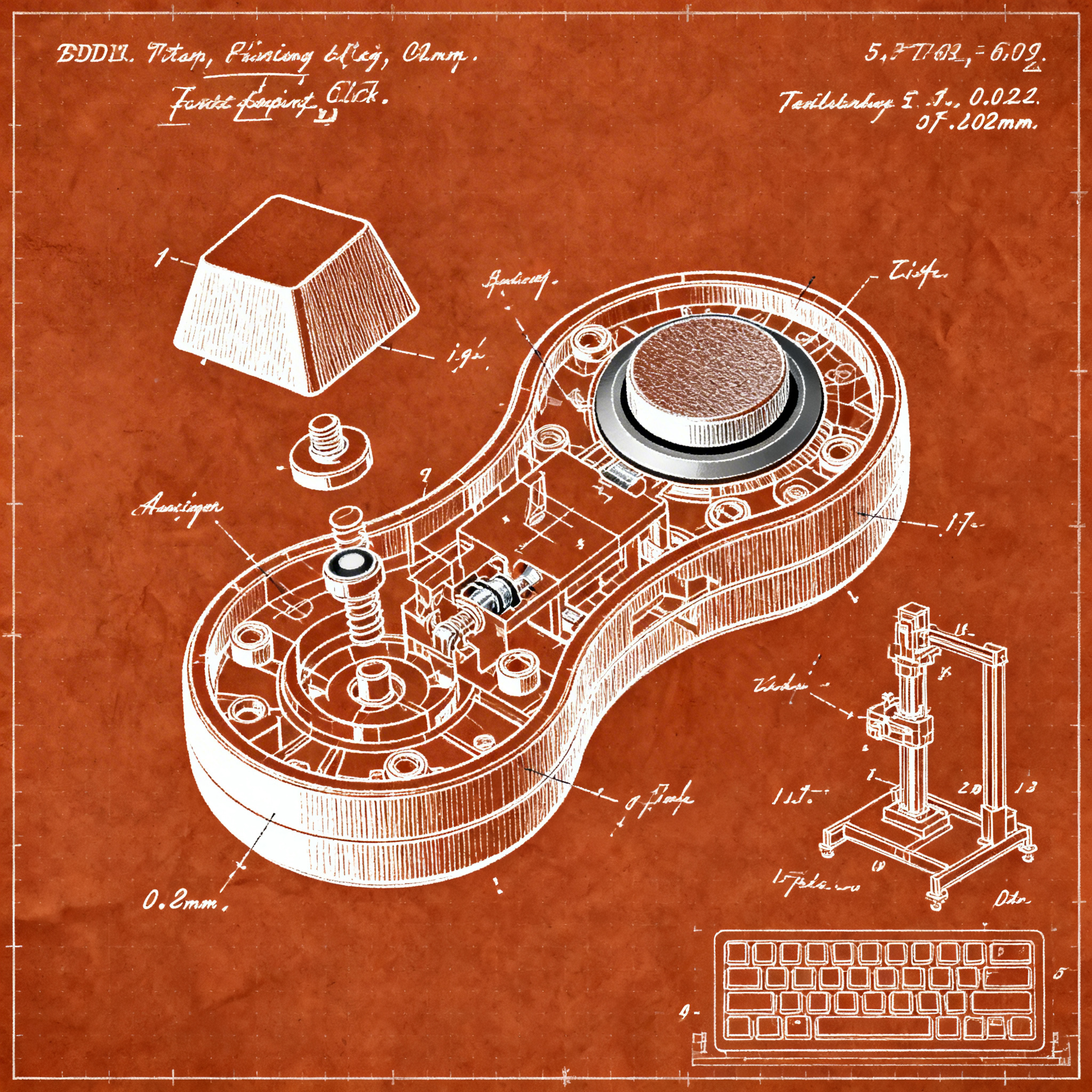
Precision is fundamental: the fidget clickers from heyo.makers require tolerances of just 0.02 mm to ensure that the keycaps fit perfectly on the base. A greater deviation compromises the “click” and the tactile feel, which are central elements of the product. For this reason, accurate printer calibration and attention to print parameters (layer height, temperature, speed) make the difference between a mediocre prototype and a marketable product.
Key Platforms for Producing and Selling Without High Initial Investments
Marketplaces like Shopee, Lazada and social networks like TikTok allow you to test and sell customized products with practically zero entry costs, reaching customers without the need for a physical store.
Once the prototype is perfected, the next step is to find the right sales channels. Jennifer Ang started selling customized products on Shopee during the pandemic, when her teaching activities had stopped. The platform allowed her to test the market without investing in advertising or infrastructure, reaching local customers interested in keychains, coasters and 3D printed phone stands.
Subsequently she expanded her presence on Carousell, Lazada e TikTok, the latter being particularly effective for visually appealing products like fidget devices. Short videos showing the click mechanism and keycap customization generate organic engagement, turning curious viewers into buyers. On TikTok, virality can make a product take off without an advertising budget, provided the content is authentic and clearly shows the product's value.
The pop-up model represents a strategic evolution. Ang realized that “print-on-demand” customized products didn't work in pop-ups, where customers can't wait an hour to see the object being made on the machine. She therefore flipped the model: all production (bases and keycaps) is done beforehand in a home lab, so at the pop-up only the assembly and sales phase remains. At the first event at the end of October 2025 at PLQ Mall in Paya Lebar, she feared she wouldn't sell the 200 printed keycaps. Instead, on the first day alone she sold about 30 fidget clickers with 120 keycaps, exceeding all expectations.
The prices of its products range from S$8 to S$48 (approximately 6-36 euros), with interesting margins considering that the cost of material for a single keycap is less than 1 euro. The key to success has been offering over 400 different designs of keycaps, allowing customers to create unique combinations that reflect their personality.
Case Studies: From Hobby to Real Business During the Pandemic
The pandemic forced many makers to turn personal passions into concrete sources of income, demonstrating that 3D printing can support hybrid micro-enterprises that combine online sales and physical presence.
Jennifer Ang's journey is emblematic of how a hobby can evolve into a business. After studying Industrial Design at Nanyang Polytechnic and working as a designer at a consulting firm, she purchased her first 3D printer in 2017 as a personal project. During the pandemic, when in-person lessons stopped, she gradually turned her passion into a commercial activity.
Her hybrid approach combines three channels: on-demand production from home for standardized items sold online, pop-ups for highly customized products requiring live interaction, and commissioned design services. This model distributes risk and allows for testing new ideas without abandoning established sources of income.
The target audience has proven to be broader than expected. Ang thought that fidget clickers would attract mainly children, but she discovered that a significant portion of the clientele is composed of adults, particularly women, who even dedicate entire lunch breaks to carefully choosing keycaps to match. This insight guided the design towards themes that appeal to both young people and adults: typical Singaporean snacks, dim sum, emojis, cursive characters, and “cute” illustrations.
From a psychological point of view, fidget clickers work as tools for emotional self-regulation: many people manage anxiety or attention overload with repetitive gestures like clicking pens, playing with hair or jewelry, or tapping the table. Fidget clickers offer a more conscious and socially acceptable alternative, presenting themselves as carefully crafted and personalized accessories.
Production requires commitment: in view of the pop-ups, Ang's printers work even 18 hours straight to produce hundreds of keycaps. Over time, she has built a small home machine park, owning a total of a dozen 3D printers, although today she only uses a few models of superior quality steadily. This allows her to manage both continuous production for online sales and intensive campaigns for events.
Conclusion
Starting a custom fidget device business today is easier and more accessible than ever, thanks to desktop 3D printing technologies and digital platforms that lower entry barriers. The heyo.makers case demonstrates that with creativity, attention to quality, and market understanding, it is possible to turn a passion into a profitable activity in just a few months. The key is to start with minimal investments, test ideas quickly on the market, and iterate based on customer feedback.
Start designing your first device right away: don't wait for someone else to do it for you. Once you have mastered 3D modeling and printing, the range of possible products expands almost without limits, paving the way for expansions towards custom keyboards, other types of fidgets, and personalized accessories that the market demands.
article written with the help of artificial intelligence systems
Q&A
- What are the main advantages of using 3D printing to create custom fidget devices?
- 3D printing allows for rapid prototyping, testing different design variants in just a few hours, and reducing development times. Furthermore, it enables the production of custom objects with low initial costs and without having to wait for external suppliers.
- Which digital platforms are suitable for selling fidget devices without high investments?
- Platforms like Shopee, Lazada, Carousell, and TikTok are ideal for testing and selling customized products with minimal entry costs. TikTok, in particular, is effective for showcasing the design and functionality of fidget devices through engaging videos.
- How did Jennifer Ang manage production for pop-up events?
- Jennifer Ang produces all components in advance in her home laboratory, so she can dedicate pop-ups exclusively to selling and assembling products. This system allows her to meet customer demand immediately without waiting times.
- What is the main target for fidget clickers according to Jennifer Ang's experience?
- Contrary to expectations, the main target is not only children but also includes many adults, particularly women. These customers appreciate customization and dedicate time to choosing details, such as keycaps, making the product a tool for personal expression.
- Why is precision in 3D printing crucial for fidget clickers?
- Precise tolerance, even just 0.02 mm, is required for components to fit correctly and for the device to produce the desired sound and tactile feel. Any deviation would compromise the product's effectiveness as a tool for emotional self-regulation.