Liver bioprinting: a decisive step towards temporary liver regeneration
A $28.5 million project aims to create bioprinted liver tissue to help patients with acute liver failure, marking a breakthrough compared to traditional transplants.
The liver is among the most resilient organs in the human body, capable of regenerating autonomously in response to acute or chronic injuries. When this capacity is lost, however, the prognosis can be fatal. To address this challenge, a team from Carnegie Mellon University in Pittsburgh has received $28.5 million from ARPA-H (Advanced Research Projects Agency for Health) for the LIVE (Liver Immunocompetent Volumetric Engineering) project. The goal is not a permanent organ, but rather temporary liver tissue that gives the damaged liver time to regenerate, avoiding transplantation and freeing up precious organs for other patients on the waiting list.
The LIVE project and its therapeutic vision
The initiative aims to develop bioprinted liver tissues to support those affected by acute liver failure, offering a “biological bridge” capable of revolutionizing the therapeutic approach.
The team led by Dr. Adam Feinberg aims to create a functional “piece” of liver to be implanted temporarily. «It would last two to four weeks, enough time for the natural liver to regenerate on its own, eliminating the need for a transplant,» explains Feinberg himself. This solution would reduce the pressure on waiting lists, which today contain thousands of names.
Key technologies: FRESH and 3D Ice Platforms
The FRESH and 3D Ice Platforms allow for the printing of complex and vital cellular structures, overcoming the traditional limits of bioprinting.
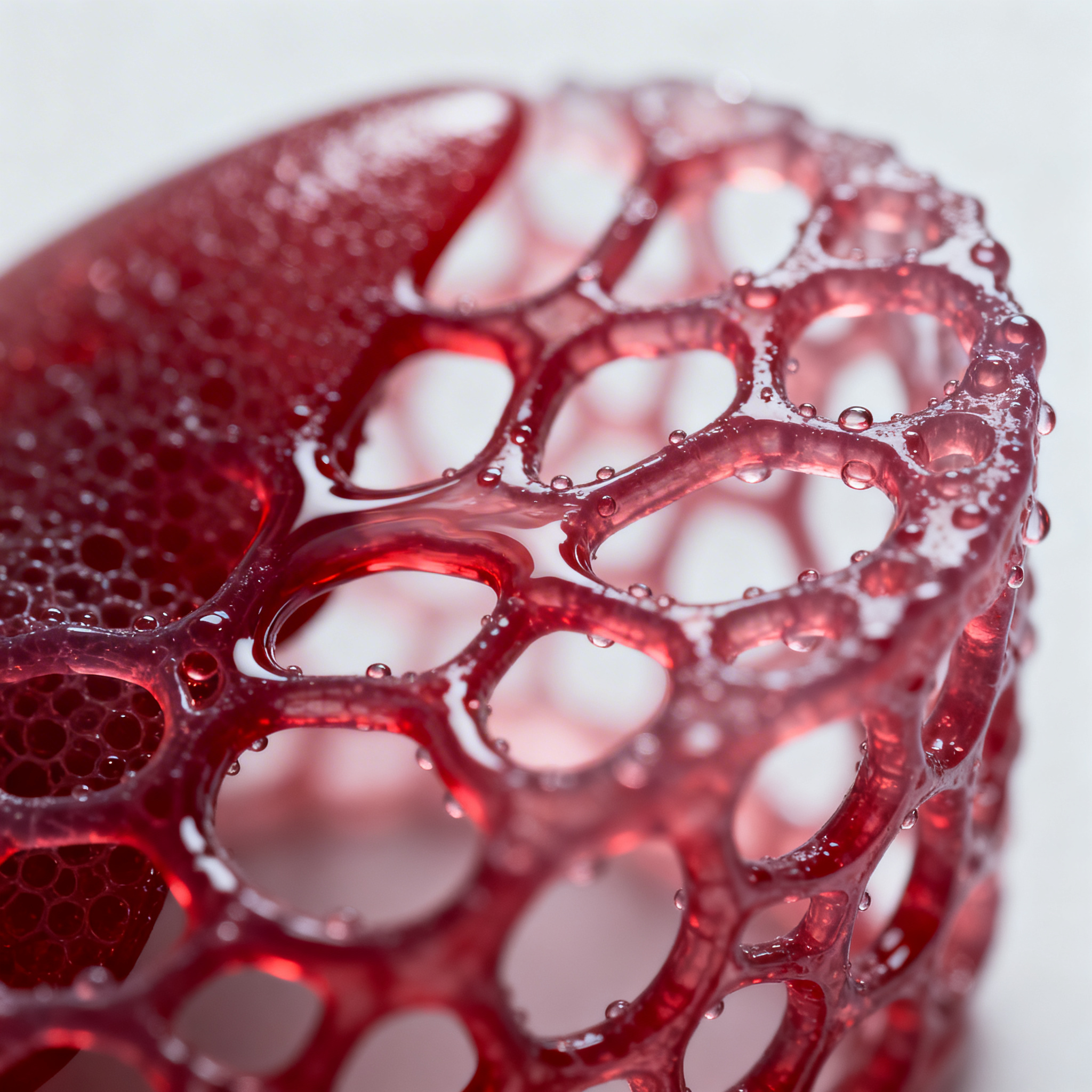
FRESH (Freeform Reversible Embedding of Suspended Hydrogels) allows for the extrusion of soft bioinks – collagen and human cells – inside a thermoreversible support hydrogel, preventing the collapse of vascular architectures. The complementary 3D Ice Platforms use controlled freezing to create scaffolds with calibrated porosity, essential for cell survival and nutrient flow. The final tissue is composed exclusively of human cells and proteins, without synthetic components that can trigger inflammation or rejection.
To bypass the immune response, hypoimmune cells are used, genetically modified to act as “universal donors,” compatible with any patient and without immunosuppressants.
From the lab to the patient's bedside: the clinical pathway
Tissues undergo rigorous preclinical testing; the goal is to bring adult-sized bioengineered livers into trials within five years.
The project involves the University of Washington, Mayo Clinic, and the startup FluidForm Bio. The liver is an extensive and vascularized organ: reproducing its complexity remains a challenge, but recent advances in liver modeling make the investment particularly timely. LIVE is part of the ARPA-H PRINT (Personalized Regenerative Immunocompetent Nanotechnology Tissue) program, which funds similar initiatives at Wake Forest, Harvard, and UC San Diego, creating a network of expertise capable of accelerating clinical translation.
Potential impact on liver transplants
A safe and scalable “biological bridge” could transform the management of acute liver failure and reduce the demand for donated organs.
Thousands of patients die each year waiting for a liver. A temporary but effective solution would free up organs for those suffering from irreversible chronic diseases. The same biofabrication platforms are also potentially adaptable to the heart, pancreas, and kidneys, paving the way for a cross-sectional reduction in waiting lists. Researchers are already discussing the commercialization of the technologies: if bioprinted organs reach the clinic likely after 2035, focused initiatives like ARPA-H are nonetheless creating a motivated community with a clear and shared goal.
With LIVE, medicine is moving closer to a temporary but clinically relevant solution for acute liver failure. The combination of FRESH, 3D Ice Platforms, and hypoimmune cells opens up therapeutic scenarios that were unthinkable until yesterday. Following the project's evolution means witnessing the redefinition of the future of regenerative medicine.
article written with the help of artificial intelligence systems
Q&A
- What is the main objective of the LIVE project funded by ARPA-H?
- Create a bioprinted liver tissue to be implanted temporarily, which acts as a ‘biological bridge’ to allow the patient's natural liver to regenerate autonomously, avoiding transplantation.
- How long does the bioprinted tissue support last and why is this timeframe sufficient?
- Two to four weeks, a period considered adequate because the human liver, if supported, can initiate and complete its spontaneous regeneration.
- What bioprinting technologies are used to print the liver tissue?
- The FRESH (Freeform Reversible Embedding of Suspended Hydrogels) and 3D Ice platforms: the first extrudes bio-inks of collagen and cells into thermoreversible hydrogel, the second uses controlled freezing to create porous scaffolds.
- How is immunological rejection of the bioprinted tissue avoided?
- Hypoimmunogenic human cells are used, genetically modified to behave as ‘universal donors’, eliminating the need for immunosuppressants.
- By when does the team expect to start clinical trials on patients?
- The goal is to bring adult-sized bioengineered livers into clinical trials within five years, after completing preclinical tests.
- What other organs could benefit from the same biofabrication platforms?
- Heart, pancreas and kidneys, since FRESH and 3D Ice technologies are adaptable to the creation of vascularized tissues for various regenerative applications.