
New desktop and industrial 3D printers revolutionize additive manufacturing in 2026
The 3D printing market is undergoing a radical transformation: innovations will break down barriers between desktop and industry, lowering costs and integrating automation and connectivity for Industry 4.0.
Innovations in high-end desktop 3D printers
The desktop segment embraces technologies once exclusive to industry. Loopzizo has launched a desktop SLS for under $10,000, democratizing selective laser sintering. Gauss proposes the MT90, a desktop metal printer that uses “metal ink” cartridges costing $150, eliminating powders and complex safety requirements and making metal printing office-compatible.
Automation and Industry 4.0 integration in industrial printers
Industrial machines integrate connectivity and monitoring for Industry 4.0. 3DGence, active since 2014, has developed the CLOUD ecosystem: it allows starting, deleting or queuing prints remotely, offers real-time video feed, statistics and direct assistance, reducing downtime. The INDUSTRY F421 and F350 reach 400 mm/s printing and 1 m/s movement with dual extrusion; they are produced in proprietary facilities for constant quality.
Advanced materials and impact on performance
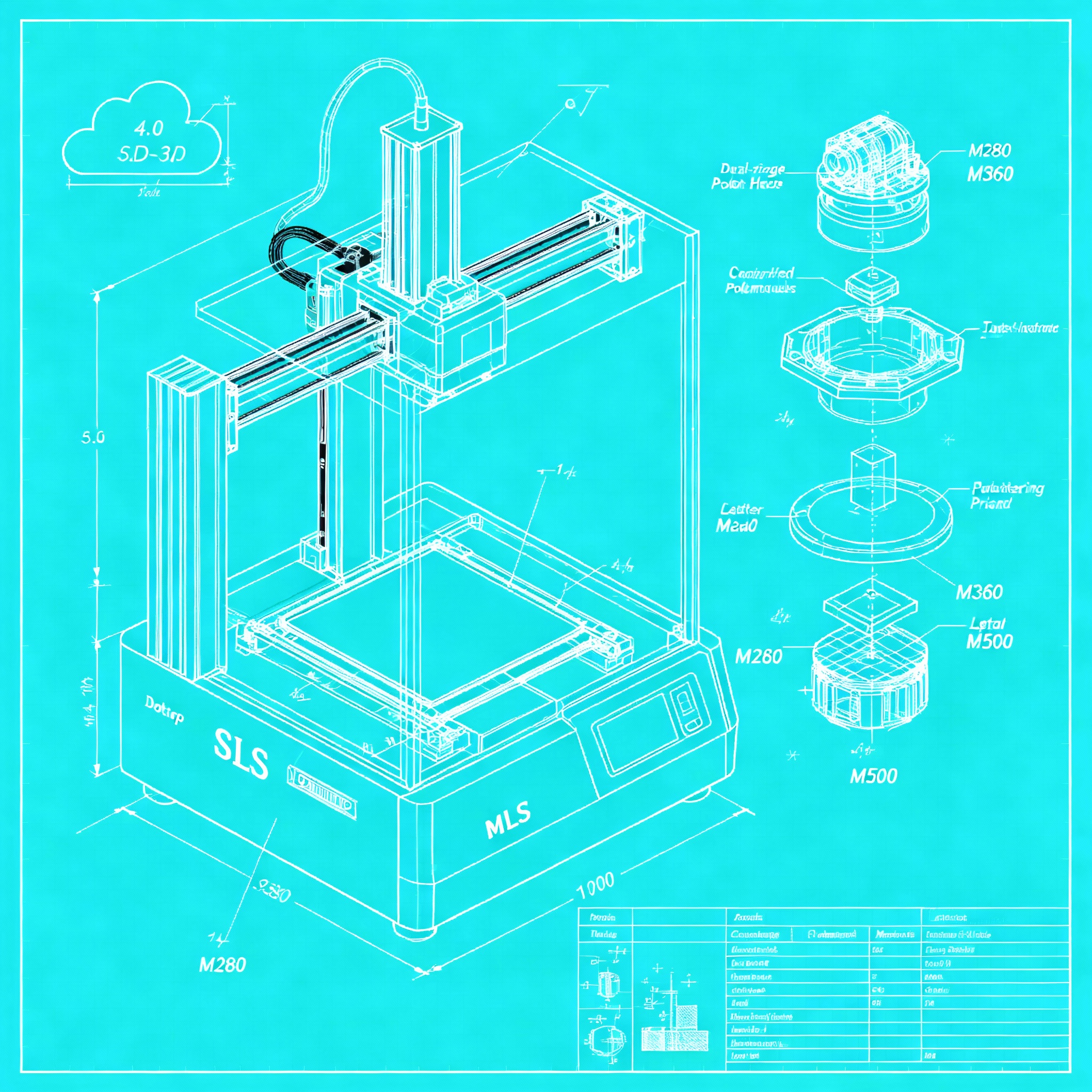
Interchangeable modules expand the range of polymers: M280 for PLA, ABS, ASA, PA6; M360 for PC, PEKK-CF, ULTEM 9085™; M500 for PEEK and VICTREX AM™ 200. A single platform covers prototyping and critical parts. The SLICER 4.0 software integrates a certified materials database for optimized profiles, reducing waste and setup times.
Cost-benefit comparison between desktop and industrial
The new desktop SLS cuts 90% of the investment compared to industrial solutions. The MT90 eliminates hidden costs for ventilation, PPE, safety and powder disposal. 3DGence solutions, while more expensive initially, offer speed, reliability and integration with production systems, optimizing usage and reducing downtime in serial production.
Future perspectives for 3D printing in manufacturing
2026 is the turning point: falling costs on advanced desktops and growing industrial sophistication open up opportunities for businesses of every size. The elimination of technical and economic barriers, with the integration of Industry 4.0, transforms additive production from a niche to a mainstream tool, making mass customization and distributed production a reality.
article written with the help of artificial intelligence systems
Q&A
- What is the main novelty introduced by Loopzizo in the desktop segment?
- Loopzizo launched a desktop SLS printer for under €10,000, making selective laser sintering accessible, a technology previously reserved for industry.
- How does Gauss's MT90 simplify metal printing in an office environment?
- The MT90 uses 150€ cartridges of “metallic ink,” eliminating powders, safety costs, ventilation, and disposal, making metal printing compatible with the office.
- What does the 3DGence CLOUD ecosystem offer to industrial printers?
- It allows remote start, deletion, or queuing of prints, real-time video feed, statistics, and direct assistance, reducing machine downtime.
- What materials can be processed with the M360 and M500 modules?
- The M360 module prints PC, PEKK-CF, and ULTEM 9085™; the M500 module prints PEEK and VICTREX AM™ 200, covering prototyping and critical parts on a single platform.
- How much is the investment reduced when moving from an industrial SLS to the new desktop?
- The new SLS desktop reduces investment by 90% compared to industrial solutions, lowering the economic barrier to advanced additive production.
- Why is 2026 considered the turning point for 3D printing?
- Falling costs on advanced desktops and growing industrial automation eliminate technical and economic barriers, transforming 3D printing from a niche to a mainstream tool for mass customization and distributed production.


