
The 3D revolution in luxury and automotive: technology redefining excellence
Introduction to 3D printing in the automotive industry
3D printing is radically transforming the automotive sector, shifting from prototyping to the production of functional components. Subaru of America has recently internalized the creation of tools and fixtures using additive manufacturing. The Japanese company, which markets hundreds of aftermarket accessories, has abandoned conventional methods, reducing production times and costs.
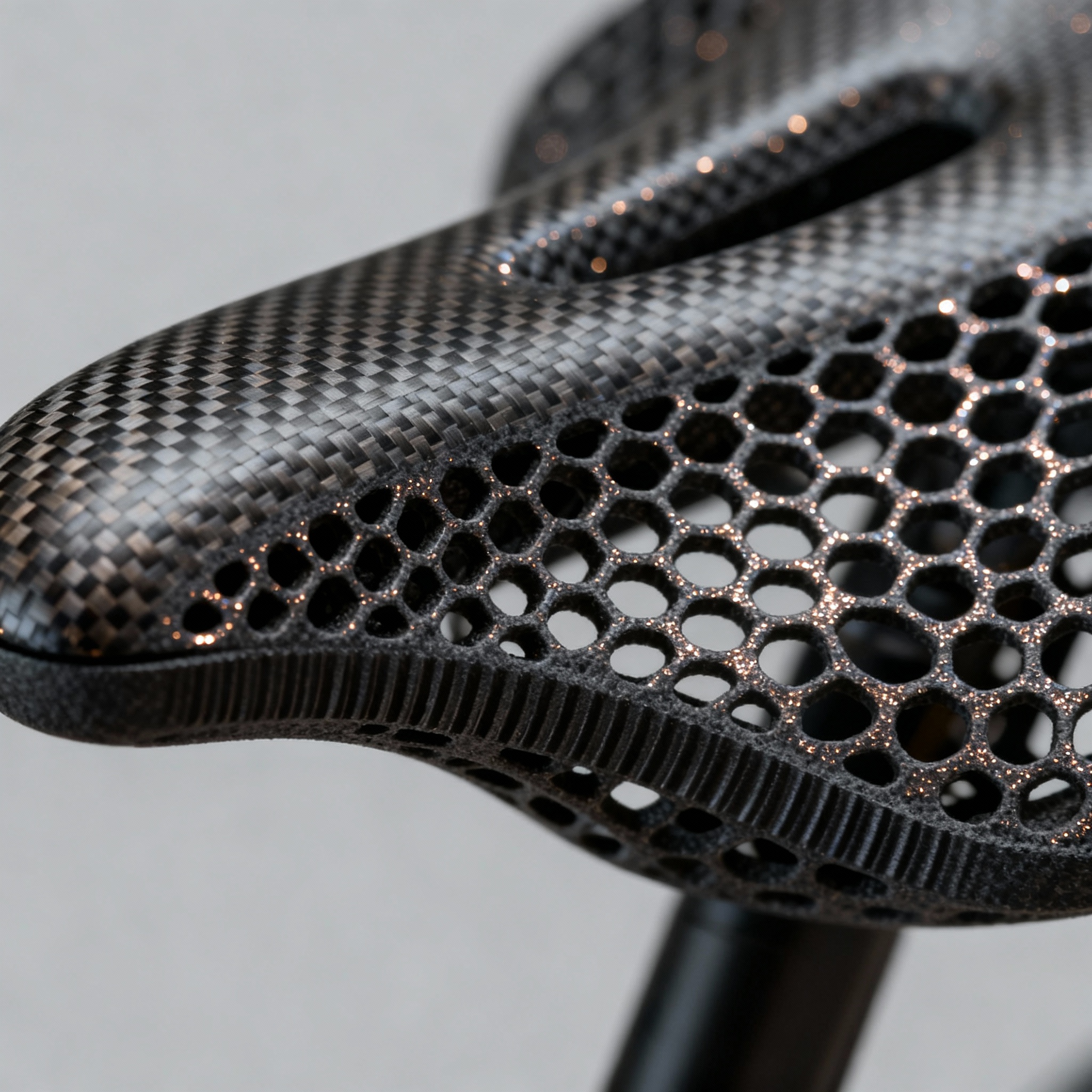
The transition allowed Subaru to adopt a just-in-time approach, achieving greater control and flexibility. In the cycling sector, the Dutch brand PRO launched the Stealth 3D saddle, which integrates 3D-printed parts to improve comfort and performance. The product weighs only 224 g and uses three mesh zones with differentiated densities to adapt to the cyclist's posture.
Applications of 3D printing in luxury goods
The luxury sector uses 3D printing to create distinctive elements that combine refined aesthetics and innovation. The Dutch studio RAP created the monumental installation Blue Voyage for the Jumeirah Marsa Al Arab in Dubai: two ceramic walls 6 m high and 9 m wide, composed of over 900 3D-printed and glazed tiles by Royal Tichelaar. The parametric design evokes the movement of waves and reflects light like water.
In luxury automotive, the Bentley Batur Convertible #4 mounts 3D-printed platinum components, demonstrating that additive manufacturing can also be used for high-level visible finishes.
Case studies: brands that have embraced the technology
The PRO Stealth 3D saddle is an example of extreme customization: designers analyzed pressure maps, postural studies, and user feedback to define three differentiated density zones. The high-density anterior zone supports the ischial bones in an aerodynamic position, while the central zone distributes weight in an upright position.
Subaru produces equipment, dies, and fixtures internally for accessory installation, eliminating external suppliers and reducing waste.
Benefits and challenges of additive manufacturing
The main benefits are reduced lead times, the ability to create geometries impossible with subtractive processes, and material optimization, which is deposited only where needed. However, component qualification requires validation of the entire chain: machine, material, post-production, and controls.
Environmental impact and sustainability
3D printing reduces waste compared to traditional machining and enables on-demand production, cutting down on inventory and transportation. The installation's ceramic Blue Voyage is durable and low-maintenance; the use of platinum in the Bentley optimizes the quantity of precious metal, minimizing waste.
Future perspectives and ongoing innovations
The Stealth 3D saddle paves the way for custom sports products; large-scale ceramic projects demonstrate the architectural potential of 3D printing. Subaru's internalization foreshadows the production of functional components for vehicles, while the use of precious materials in the luxury car promises exclusive and customized finishes.
Conclusion: a new paradigm for design and production
3D printing combines digital precision and artisanal exclusivity, redefining excellence in automotive, architecture, and sports. The convergence of computational design, advanced materials, and increasingly sophisticated technologies outlines a future where innovation, sustainability, and personalization will be the new standard.
article written with the help of artificial intelligence systems
Q&A
- How did Subaru change the production process for aftermarket accessory fixtures?
- They internalized additive manufacturing, abandoning external suppliers. This allows them to manufacture dies and fixtures in real-time, cutting costs and lead times, and adopting a just-in-time approach.
- What are the technical characteristics of the PRO Stealth 3D saddle and how does it improve cycling performance?
- It weighs 224 g and features three mesh zones with differentiated densities studied on pressure maps. The high-density front zone supports the ischial bones in an aerodynamic position, while the central zone distributes weight when the cyclist is upright.
- Why is the Blue Voyage installation in Dubai considered an example of sustainable luxury?
- The 6 m high ceramic walls, composed of over 900 3D-printed tiles, evoke the movement of water with a parametric design. The ceramic is durable and low-maintenance, reducing waste compared to traditional processing.
- How does Bentley demonstrate that 3D printing can be used for high-level visible finishes?
- The Batur Convertible #4 mounts 3D-printed platinum components, optimizing the use of precious metal and minimizing waste. This proves that additive manufacturing can be both aesthetic and functional simultaneously.
- What is the main challenge for qualifying a 3D-printed component in the automotive sector?
- It is necessary to validate the entire chain: machine, material, post-production, and controls. Only in this way is it guaranteed that the part meets the safety and performance standards required by the industry.


